IN Brief:
- Algyő combines a 37.4MWp photovoltaic plant with a 20MW/40MWh battery energy storage system.
- The solar plant and existing generation can cover the site’s electricity demand while storage provides controllable flexibility.
- MOL now operates 405MW of solar in Hungary and is targeting 500MWh of Hungarian storage capacity by 2030.
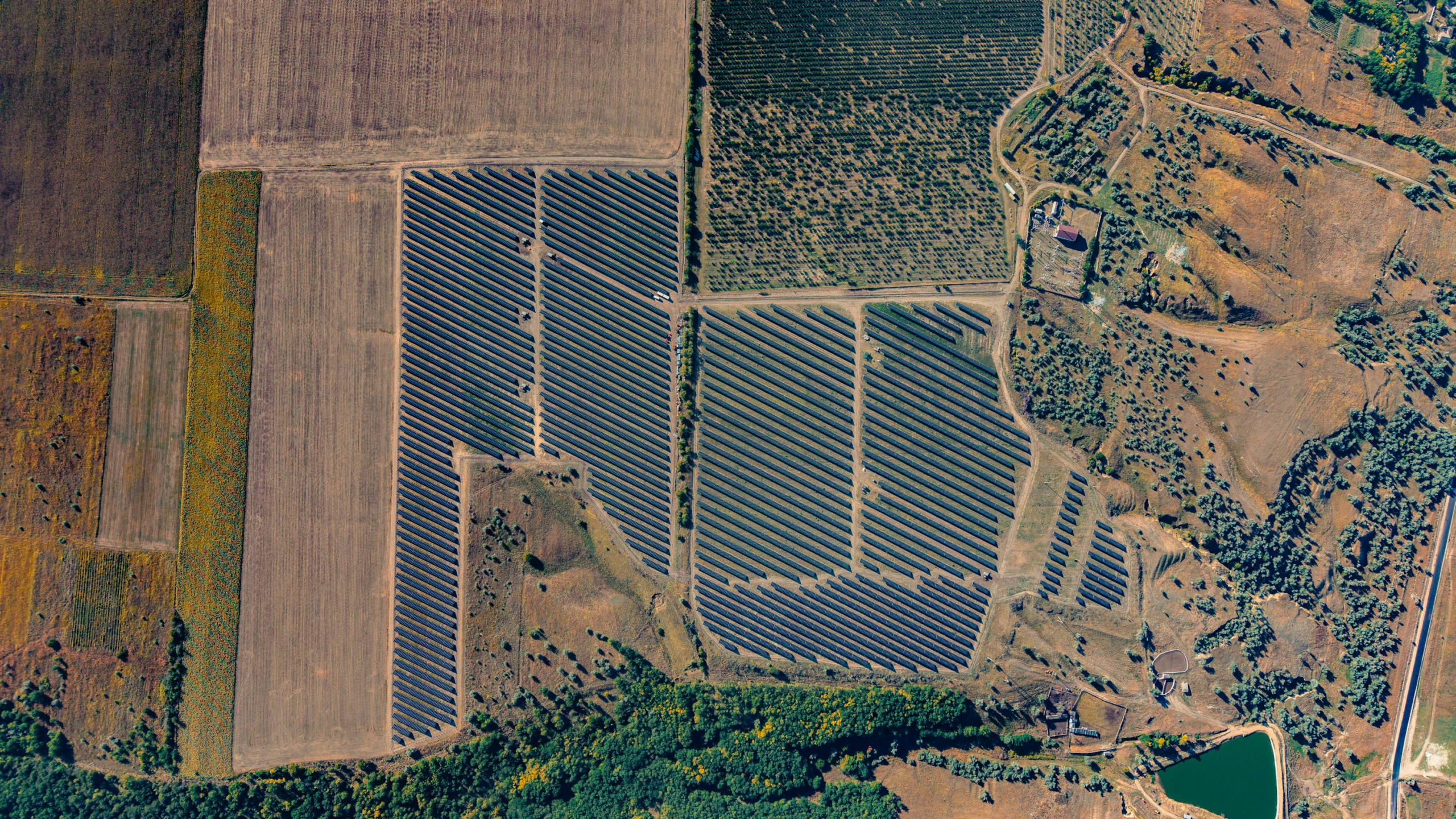
MOL Group has commissioned a 37.4MWp solar park and a 20MW/40MWh battery energy storage system at its Algyő site in Hungary, combining on-site renewable generation with two hours of nominal storage duration.
The new facilities add generation and flexibility at one of MOL’s long-established Hungarian operating sites. Together with existing power plants at Algyő, the solar installation is capable of covering the site’s electricity demand, reducing reliance on purchased power while the battery provides a controllable resource for managing variations in photovoltaic output and wider system conditions.
The solar plant has an installed capacity of 37.4MWp. MOL estimates its annual generation is equivalent to the yearly electricity consumption of around 22,500 households in Csongrád-Csanád County, while the combined solar and storage investment is expected to reduce the site’s carbon dioxide emissions by about 13,000 tonnes a year.
The battery has a nominal power rating of 20MW and an energy capacity of 40MWh. At those nameplate figures, it can sustain full rated output for approximately two hours before conversion losses, auxiliary demand, operating reserves and state-of-charge limits are taken into account. The duration gives the installation scope to support intraday energy shifting as well as faster balancing functions.
ALTEO constructed the solar park and may also provide aggregation services after completion. MOL and its partners hold a 73.8% interest in ALTEO, which operates renewable generation across wind, solar, hydro and biogas. The relationship gives the Algyő project a route to combine an industrial user’s on-site electricity needs with the operational capabilities required to participate in a more flexible power system.
Co-locating solar and storage changes the shape of electricity procurement at an industrial site rather than simply replacing one energy source with another. Photovoltaic output is concentrated around daylight hours and varies with weather, whereas process loads may continue across a broader daily operating profile. Storage can absorb part of the mismatch, charging when local generation is abundant and discharging when site demand or external electricity values are higher.
The battery can also support the national grid, according to MOL. That role will depend on the connection agreement, market access and control arrangements, but a grid-responsive BESS can potentially provide balancing services while continuing to support the host site. Operating strategy will determine how much stored energy is retained for internal requirements and how much capacity can be exposed to external market or system signals.
Those decisions become more complex as industrial companies build larger portfolios of self-generation. A solar plant can reduce imported electricity over the year while still leaving periods when the site draws heavily from the network. Without storage or other flexibility, strong midday generation can also create export peaks that are quite different from the plant’s evening or overnight demand profile.
A 20MW battery adds control because its power electronics can change electricity flow rapidly within inverter, protection and battery limits. The 40MWh energy capacity then determines how long that response can be sustained before the state of charge has to be restored.
Commissioning the BESS introduces equipment and control requirements that do not exist with a stand-alone photovoltaic array. Battery modules, power-conversion systems, transformers, switchgear, metering, communications, thermal management and fire detection all have to operate as an integrated installation. The energy-management system must coordinate the battery with solar output, site demand, grid constraints and any aggregation instructions without breaching equipment limits or compromising the industrial load.
Algyő forms part of a wider expansion of MOL’s renewable and storage portfolio. The company now operates nine solar parks in Hungary with combined capacity of 405MW and two electricity-storage facilities with 80MWh of total energy capacity. Across the wider region, its photovoltaic portfolio has reached 415MWp.
The company plans further growth. Its stated target is to install 500MWh of energy storage capacity in Hungary by 2030 while increasing the share of renewable electricity used across its own operations. MOL has previously indicated that its group-wide operations could consume around 2,500GWh of renewable electricity annually by 2030, creating a substantial internal demand base for new generation.
The Algyő installation combines generation, a two-hour battery, industrial demand and potential grid-service participation within one operating site. Its commercial value can therefore come from several routes: reduced purchased electricity, improved use of local solar production, balancing-service revenues and the timing of imports or exports.
With the plant commissioned, operating data will show how those functions are divided in practice. Solar yield, battery cycling, state-of-charge strategy, availability and participation in balancing services will determine whether MOL’s planned expansion towards 500MWh of Hungarian storage follows the same co-located industrial model.