IN Brief:
- Silkstead is a 50MW/200MWh battery project near Winchester, giving the asset a four-hour rated storage duration.
- Construction is scheduled for 2027 and commercial operation for 2028 following acquisition from Balanced Grid Works.
- The project joins Eelpower Energy’s £500 million GB battery platform, which targets more than 1GW of grid-scale capacity.
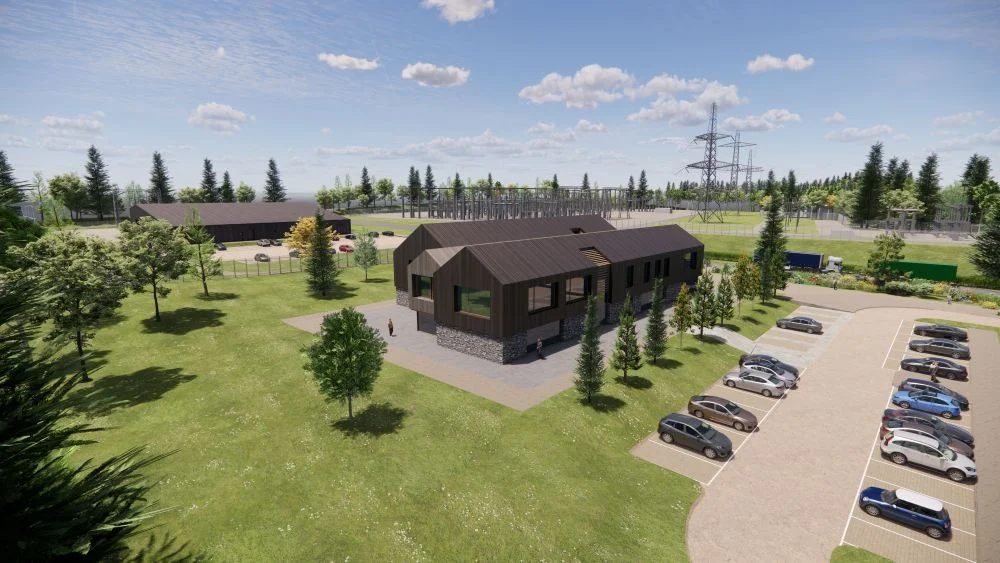
Eelpower Energy has acquired the 50MW/200MWh Silkstead battery energy storage project near Winchester from Balanced Grid Works, adding a four-hour asset to its growing Great Britain flexibility portfolio.
Silkstead is located south-east of Winchester substation and is scheduled to begin construction in 2027, with commercial operation expected in 2028. At its stated 50MW power rating and 200MWh energy capacity, the battery could discharge at full rated output for approximately four hours before requiring recharge.
The transaction is Eelpower Energy’s fifth asset acquisition since the platform was established in 2025. The business is backed through a consortium led by Equitix with Aware Super and the National Wealth Fund, which created the platform with plans to invest £500 million in grid-scale battery storage across Great Britain.
Eelpower Energy’s original investment programme targeted more than 1GW of new battery capacity. Silkstead adds to that pipeline while also increasing average storage duration, a distinction that becomes more important as developers assess how much stored energy should sit behind each megawatt of grid connection.
A four-hour battery has different operating possibilities from a two-hour system with the same power rating. A 50MW/200MWh asset can sustain maximum export for twice as long as a 50MW/100MWh installation, allowing a larger block of energy to be shifted between charging and discharging periods.
That does not determine how Silkstead will be traded once operational. Modern batteries can participate in wholesale markets, balancing services, ancillary products, and capacity arrangements, with operators continuously deciding how much state of charge to reserve for different opportunities.
The optimisation is constrained by physical limits. Every charge and discharge cycle creates losses and contributes to cell degradation, while warranties can limit operating temperature, depth of discharge, cycling frequency, and other parameters. Revenue decisions therefore have to account for both the immediate value of electricity and the long-term cost of using the battery.
Four-hour duration can be useful where renewable surpluses and demand peaks are separated by several hours. A longer-duration asset can spread its discharge across an evening period rather than committing most of its stored energy to a short event, while still retaining some capacity for balancing or other services if its operating strategy allows.
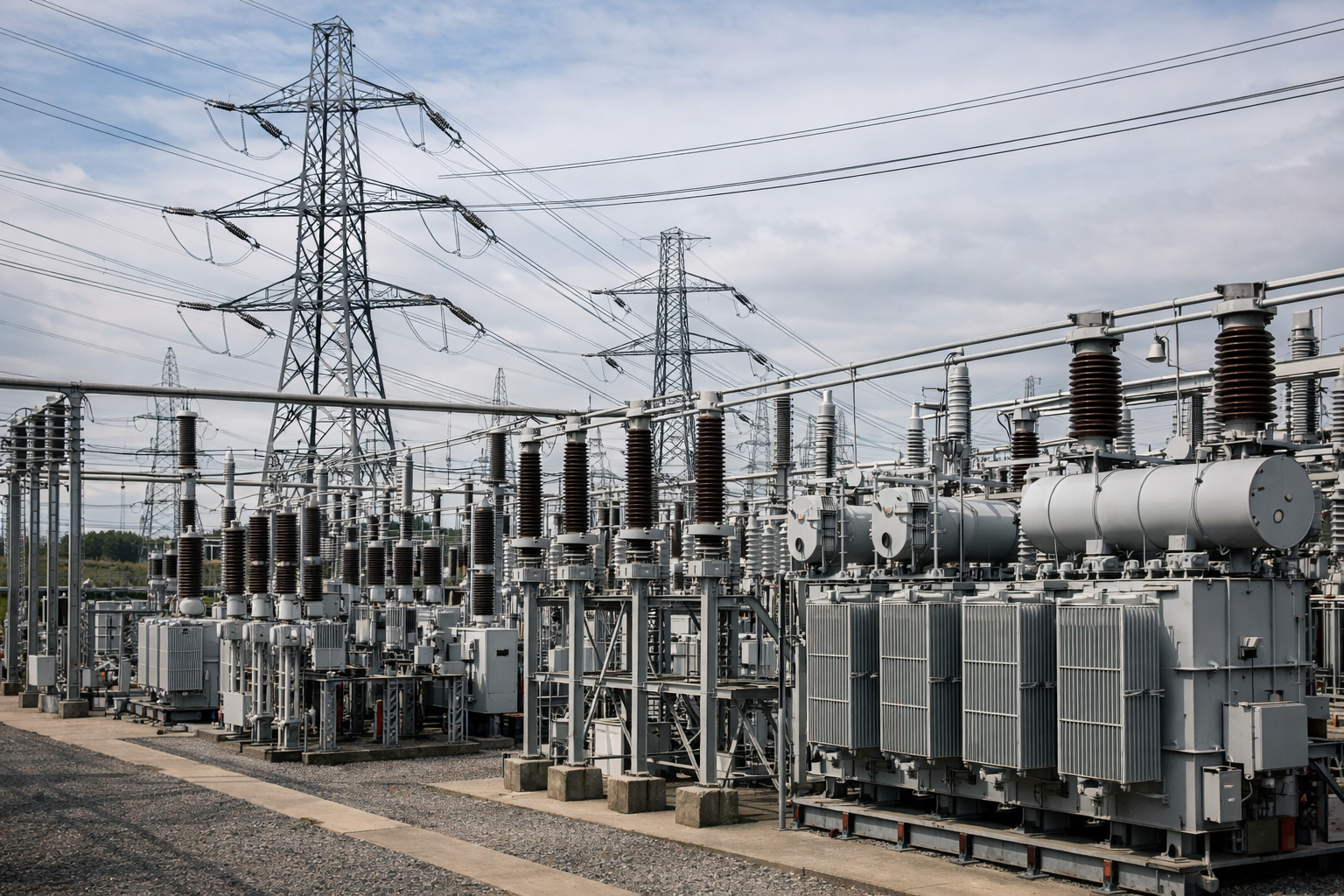
Grid location remains just as important as duration. Silkstead’s position near Winchester substation provides a defined interface with the electricity network, but the commercial value of that position will depend on its import and export rights, connection conditions, and any operational restrictions applying to the site.
Battery projects impose load on a network in both directions. During charging, Silkstead will act as a 50MW-class demand source; during discharge, it becomes generation at the same connection. Fault levels, voltage performance, harmonics, protection coordination, inverter controls, and network constraints therefore have to be assessed for both modes.
The acquisition follows Eelpower Energy’s earlier purchase of the 50MW/100MWh Stoneworthy project in Devon. Stoneworthy has the same nominal power rating but half the energy capacity, giving the two projects different rated durations despite similar grid-scale power.
That variation reflects a GB market in which battery design is becoming less uniform. Early deployment was dominated by shorter-duration systems built around frequency response and balancing opportunities, while newer projects increasingly have to consider wholesale price spreads, renewable curtailment, grid constraints, and longer operating windows.
Silkstead will also require a larger quantity of battery cells and associated balance-of-plant equipment than a two-hour project at the same megawatt rating. Power conversion equipment may still be sized around the 50MW connection, but the 200MWh energy requirement increases the amount of battery hardware, thermal management, fire-protection equipment, auxiliary systems, and physical space required.
Procurement and commissioning have to bring those systems together with transformers, switchgear, control equipment, energy-management software, and the grid connection. The battery modules themselves are only one part of a plant whose operating performance depends on how effectively the electrical and control systems are integrated.
The project remains some distance from energisation. Construction is not scheduled to begin until 2027, leaving contracting, detailed design, equipment selection, final delivery planning, and commissioning ahead before the 2028 commercial-operation target can be reached.
Eelpower’s £500 million platform provides capital for that build-out, but acquiring projects and operating batteries are different stages of the business. The portfolio will ultimately be judged by assets that reach financial close, connect on schedule, and produce enough value from the GB flexibility market to support their longer-term operating costs.
Silkstead adds 200MWh to that prospective fleet and doubles the duration of the company’s earlier Stoneworthy acquisition. Its progress through construction will provide another indication of how quickly four-hour storage is moving from the development pipeline into the operating GB power system.