IN Brief:
- Cernavodă Unit 1 is being prepared for an additional 30 years of operation within Romania’s existing nuclear generating fleet.
- ABB will replace distributed control infrastructure and deliver shutdown, cybersecurity, and standby diesel control functions.
- The project must integrate modern digital automation with hardwired nuclear safety functions and existing plant systems.
ABB has been awarded a contract by Ansaldo Nucleare to modernise control and safety systems at Unit 1 of Romania’s Cernavodă nuclear power plant, supporting the refurbishment programme intended to extend the reactor’s operating life by another 30 years.
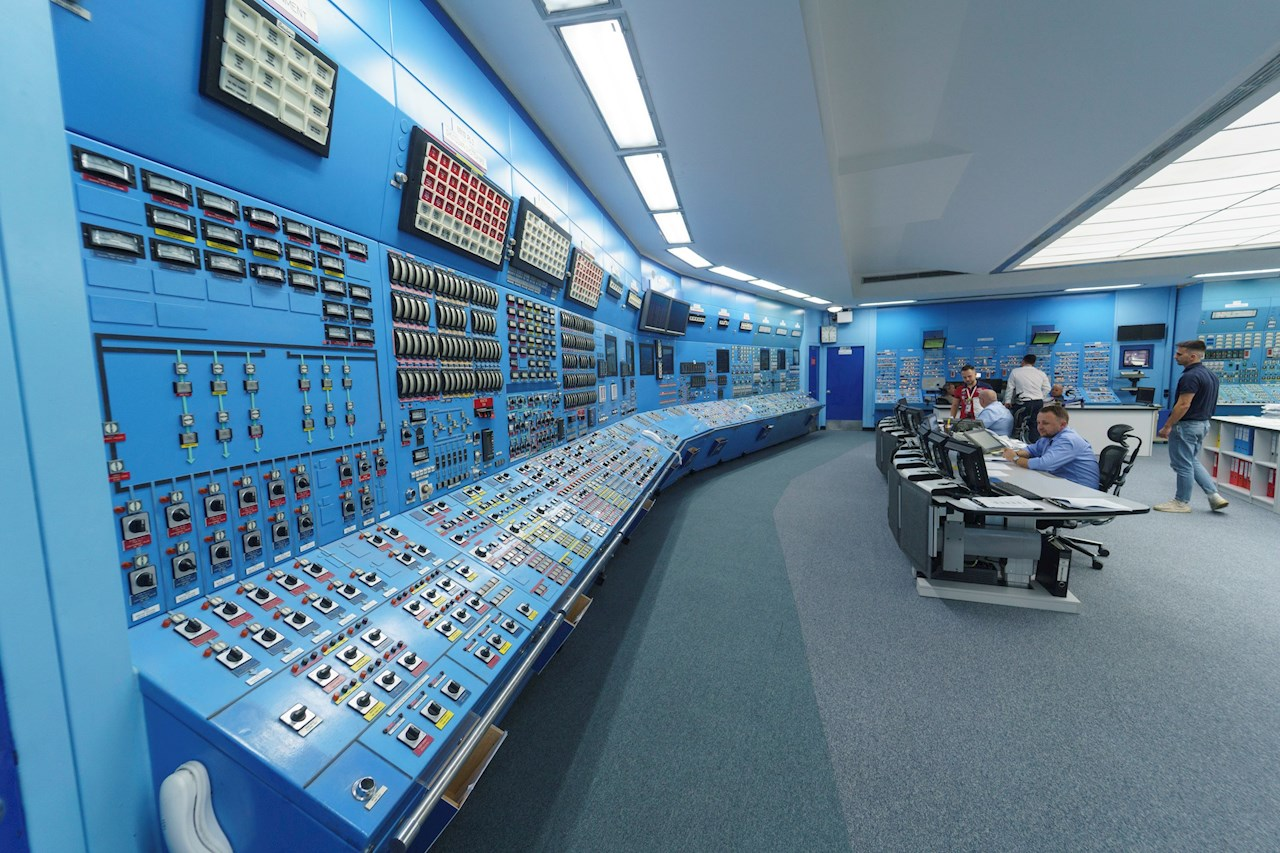
The scope centres on ABB Ability System 800xA, which will replace existing distributed control infrastructure and provide a new centralised platform for plant monitoring and control. ABB will also deliver emergency shutdown functions covering Category B and C systems, cybersecurity engineering and testing, and Category A functions for standby diesel generators using a combination of conventional hardwired equipment.
Cernavodă is Romania’s only nuclear power station and operates two CANDU-6 units. Unit 1 has been in operation since 1996 and Unit 2 since 2007, while ABB systems have operated on Unit 2 since its commissioning. Together, the two reactors provide around 18% to 20% of Romania’s electricity generation.
The control-system contract sits inside a wider life-extension programme rather than a standalone automation upgrade. Extending a nuclear unit by three decades requires mechanical, electrical, civil, instrumentation, control, safety, and licensing work to be treated as parts of one operating case, because replacing one system can alter interfaces and assumptions elsewhere in the plant.
Digital migration is particularly sensitive where safety classifications differ between systems. A distributed control platform can improve central monitoring, diagnostics, and configuration management, but shutdown functions and standby power arrangements still have to maintain the independence, determinism, and qualification expected of nuclear safety systems.
ABB’s inclusion of conventional hardwired Category A functions reflects that distinction. The project is not replacing every legacy function with a single software-based architecture; it is combining digital control with hardwired arrangements where the safety design requires a different level of independence or a separate qualification route.
Migration planning will therefore be as important as the final hardware specification. Existing equipment has to remain understood and controlled while new cabinets, networks, operator interfaces, logic, and field connections are installed and tested. Interfaces with systems that remain in service must be documented precisely, because a modernised control platform can only improve reliability if the transition does not introduce configuration errors or hidden dependencies.
Cybersecurity is also part of the engineering scope rather than a separate information-technology exercise. Modern control systems depend on digital communications, engineering workstations, software configuration, diagnostics, and data exchange, while nuclear operating environments impose strict controls on access and change management. Building security requirements into design, testing, and commissioning reduces the risk of leaving them until after system integration.
The standby diesel scope has a similarly direct relationship with plant resilience. Emergency generators provide an independent source of electrical power when normal supplies are unavailable, so their controls have to start, synchronise where required, and support safety-related loads within defined conditions. Altering those controls requires rigorous testing because the equipment is expected to function during events when other parts of the electrical system may already be impaired.
ABB’s previous experience at Unit 2 gives the supplier an operating reference at Cernavodă, although Unit 1 still requires its own design, qualification, installation, and acceptance process. The existing Unit 2 installation also gives the operator a basis for comparing maintenance, spare parts, training, and lifecycle support across the two units as the refurbishment progresses.
The wider programme is intended to preserve a major block of low-carbon, dispatchable generation in the Romanian system. Keeping Unit 1 available for another 30 years avoids treating the reactor’s original design life as an automatic retirement date, but life extension depends on evidence that ageing systems can either continue to perform or be replaced within the plant’s updated safety case.
Control and instrumentation are central to that evidence because operators rely on them to detect plant conditions, execute automatic responses, and manage equipment through normal operation, transients, and shutdown states. Ageing electronics, obsolete components, and reduced vendor support can become operational risks even when major mechanical systems remain serviceable.
The modernisation therefore has to do more than reproduce old functions on newer equipment. It must preserve validated safety behaviour while improving maintainability, cybersecurity, diagnostics, and long-term support, all without creating unnecessary complexity for operators who will work with the plant for decades after the refurbishment.
Cernavodă Unit 1 will ultimately be judged as an integrated life-extension project rather than a collection of replacement contracts. ABB’s package places the control, shutdown, standby power, and cybersecurity layers inside that programme, where their commissioning will have to demonstrate that modern digital systems and conventional nuclear safety architecture can operate together for the reactor’s next planned cycle.