IN Brief:
- Aukera has secured financing for the second 100MW/200MWh phase of its Gura Ialomitei battery project.
- ENEVO and Kraftfeld are preparing a 110MW/220MWh turnkey system with a high-voltage substation.
- PPC Renewables is developing a 40.08MW/80.16MWh battery within its Corugea wind farm.
Aukera has secured €48.5 million to finance the second phase of its Gura Ialomitei battery energy storage system, as Romania’s rapidly expanding project pipeline begins moving from development into full-scale construction and operation.
The financed phase will add 100MW of power and 200MWh of energy capacity, following the first 150MW/300MWh section, which entered operation in June 2026. Once completed, the combined installation will provide 250MW/500MWh and rank among the larger battery sites operating in Central and Eastern Europe.
Construction of the remaining section is expected to support completion in early 2027, while the financing package provides a clearer route through equipment procurement, civil works, connection delivery, and commissioning. At this scale, the project extends well beyond battery-container supply and becomes a substantial high-voltage infrastructure programme.
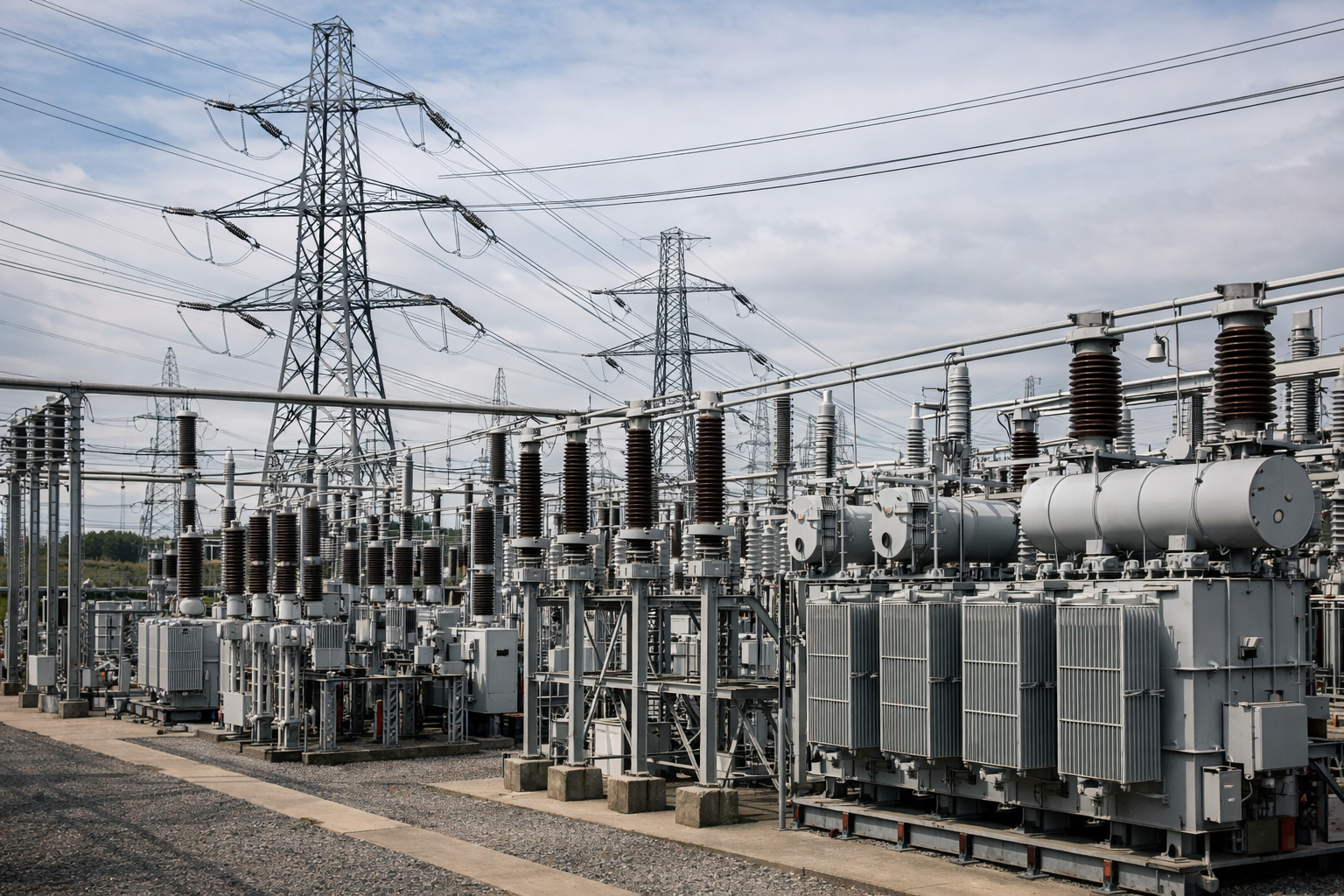
Elsewhere in the country, ENEVO Group and Kraftfeld Energy are progressing a 110MW/220MWh project at Drăgănești-Olt. ENEVO’s turnkey scope includes the storage equipment, electrical works, grid connection, and associated high-voltage substation.
Construction is scheduled to begin during the third quarter of 2026, with commercial operation targeted for early 2027. The project follows the companies’ earlier development work on the Drăgănești-Olt battery and connection scheme, which established the planned capacity and delivery structure.
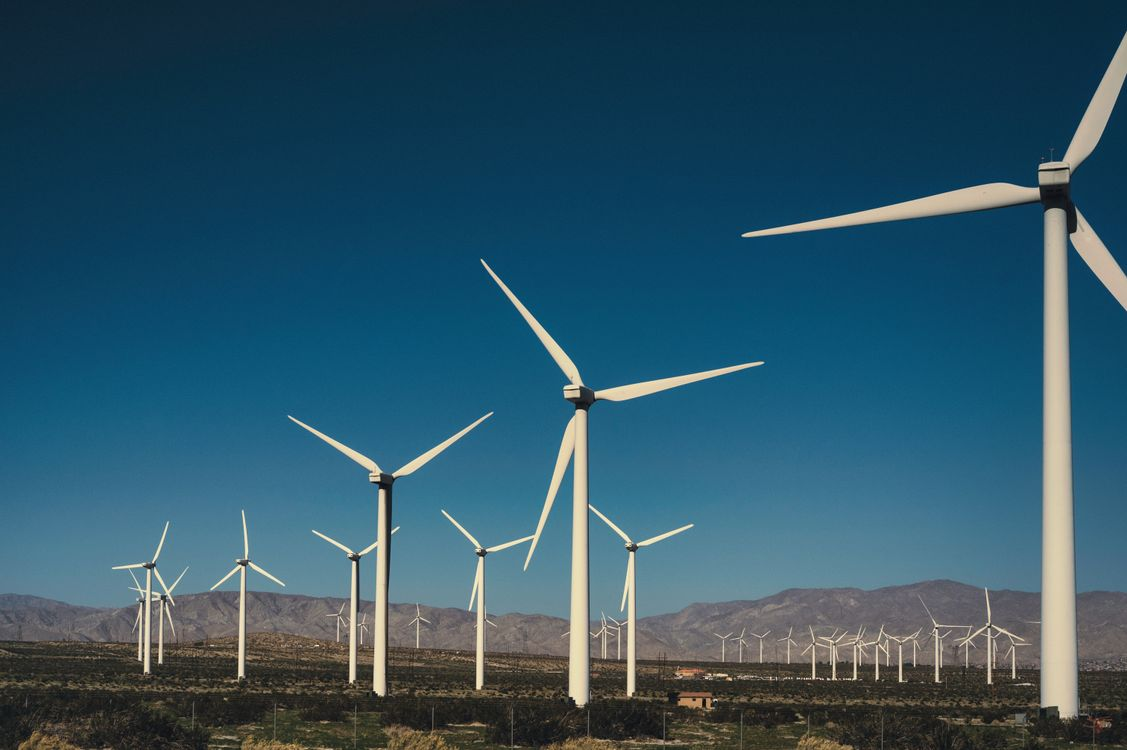
A third development, led by PPC Renewables, will add 40.08MW/80.16MWh of storage at the Corugea wind farm. The existing 70MW generating site contains 35 turbines and produces approximately 190,000MWh annually.
Alongside battery enclosures and power-conversion equipment, the Corugea scope includes monitoring, lighting, safety systems, civil works, auxiliary supplies, and the electrical interfaces needed to operate storage within an active wind plant. The investment is valued at approximately RON87.4 million and is supported by the EU Modernisation Fund.
High-voltage infrastructure moves to the centre
Although the projects differ in ownership, financing, and generation context, each depends on the same core disciplines: transformers, switchgear, protection, cabling, earthing, communications, supervisory control, fire detection, thermal management, and commissioning. Battery modules account for only one portion of the completed asset.
Large installations require detailed studies of fault levels, harmonics, voltage behaviour, active and reactive power capability, and interaction with other inverter-connected resources. Where a new high-voltage substation is required, as at Drăgănești-Olt, the connection programme can become as significant as the battery procurement itself.
Romania’s expansion of photovoltaic capacity has increased the volume of electricity produced around the middle of the day, when solar generation is strongest. That pattern can depress daytime wholesale prices while creating a steeper transition into evening demand as photovoltaic output falls.
Storage can absorb part of the midday surplus and return it during tighter system conditions, while retaining capacity for balancing, reserve, frequency response, or congestion management. The operating strategy will vary from hour to hour as prices, network conditions, state of charge, and contracted service obligations change.
Recent adjustments to Romanian connection and tariff arrangements have improved the commercial position of storage and hybrid assets. Removing duplicate network charges and simplifying the treatment of projects that both import and export electricity reduces structural costs that previously weakened the business case.
Scale sharpens procurement and safety pressures
With several large projects advancing on overlapping schedules, equipment availability will become increasingly important. Battery cells, power-conversion systems, medium-voltage equipment, transformers, control panels, and high-voltage switchgear must arrive in a sequence that matches civil construction and network-access programmes.
Manufacturers are also being asked to provide longer warranties and more precise guarantees covering capacity retention, degradation, efficiency, auxiliary consumption, and operational availability. Those guarantees depend on the actual duty cycle, ambient conditions, temperature management, and the frequency with which the asset moves between high-power and high-energy operation.
Safety design grows more demanding as installations move into hundreds of megawatt-hours. Site layouts must provide suitable separation, emergency access, drainage, detection, isolation, ventilation, and cooling, while limiting the possibility that an incident within one enclosure could propagate through an adjoining block.
Fire-service procedures, remote shutdown, gas monitoring, and the availability of accurate state information must be established before energisation. Because battery chemistry, enclosure construction, and suppression approaches differ between suppliers, emergency planning cannot rely on a single generic response.
Commercial dispatch adds another layer of complexity. Repeatedly following short-term wholesale price movements may increase cycling and degradation, while holding capacity for ancillary services reduces the energy available for arbitrage. Asset-management systems must optimise revenue without breaching warranty limits, network constraints, or reserve commitments.
Forecasting will become especially important where batteries share a connection with wind or solar generation. The plant controller must manage combined import and export limits, prevent congestion behind the point of connection, and determine whether renewable output should be exported immediately, stored, or curtailed.
Romania’s storage pipeline is consequently developing as a programme of substations, controls, and network integration as much as a market for battery cells. Each project creates substantial demand for protection engineering, cable installation, commissioning, communications, and long-term asset maintenance.
Gura Ialomitei, Drăgănești-Olt, and Corugea demonstrate that the country has moved beyond small demonstration schemes. Delivering them successfully will depend on synchronising battery supply with high-voltage works, grid access, market readiness, and operating controls capable of managing several revenue streams without compromising electrical performance.