
IN Brief:
- Nexans and Hydro have agreed a five-year supply deal for about 85,000 tonnes of low-carbon aluminium wire rod.
- The material will support European medium-voltage grids, overhead transmission lines, and subsea high-voltage cable systems.
- Long-term conductor sourcing is becoming more important as grid modernisation accelerates across Europe.
Nexans has signed a five-year agreement with Hydro for the supply of approximately 85,000 tonnes of low-carbon aluminium wire rod, strengthening the material base behind European grid cable production.
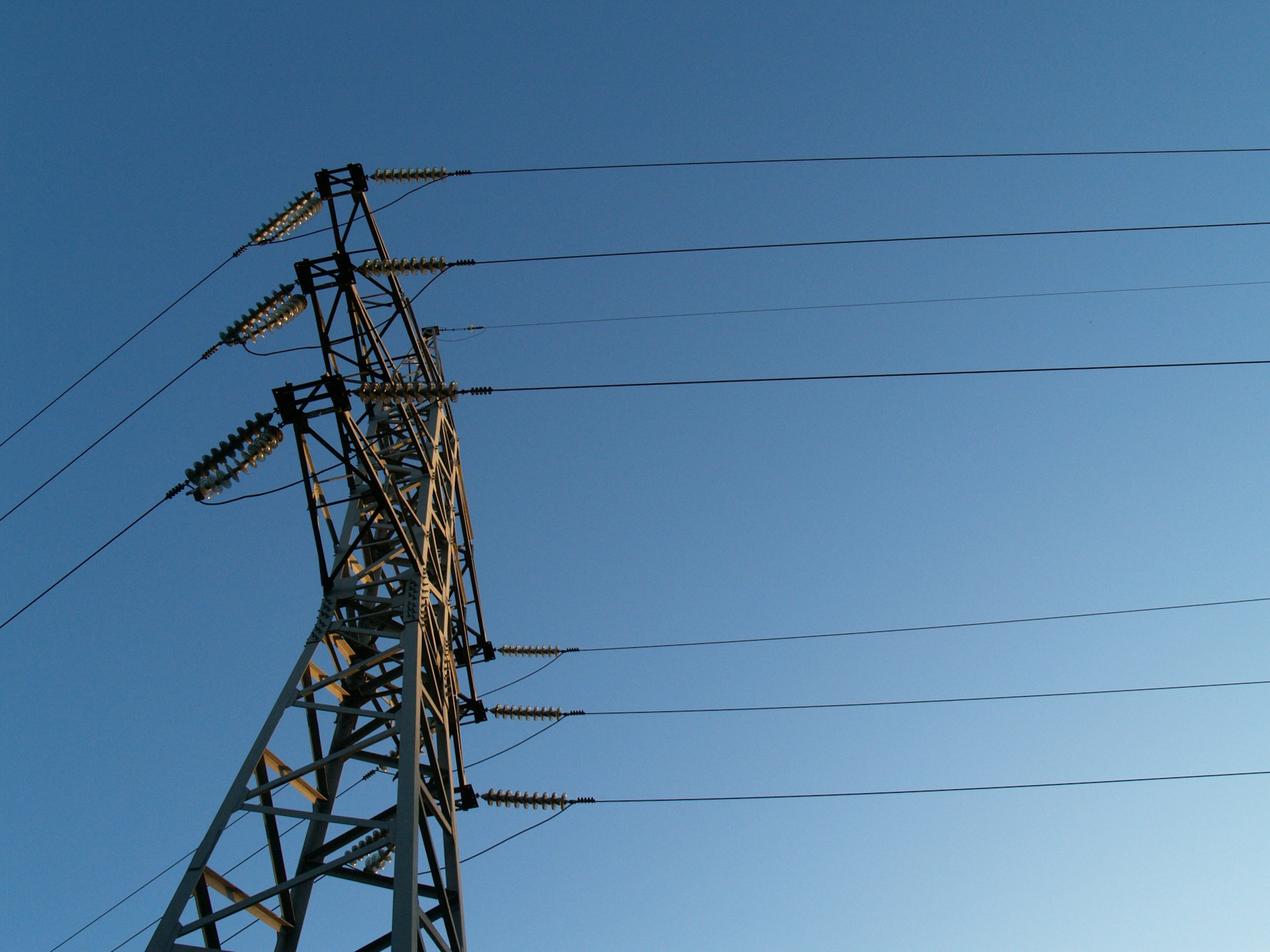
The aluminium will be used across Nexans’ European operations in power cable solutions for medium-voltage distribution grids, overhead transmission lines, and subsea high-voltage infrastructure. Hydro will supply its REDUXA low-carbon aluminium, produced in Norway using renewable energy, with a verified carbon footprint below 4.0kg CO2 per kg of aluminium.
Running to 2030, the agreement provides longer-term visibility over conductor supply at a point when electricity network investment is rising across Europe. Grid reinforcement, renewable energy connections, offshore wind export systems, interconnectors, and industrial electrification are all increasing demand for cable systems, accessories, installation capability, and manufacturing capacity.
For cable manufacturers, product specification now sits alongside material availability, traceability, carbon intensity, and delivery confidence. Electricity infrastructure is built for long asset lives, while procurement decisions are increasingly being shaped by short-term pressure on metals, energy costs, factory capacity, and public-sector carbon expectations.
The agreement follows Nexans’ wider concentration on electrification, including its planned Republic Wire acquisition in the US low-voltage cable market. Together, the supply agreement and acquisition activity show how cable manufacturers are building both regional production depth and more secure raw-material channels around expanding electrical infrastructure demand.
Aluminium has a specific role in that transition. Copper remains essential across many electrical applications, particularly where compactness, conductivity, and established system design are decisive. Aluminium is widely used where lower weight, cost, and mechanical characteristics suit overhead lines, larger cable systems, and selected grid applications. As network programmes expand, the balance between material performance, price volatility, embodied carbon, and supply security becomes more visible in project planning.
European grid investment is moving into a more equipment-constrained phase. Transmission system operators are planning larger offshore connections, higher-capacity substations, cross-border links, and reinforced inland corridors, while distribution networks prepare for heat pumps, EV charging, solar PV, battery storage, and industrial load growth. Those programmes depend on cables, transformers, switchgear, protection equipment, civil works, and engineering capacity arriving in sequence.
Long-term material agreements reduce one area of delivery risk, even though they cannot remove planning delays, connection queues, or shortages of specialist installation capability. For manufacturers, stronger visibility over conductor supply can support production planning and customer commitments. For network owners and project developers, secured material streams can help reduce exposure to procurement bottlenecks that increasingly affect grid delivery timetables.
The carbon profile of grid materials is also becoming harder to treat as a secondary consideration. Network expansion is essential to decarbonisation, but the infrastructure itself carries embedded emissions from metals, concrete, logistics, installation, and maintenance. Lower-carbon aluminium does not remove that footprint, although it can reduce emissions associated with high-volume conductor material where the product meets technical and operational requirements.
Traceability is likely to become more valuable as public procurement, regulated utility investment, and corporate infrastructure projects move closer to whole-life carbon assessment. Grid assets are not fast-cycle products. The materials installed in overhead lines, distribution networks, and subsea cable systems can remain in service for decades, placing greater weight on the original material selection.
The Nexans-Hydro agreement sits at the intersection of electrification demand, industrial supply security, and infrastructure carbon. Europe’s grid build-out will depend on steel, aluminium, copper, power electronics, cable systems, vessels, ports, substations, and skilled labour moving together. Securing conductor supply does not complete that chain, but it gives one of the most fundamental components of grid delivery a firmer industrial footing.

