IN Brief:
- SmartestEnergy and OnPath Energy have signed a co-located solar PV and battery storage transaction for Common Farm Solar Park in East Yorkshire.
- The project is expected to begin operations next year and represents SmartestEnergy’s first co-location deal.
- The transaction introduces a revenue floor mechanism while preserving exposure to market upside through optimisation across solar and battery assets.
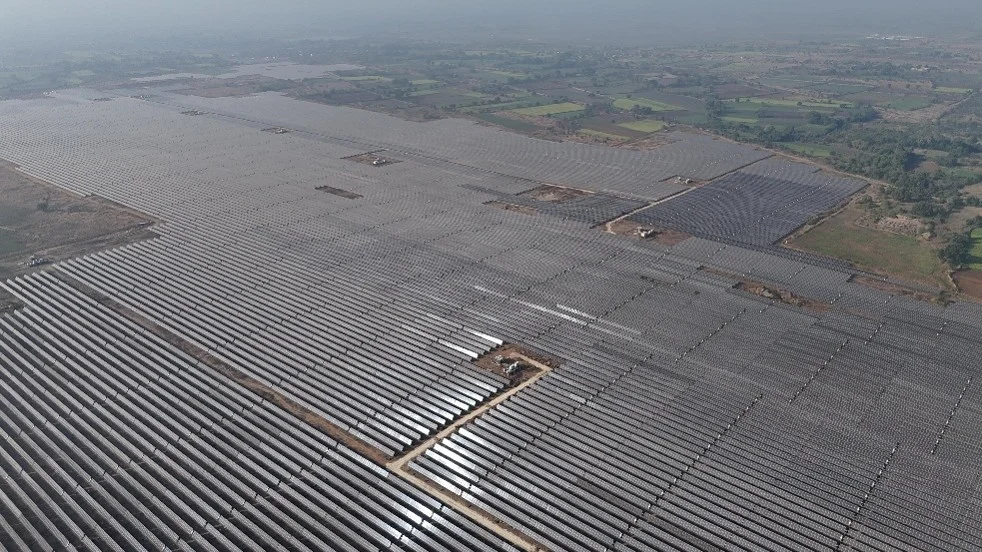
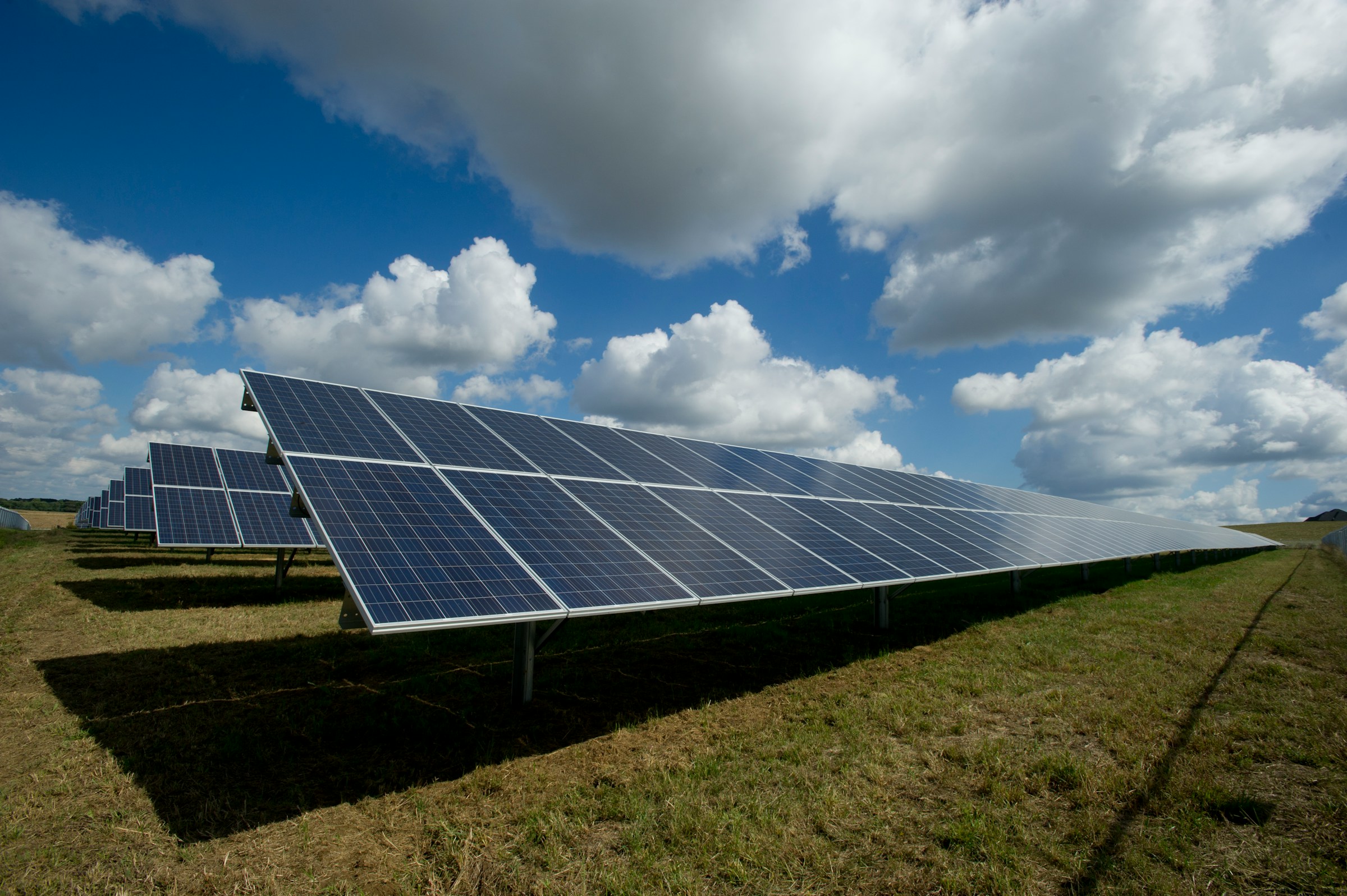
SmartestEnergy and OnPath Energy have signed a co-located solar PV and battery storage transaction for Common Farm Solar Park in East Yorkshire, creating a shared generation and flexibility structure designed around grid use and route-to-market certainty.
The project is expected to begin operations next year. It is SmartestEnergy’s first co-location deal and OnPath Energy’s first co-located solar and battery project in the UK. The transaction uses a revenue floor mechanism, giving a degree of income certainty while allowing participation in market upside.
Solar and battery storage have complementary operating profiles when the connection, metering, and commercial structure are designed together. Solar generation provides low-cost renewable output during daylight periods, while the battery can respond to demand, price signals, and operational opportunities. A shared connection allows the two technologies to be managed as one electrical and commercial package rather than two separate projects competing for grid capacity.
Co-location is gaining importance as UK grid capacity becomes more constrained. Solar farms can face export limitations during periods of high renewable generation, while batteries can absorb output, shift energy, and provide flexibility services where market rules and connection arrangements support that operation. The value of co-location depends on connection capacity, inverter and PCS sizing, metering, optimisation software, contract structure, and battery degradation management.
Storage development is splitting into several distinct models. Britain’s long-duration storage selection, large standalone projects such as 2GWh-scale Scottish battery storage, and co-located solar-plus-battery sites each serve different parts of the system. Duration, grid location, revenue structure, cycling strategy, and connection configuration shape the role each asset can play.
A revenue floor structure is significant because co-located renewable and storage assets can face more complex revenue risk than conventional generation projects. Solar output is exposed to weather, capture prices, curtailment, imbalance costs, and market volatility. Battery revenue depends on spreads, balancing services, availability, cycling strategy, degradation, and market access. Combining floor protection with optimisation can improve bankability while retaining value from flexible operation.
The shared-connection model also changes how grid capacity is treated. Historically, renewable projects often sought maximum export capacity for generation. In a constrained network, capacity becomes a scarce asset to be used dynamically. A solar-plus-storage site can export generation when conditions are favourable, store energy when export is constrained or prices are weak, and discharge when system value is higher.
That operating model places more weight on software and commercial optimisation. Dispatch decisions have to balance market price, battery state of charge, export limits, degradation cost, forecast solar output, network conditions, and contract obligations. Poor optimisation can leave revenue uncaptured or accelerate battery wear. Strong optimisation can improve connection utilisation and reduce exposure to low-price periods.
Electrical integration remains demanding. Co-located projects require coordinated protection, metering, grid-code compliance, inverter behaviour, battery controls, fire safety systems, transformers, switchgear, SCADA, and communications. The project must be designed so the solar and storage assets can operate together safely and reliably under a shared connection agreement.
The transaction also reflects a broader change in renewable finance. Investors and lenders increasingly want projects with clearer revenue structures, stronger route-to-market arrangements, and realistic grid assumptions. Merchant exposure remains part of many projects, but full reliance on wholesale price movement is less attractive where cannibalisation, curtailment, and grid constraints are visible.
Common Farm Solar Park will be judged not only by installed capacity, but by how effectively its generation, storage, contract structure, and grid connection work together. Co-location is becoming a practical response to network scarcity, with value determined by engineering execution and the commercial discipline behind dispatch.