
IN Brief:
- Nexos Group has been awarded a project to support a more resilient, lower-carbon power system on Ascension Island.
- The work will support Encompass, which operates and maintains the island’s power station and utilities on behalf of the BBC World Service.
- The project is expected to increase renewable penetration and reduce diesel usage by 42% per year.
Nexos Group has been awarded a project to support a more resilient, lower-carbon power system on Ascension Island, one of the world’s most remote inhabited territories.
The company will work with Encompass, which operates and maintains Ascension Island’s power station and utilities on behalf of the BBC World Service. The project will support electricity users across the island while strengthening infrastructure that underpins essential services, including the BBC Atlantic Relay Station.
Ascension Island is a British Overseas Territory in the South Atlantic, with an operating environment shaped by remoteness, critical infrastructure requirements, limited logistics routes, and high reliance on dependable local services. Power systems in that context must be designed around resilience, because faults, fuel disruption, equipment failure, or extended supply-chain delays are harder to manage than on a mainland grid.
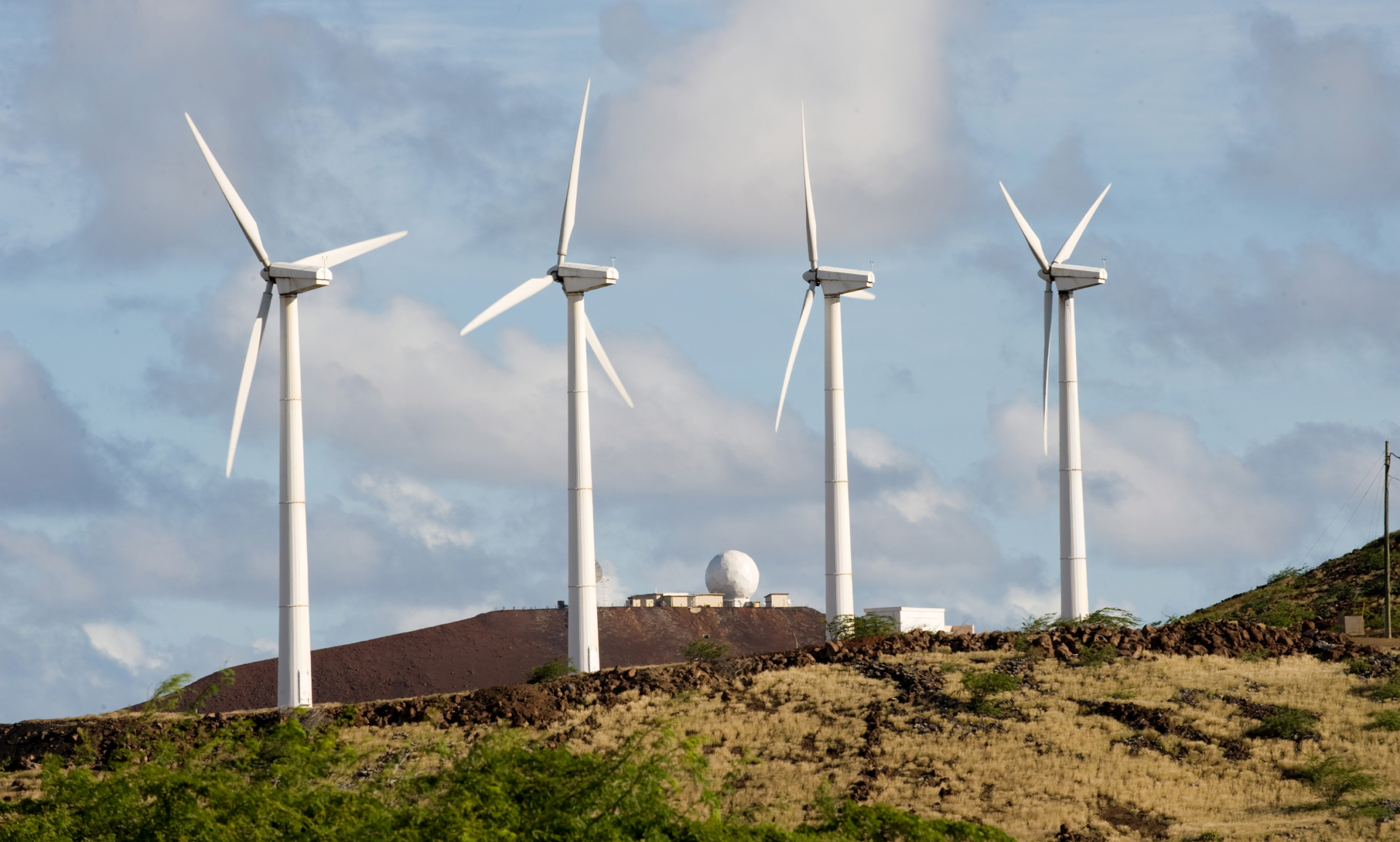
The project will increase renewable energy penetration through advanced battery and energy management systems. Nexos expects the work to improve overall system efficiency, strengthen energy security, and reduce annual diesel usage by 42%.
That reduction is significant for a remote island power system, where imported diesel brings cost, emissions, storage requirements, and logistics exposure. Lower fuel use can reduce operating vulnerability, provided the replacement system maintains the reliability required for essential services.
The engineering challenge is broader than adding renewable generation. Remote island systems require careful management of frequency, voltage, reserve margin, spinning generation, battery state of charge, load forecasting, protection settings, and control priorities. Higher renewable penetration changes operating behaviour, particularly where there is no large external grid to absorb imbalance.
Battery storage and energy management systems are central to that operating model. Batteries can absorb surplus renewable generation, discharge during higher load periods, smooth output fluctuations, and support system stability. The energy management layer determines how generation, storage, and demand are coordinated, and how diesel generation is retained or reduced without compromising reliability.
Ascension Island also has essential loads that shape the design case. The BBC Atlantic Relay Station supports international broadcast services, while the island also has wider domestic, utility, and strategic infrastructure needs. The power system must therefore maintain service under equipment faults, changing weather, maintenance activity, and logistics disruption.
Remote energy systems increasingly use microgrid-style architectures combining local generation, storage, and control systems. The scale differs from mainland transmission and distribution networks, but the engineering requirements overlap: visibility, redundancy, controllability, protection coordination, and operating discipline.
Critical infrastructure operators are also placing greater emphasis on power quality and site resilience. Voltage instability risks have already prompted warnings for data centre operators, and isolated power systems face an even narrower margin because external network support is limited or unavailable.
Island systems can also provide useful lessons for more distributed mainland networks. As power systems become more renewable, digitally controlled, and decentralised, operators need clearer real-time understanding of generation, demand, storage, and system limits. Islands expose those dynamics sharply because there is little room for poorly coordinated assets.
Reducing diesel consumption by 42% per year should lower fuel imports and emissions, but sustained performance will depend on long-term operation rather than commissioning alone. Battery performance, controls tuning, maintenance access, spare parts, staff training, and monitoring will determine whether the system continues to deliver resilience over time.
The Ascension Island project places Nexos in a demanding power environment where engineering decisions must balance carbon reduction with dependable supply. In remote systems, lower-carbon power is not a simple substitution of diesel with renewables; it is a controlled redesign of how generation, storage, and load behave under normal operation and stress.

