IN Brief:
- JA Solar has rebranded as JA, reflecting a shift from module manufacturing toward integrated green energy systems.
- The new structure covers JA SOLAR, JA ESS, JA GREEN, and JA CAPITAL.
- The strategy links photovoltaics, energy storage, smart energy services, and financing as customers seek more complete decarbonisation solutions.
JA has completed a global brand renewal, moving from JA Solar toward a broader green energy platform covering photovoltaics, energy storage, smart energy, and capital services.
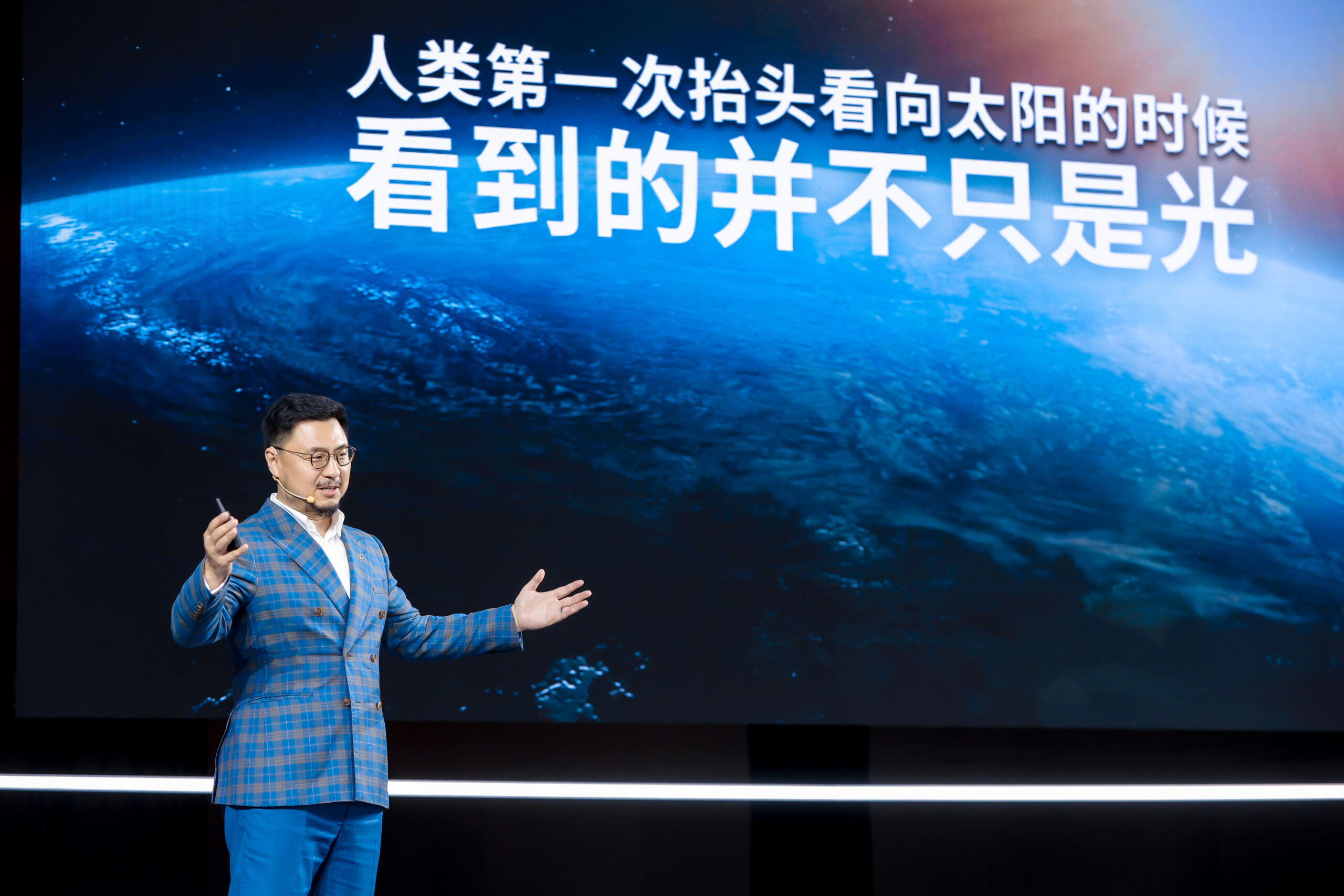
The new identity was unveiled at the JAx2026 Brand Renewal Launch & Eco-Partner Conference in Shanghai. Under the JA masterbrand, the company will operate through four business groups: JA SOLAR for photovoltaic products, JA ESS for energy storage solutions, JA GREEN for smart energy, and JA CAPITAL for financing.
The structure marks a shift for one of the world’s major solar manufacturers. Rather than presenting itself only as a module supplier, JA is building a platform that combines generation, storage, optimisation, and finance across industrial and commercial energy systems.
Solar manufacturing has scaled rapidly over the past decade, increasing global module supply and placing pressure on margins across parts of the value chain. As a result, procurement is moving beyond module efficiency and price alone. Bankability, system integration, warranty structure, storage compatibility, energy management, and lifecycle service are all becoming part of project evaluation.
JA also set out a strategic direction for the AI data centre sector during the launch event. Data centres are becoming a major source of new electricity demand, with operators seeking renewable generation, storage-backed resilience, connection certainty, and long-term price stability. That creates a stronger role for companies able to combine solar assets with storage and energy-management services.
Energy storage is central to the shift. Solar projects increasingly need storage to shift output, improve self-consumption, support grid services, reduce curtailment, and strengthen the value of generation in markets with high midday solar penetration. A manufacturer with both PV and storage capability can influence system architecture earlier in the project development process.
Smart energy services add a further layer, connecting generation and storage assets to monitoring, optimisation, and market participation. Virtual power plant models, including aggregation platforms linking distributed energy assets across European markets, show how hardware is increasingly being paired with software control and flexible operation. As more assets connect at distribution level, value will depend on how effectively they can be dispatched, monitored, and coordinated.
The inclusion of JA CAPITAL gives the rebrand a commercial dimension beyond technology supply. Finance availability remains a major constraint for renewable and storage projects, particularly where customers want integrated systems with multiple revenue streams or operational benefits. Financing support can reduce friction in procurement, although it also places greater emphasis on performance guarantees, service quality, and project risk assessment.
Large electricity users are shaping the same direction. As data-centre operators look for structured routes to renewable power, suppliers are being pulled toward whole-system propositions rather than single-product transactions. Solar, storage, optimisation, and contracted energy supply increasingly overlap in the same commercial decision.
JA’s photovoltaic manufacturing base remains central to the business, but the surrounding structure changes how those modules are positioned. Panels provide the generation layer; storage, smart controls, and finance determine how the electricity is used, shifted, valued, and secured over time.
The rebrand gives JA a framework for competing in a market where customers increasingly want reliable energy systems rather than standalone components. Execution will depend on whether the four business groups can operate as an integrated offer, with technology, service, and finance aligned across different markets. The direction is consistent with the wider renewable sector: value is moving from equipment supply alone toward complete, controllable, and financeable energy infrastructure.