IN Brief:
- EZO has secured a 15-year, £176m contract to deliver and manage EV charging infrastructure across four Midlands council areas.
- The project will install 250 public chargers across Worcestershire, Leicestershire, Rutland, and Warwickshire.
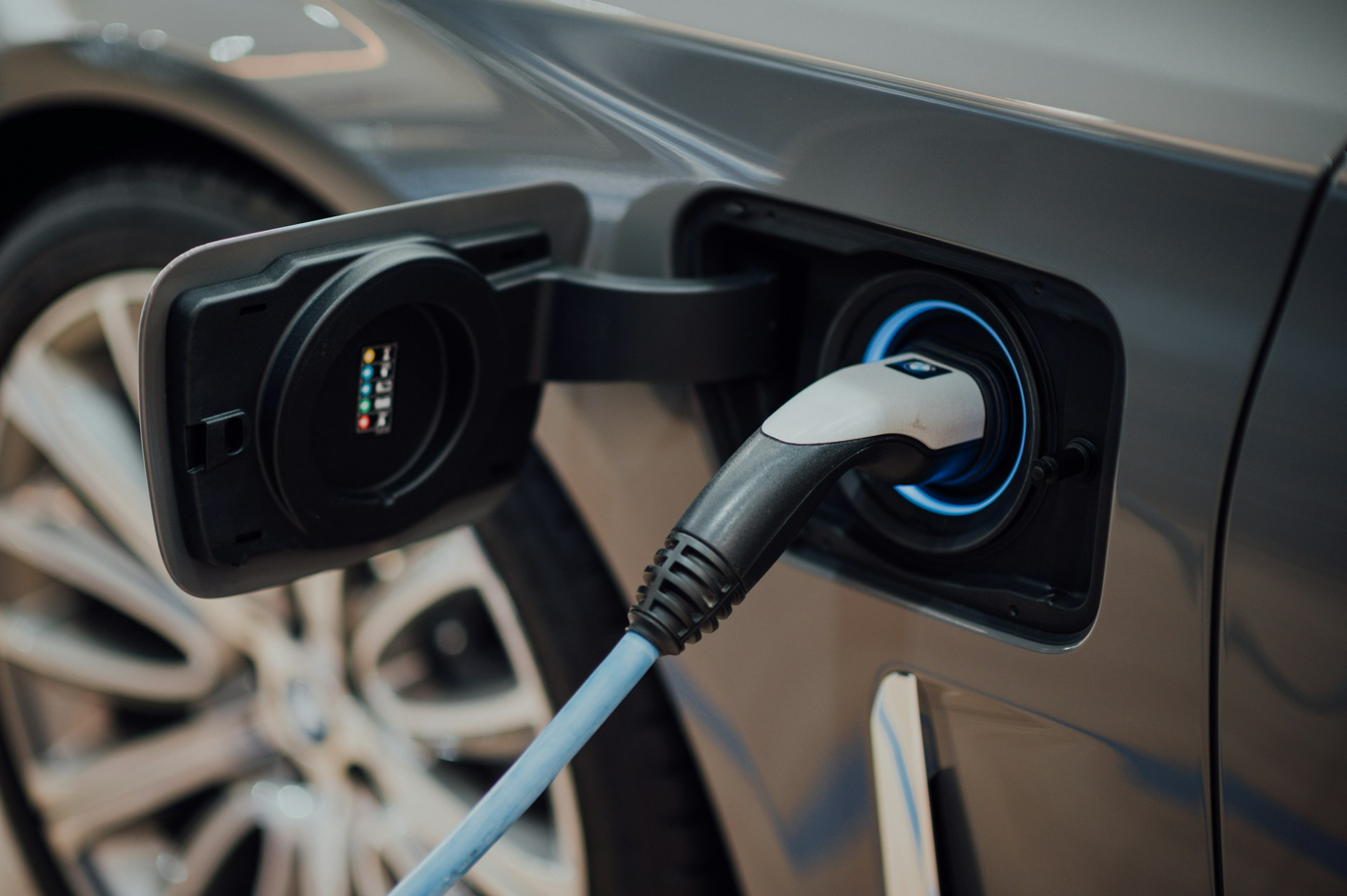
- The rollout focuses on rapid and ultra-rapid charging, particularly for areas where residents rely on on-street parking.
EZO has secured a 15-year contract valued at £176m to deliver and manage public EV charging infrastructure across four Midlands council areas.
The agreement covers Worcestershire, Leicestershire, Rutland, and Warwickshire, with 250 new chargers planned across the region. The project is being delivered through the Fourth Midlands EV Infrastructure Consortium, working with Midlands Connect, and is expected to support around two million residents.
The rollout will focus on rapid and ultra-rapid charging. That gives the project a different profile from schemes centred mainly on slower residential charging, although both types of infrastructure are needed in areas where many drivers do not have access to private driveways or dedicated off-street parking.
Funding will come through the UK Government, with EZO delivering the project without direct capital investment from the participating councils. The structure reflects the growing use of long-term concession-style arrangements in public charging, where private operators finance, install, operate, and maintain infrastructure under local authority contracts.
The Midlands award follows EZO’s wider expansion in the UK charging market. With public authorities trying to accelerate deployment while limiting direct capital exposure, operators that can combine finance, installation, operation, maintenance, and user-facing service support are gaining a larger role in local infrastructure delivery.
Public charging is entering a more demanding phase. Earlier programmes were often judged by charger numbers, but mature networks are judged by uptime, utilisation, payment reliability, site access, grid capacity, and maintenance response. Rapid and ultra-rapid charging raise those requirements further because each location needs a stronger electrical design and a more resilient connection.
Site selection will determine much of the project’s delivery difficulty. Rapid chargers need adequate grid capacity, suitable land, safe access, civil works, protection equipment, metering, communications, and clear maintenance responsibilities. Locations with strong driver demand may not always have straightforward grid connections, while easier electrical sites may be less useful for the public network.
The Midlands contract sits alongside a broader expansion of local authority charging infrastructure. Large-scale residential and destination charging programmes, including major county-level charger deployments backed by public and private funding, show how public-sector procurement is becoming one of the main routes to national network expansion. At the higher-power end, megawatt charging development is pushing infrastructure planning toward even larger connection and power-management requirements.
The EZO project occupies the middle ground between kerbside residential charging and strategic high-power corridor charging. It must serve daily public use across multiple council areas, while also delivering enough charging speed to support drivers who cannot rely on home charging. That makes coordination between councils, the charge point operator, site hosts, contractors, and distribution network operators essential.
Long-term contracts can create stable investment conditions, but operational delivery will define the network’s value. Charger counts matter at procurement stage; reliability, accessibility, and electrical resilience matter once drivers arrive. For rapid and ultra-rapid charging, the infrastructure behind the bay is as important as the unit installed at the kerb.