
IN Brief:
- Nordex has secured a 100MW order in Eastern Europe for 17 N163/5.X wind turbines.
- The contract covers supply and commissioning, alongside a multi-year service and maintenance agreement.
- The wind farm is scheduled to enter full operation in 2028, with the customer and project location undisclosed.
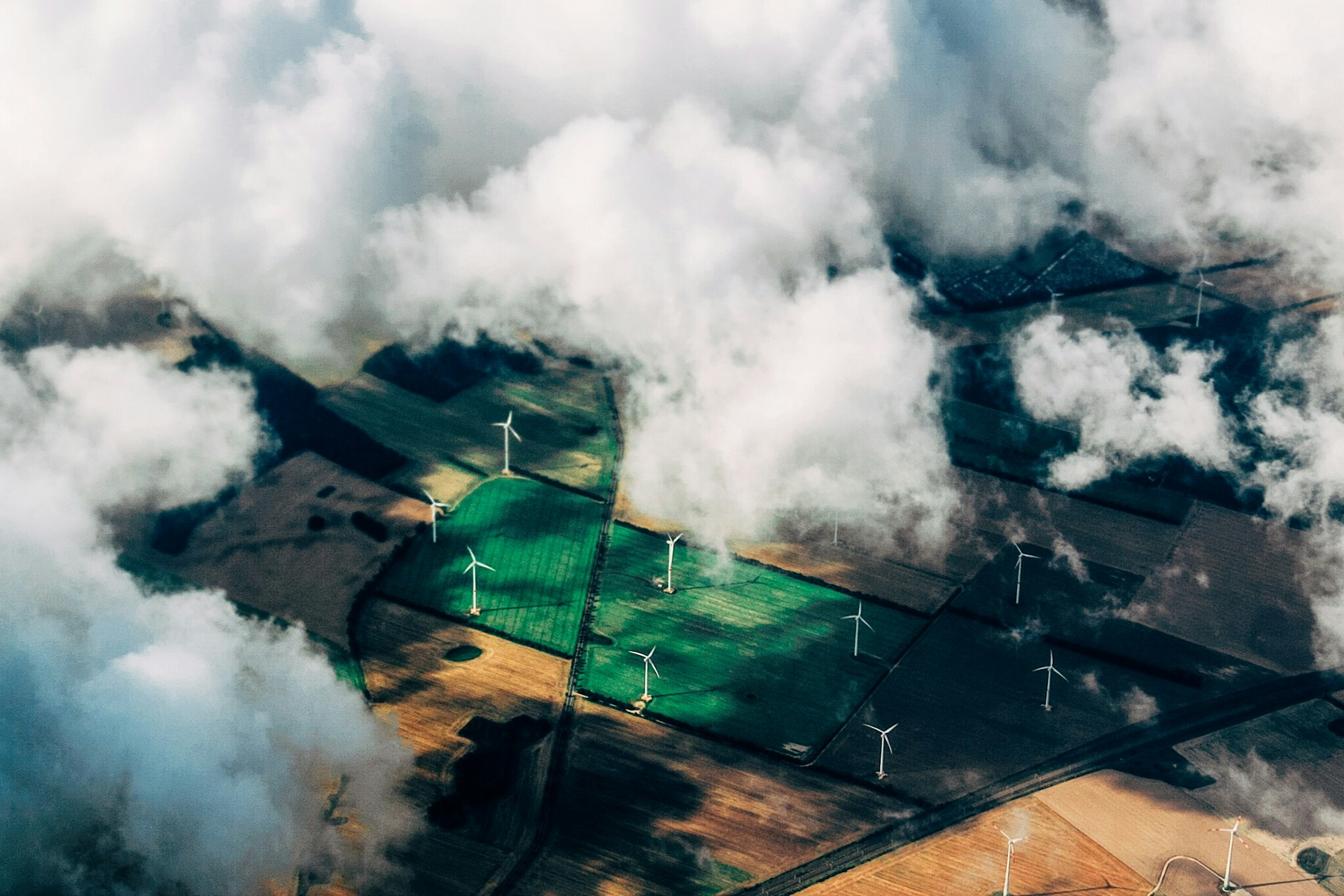
Nordex has secured a 100MW order in Eastern Europe, covering the supply and commissioning of 17 N163/5.X onshore wind turbines.
The contract includes a multi-year service and maintenance agreement, with the wind farm scheduled to enter full operation in 2028. The customer and project location have not been disclosed, although the order adds to Nordex’s continuing activity across European onshore wind markets.
The N163/5.X turbine forms part of Nordex’s Delta4000 platform and is designed for high-yield onshore projects across varying wind conditions. Using 17 machines for a 100MW project reflects the continued increase in turbine ratings, reducing the number of foundations, collection points, and balance-of-plant interfaces needed for a given site capacity.
With larger machines becoming standard across new onshore projects, the electrical design around the wind farm carries more weight in project delivery. Higher individual turbine ratings concentrate output through fewer connection points, increasing the importance of medium-voltage collection systems, transformer specification, reactive power control, protection coordination, and grid-code compliance.
Service arrangements are also becoming part of the core project structure rather than a later operational detail. Wind farms are being financed and planned around long asset lives, and turbine availability depends on remote diagnostics, spare-parts logistics, software updates, blade inspection regimes, and access planning. A multi-year maintenance package gives the project a defined support route during its early operating life.
Eastern Europe remains a varied but important growth region for onshore wind. Some markets have improved procurement conditions and renewable support frameworks, while others continue to face permitting delays, grid congestion, or slow reinforcement. Project development is therefore shaped as much by network readiness and planning conditions as by turbine supply.
As new wind capacity is contracted, transmission and distribution operators face rising pressure to manage changing power flows. Onshore wind projects can be geographically dispersed, connecting into networks that may not originally have been built for large volumes of renewable export. Connection capacity, local constraints, voltage control, and curtailment risk all influence project economics.
That has pushed renewable deployment closer to flexibility planning. Distributed generation, battery storage, flexible demand, and aggregation platforms are increasingly being coordinated to improve system use, with virtual power plant aggregation models showing how renewable and flexible assets can be managed across wider portfolios. Wind farms remain generation assets, but their value is increasingly tied to how effectively their output can be integrated into system operation.
Nordex has installed more than 64GW of wind energy capacity in more than 40 markets, with manufacturing operations across Germany, Spain, Brazil, India, and the United States. Its latest Eastern European order sits within a wider onshore market that is still expanding, even as developers contend with permitting, financing, network access, and supply-chain pressure.
The project’s scheduled 2028 operation date gives grid planners, contractors, and service teams a defined delivery window. Between order and energisation, the practical work will sit across civil engineering, turbine logistics, electrical balance-of-plant installation, commissioning, and long-term O&M readiness. For Europe’s renewable targets, those delivery details will decide how much contracted capacity becomes dependable generation on time.

