
IN Brief:
- DRI has secured non-recourse project financing for the 133MW Trzebinia battery in Poland.
- The financing is backed by KUKE and involves Erste Bank Polska, PKO Bank Polski, and UniCredit.
- The project is expected to support capacity, reserve, and system-balancing needs from early 2027.
DRI has secured project financing for its 133MW Trzebinia battery energy storage system in southern Poland, advancing one of the country’s most significant standalone storage assets toward construction.
The financing package is worth approximately PLN 470m, equivalent to more than €100m, and has been structured as non-recourse project finance. KUKE, the Polish export credit agency, is backing the transaction on behalf of the Polish State Treasury under the Insurance for Transformational Export programme.
Erste Bank Polska, PKO Bank Polski, and UniCredit are involved in the financing, giving DRI a debt package for construction of the standalone battery asset. The project is expected to enter operation in early 2027.
Trzebinia is designed to participate in Poland’s capacity market and provide fast-response reserves during periods of system stress and peak electricity demand. Its commercial role is therefore centred on flexibility, reliability, and dispatchable grid support rather than being treated only as a companion asset to renewable generation.
Poland’s electricity system is moving through a difficult transition. Coal-fired generation remains significant, but renewable capacity is growing and system operators require faster balancing tools as output becomes more variable. Batteries can respond rapidly to frequency and reserve needs, making them valuable where market structures allow storage to capture system value.
The financing reflects a wider change in European storage development. Battery projects are increasingly moving from early-stage equity-backed pipelines into conventional infrastructure finance, provided developers can show credible grid positions, route-to-market arrangements, equipment warranties, degradation assumptions, and contracted or forecast revenue streams.
A broader European BESS pipeline of 3.3GWh of projects has already shown how storage is becoming a recurring part of generation and grid planning. Trzebinia follows that pattern while demonstrating how national market design continues to shape project finance. A battery in Poland does not face the same revenue stack as one in Britain, Italy, Ireland, or Germany.
Public-backed export credit support also shows how flexibility infrastructure is being treated as part of the energy transition’s industrial base. Large battery projects still carry regulatory, merchant, technology, and construction risk, particularly in markets where ancillary services and capacity mechanisms are evolving. Credit support can reduce financing friction and bring lenders into projects that would otherwise be harder to bank.
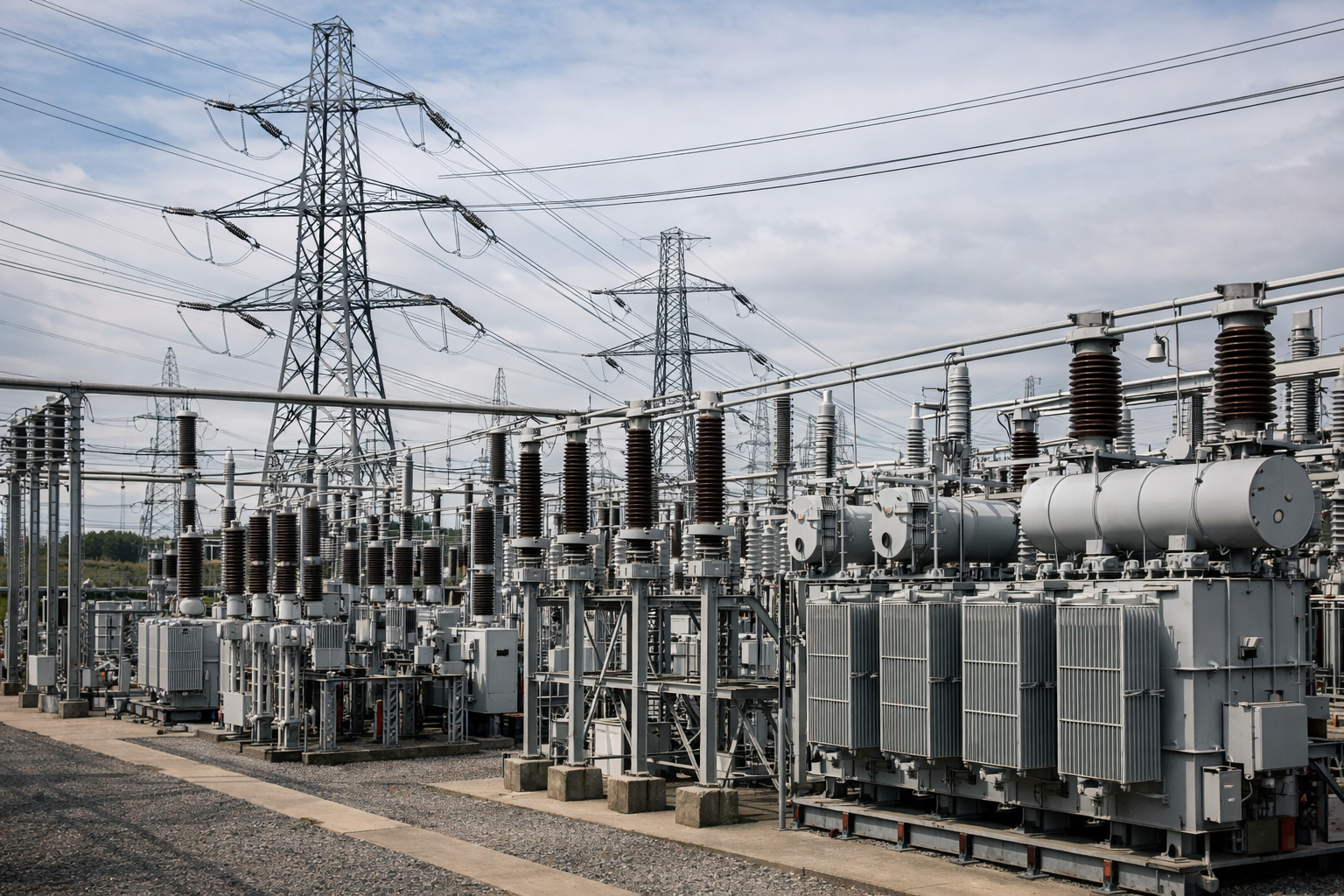
The technical demands remain substantial. Grid-scale batteries require robust grid connection agreements, transformer capacity, power conversion systems, fire safety design, control architecture, metering, communications, and dispatch integration. As projects grow in scale, commissioning and operational performance become just as important as capital availability.
Once operational, Trzebinia will need to operate across multiple value pools, balancing capacity market commitments with shorter-term reserve, trading, and system services. That multi-market operation is becoming the defining model for European BESS assets. Storage revenue is rarely built on a single service for the full life of an asset.
Poland’s grid will require more flexible capacity as renewable penetration increases and conventional plant retires or reduces running hours. Trzebinia marks another step toward replacing thermal flexibility with electronically controlled storage capable of supporting a more variable electricity system.

