IN Brief:
- Drax Energy Solutions has signed a 10-year solar cPPA with Global Switch.
- The agreement is expected to deliver 55GWh of solar power annually from January 2027.
- Drax is also pursuing the acquisition of Bluefield Solar Income Fund to expand its renewables portfolio.
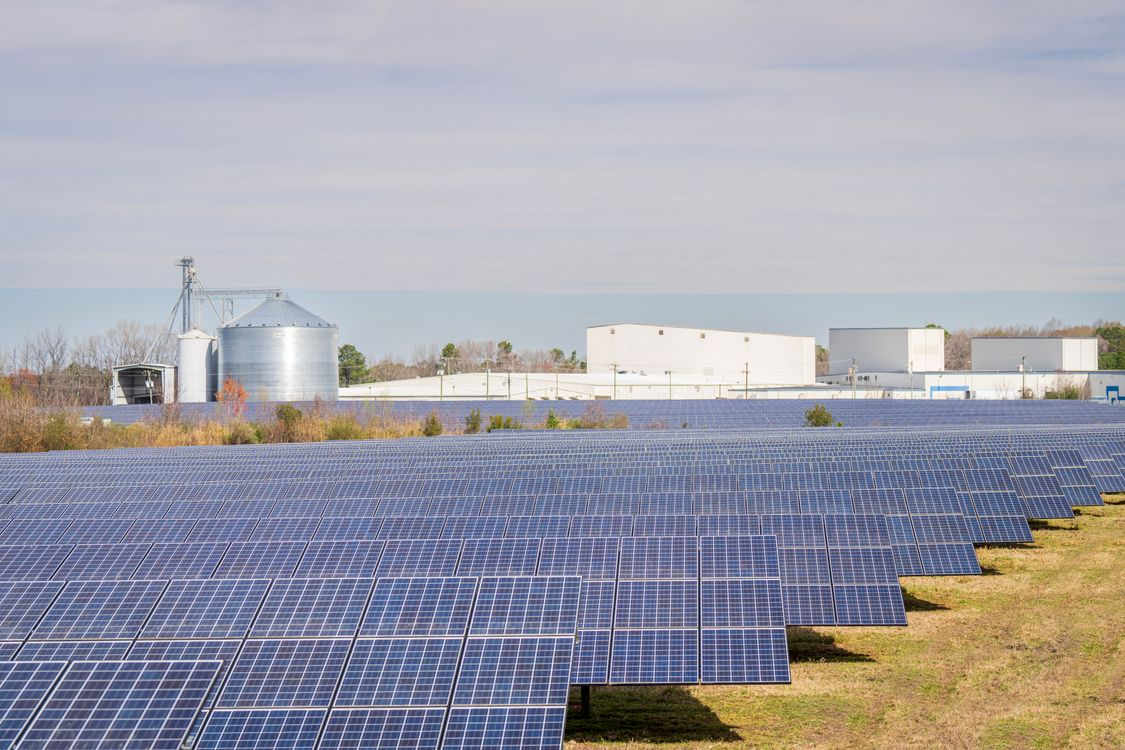
Drax Energy Solutions has signed a 10-year corporate power purchase agreement with Global Switch that is expected to deliver 55GWh of solar power each year from 1 January 2027.
The agreement will cover around 30% of Global Switch’s total UK electricity use. It is the second cPPA between Drax and Global Switch, with the two arrangements expected to cover more than 70% of the data-centre operator’s electricity demand. Drax will act as the sleeving supplier, facilitating the delivery of power from an undisclosed solar generator to Global Switch and handling the supplier-side market functions associated with the agreement.
The deal links renewable procurement with data-centre load growth. Corporate PPAs have become a common route for large energy users seeking long-term renewable supply, price visibility, and certificate-backed consumption. Data centres add a further requirement because their electricity demand is large, continuous, and increasingly scrutinised by grid operators and customers.
Drax Group has also made an offer to acquire Bluefield Solar Income Fund. The transaction values the renewable investment company at around £561m including the permitted dividend. Bluefield owns a diversified UK renewable portfolio, including operating and under-construction solar and wind assets, and has a development pipeline of more than 1GW.
Together, the cPPA and Bluefield transaction would expand Drax’s exposure to renewable generation, storage, and customer-side energy services while the electricity system absorbs more demand from digital infrastructure, industrial electrification, and transport. The strategic value lies in connecting generation, certificates, customer contracts, balancing, and market access.
Sleeving arrangements are central to that structure. A corporate buyer may contract for renewable output from a generator, but physical electricity flows through the grid rather than along a dedicated wire. The licensed supplier manages settlement, balancing, grid access, and supply arrangements, giving the customer a practical route to procure renewable electricity without becoming a market participant in its own right.
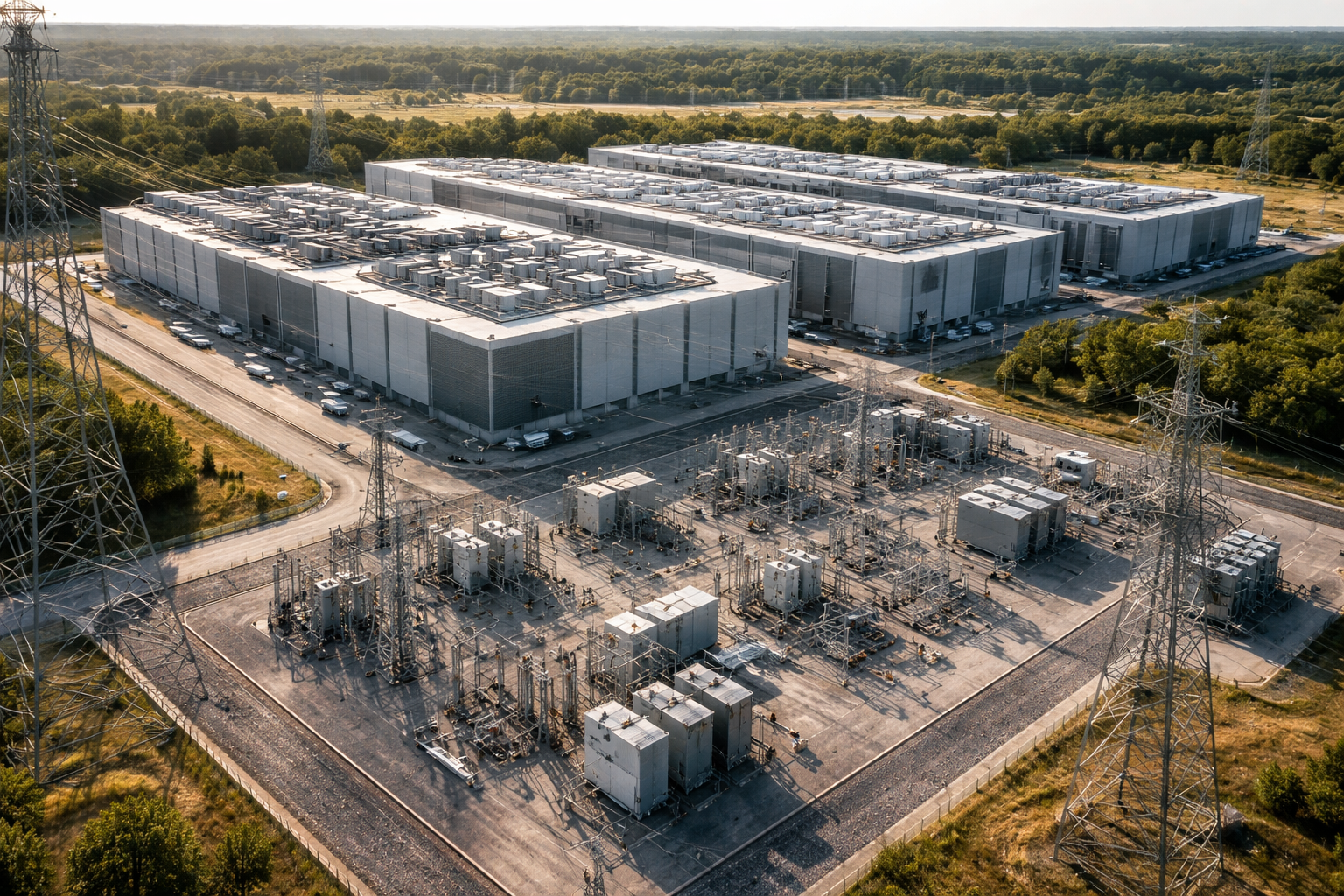
Data-centre demand gives the model added weight. High-density digital loads can create concentrated pressure on local and transmission networks, particularly where clusters develop near fibre routes, land availability, or existing infrastructure. Power requirements are shaped not only by annual consumption, but also by connection capacity, resilience, power quality, and the ability to match procurement with operational demand.
Generation and storage are increasingly being paired to improve the value of renewable output. European Energy’s hybrid solar and battery project in Cornwall brings co-located storage into a site designed around grid utilisation, dispatch flexibility, and market conditions. The project, covered in European Energy starts Cornwall solar and battery build, shows how storage can strengthen renewable projects where network constraints and price volatility affect operating value.
Large power users are also moving toward more technical renewable procurement. Annual certificate-backed supply may not be enough where grid operators, customers, and regulators focus more closely on time-matching, additionality, network impact, and flexibility. Batteries, demand response, sleeving structures, and hybrid generation portfolios can all strengthen the link between contracted renewable output and actual consumption patterns.
Drax’s proposed Bluefield acquisition would add further depth to that position if completed. A larger UK renewables portfolio gives more options for offtake, storage pairing, and customer supply structures. It also increases exposure to grid constraints, connection reform, curtailment, and merchant power price volatility, all of which shape renewable asset value alongside installed capacity.
The Global Switch agreement shows how large electricity users, renewable generators, and licensed suppliers are becoming more closely tied through long-term power contracts. As data-centre demand rises, those commercial structures will become a more visible part of the UK’s electricity infrastructure.