
IN Brief:
- Fidra Energy has acquired the Enderby BESS project from Innova.
- The Leicestershire project is expected to deliver up to 1,025MW once operational.
- A regulatory decision on its long-duration storage cap-and-floor application is expected in summer 2026.
Fidra Energy has acquired the Enderby battery energy storage project in Leicestershire from Innova, adding another gigawatt-scale asset to its UK BESS development portfolio.
The project is expected to deliver up to 1,025MW of capacity once built and operational, placing it among the largest battery storage projects in the UK. Blaby District Council granted planning consent in May 2025, and the project has been confirmed as eligible for the first long-duration energy storage cap-and-floor scheme application. A regulatory decision is expected in summer 2026.
Enderby is expected to reach a final investment decision in 2027, with operations targeted for 2029. The acquisition expands Fidra’s UK pipeline beyond 4GW and follows the company’s wider push into large-scale storage infrastructure backed by EIG and the National Wealth Fund.
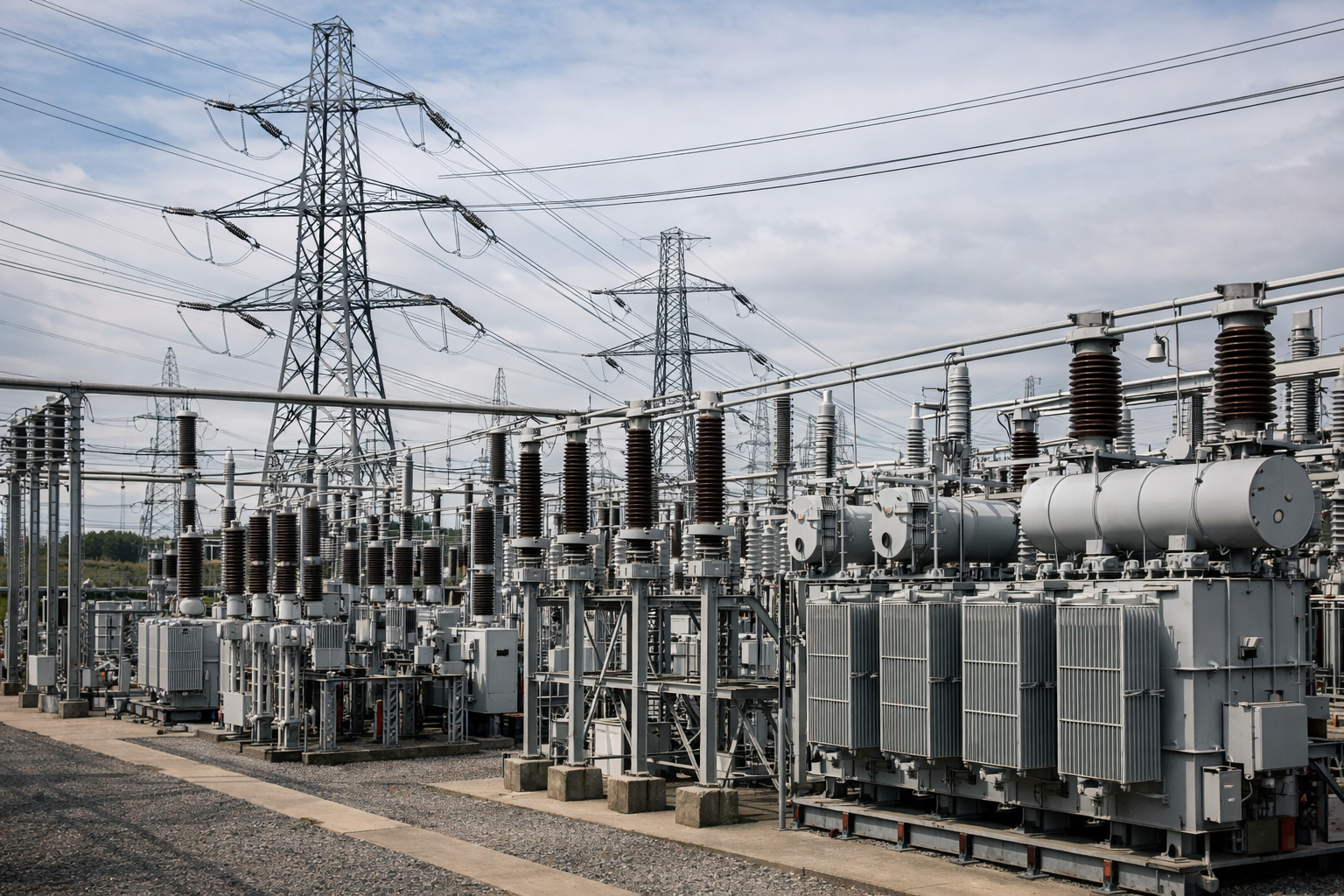
The project joins a portfolio that includes Thorpe Marsh in Yorkshire and West Burton C in Nottinghamshire. Thorpe Marsh is being developed on land adjacent to a former coal station site and large National Grid substation, with planned capacity of 1.45GW and 2.9GWh. West Burton C is a 500MW, 1GWh project adjacent to existing power infrastructure in Nottinghamshire.
Enderby adds scale to a UK storage market moving from short-duration ancillary service assets toward infrastructure projects that support system balancing, renewable integration, peak management, and security of supply. The cap-and-floor route also brings long-duration storage into a more formal investment framework, reducing some revenue uncertainty where projects meet the scheme criteria.
Planning status, connection location, duration, financing, and regulatory support are now shaping the UK storage pipeline as much as headline capacity. A consented, advanced-stage asset gives Fidra a clearer path than an early-stage project would offer, while also bringing delivery demands around procurement, grid works, safety case development, construction sequencing, and market access.
Grid proximity and development maturity have become recurring features in UK BESS transactions. Eelpower’s acquisition of the 50MW/100MWh Stoneworthy project in Devon followed the same logic, with the project moving through design, construction, commissioning, and future optimisation. Eelpower acquires 100MWh Devon BESS project showed how storage developers are increasingly buying assets with clearer grid and planning positions.
At Enderby’s scale, the operating model will be technically demanding. A gigawatt-scale BESS must coordinate power conversion systems, transformers, switchgear, battery containers, fire detection and suppression, thermal management, controls, metering, cybersecurity, grid-code compliance, degradation management, and market dispatch. Value will depend on how those systems perform across wholesale markets, balancing services, capacity mechanisms, and any long-duration support arrangements.
The transmission connection context remains central. UK storage projects are competing for grid positions while connection reform, queue management, and reinforcement planning reshape project timelines. A large battery close to strategic network infrastructure can offer significant value, but only where connection terms, control requirements, and market participation align with the asset’s technical capabilities.
Portfolio scale is also changing the investment landscape. Developers with multiple large projects can standardise design, strengthen procurement, build operational expertise, and manage route-to-market strategies across changing market conditions. Individual projects remain decisive, but delivery capability increasingly depends on repeatable engineering, grid risk management, and financing depth.
The Enderby acquisition strengthens Fidra’s position before the first cap-and-floor decisions are finalised. If the project proceeds through regulation, investment approval, and construction on schedule, it will add a major dispatchable asset to a power system increasingly dependent on flexibility as renewable output grows.

