
IN Brief:
- The European Commission has published a Strategic Roadmap for Digitalisation and Artificial Intelligence in energy.
- The roadmap covers data centre integration, grid-enhancing technologies, smart meters, cross-border data sharing, and AI-enabled grid management.
- Digital control, cybersecurity, and demand-side flexibility are being placed closer to the centre of Europe’s electrification planning.
The European Commission has published a Strategic Roadmap for Digitalisation and Artificial Intelligence in energy, setting out how digital infrastructure, AI tools, data governance, and grid technologies will be integrated into Europe’s power system.
Built around the wider European Technological Sovereignty Package, the roadmap covers three connected areas: the sustainable integration of data centres into the energy system, the deployment of digital and AI solutions across energy infrastructure, and a data governance framework to support smart energy services at scale.
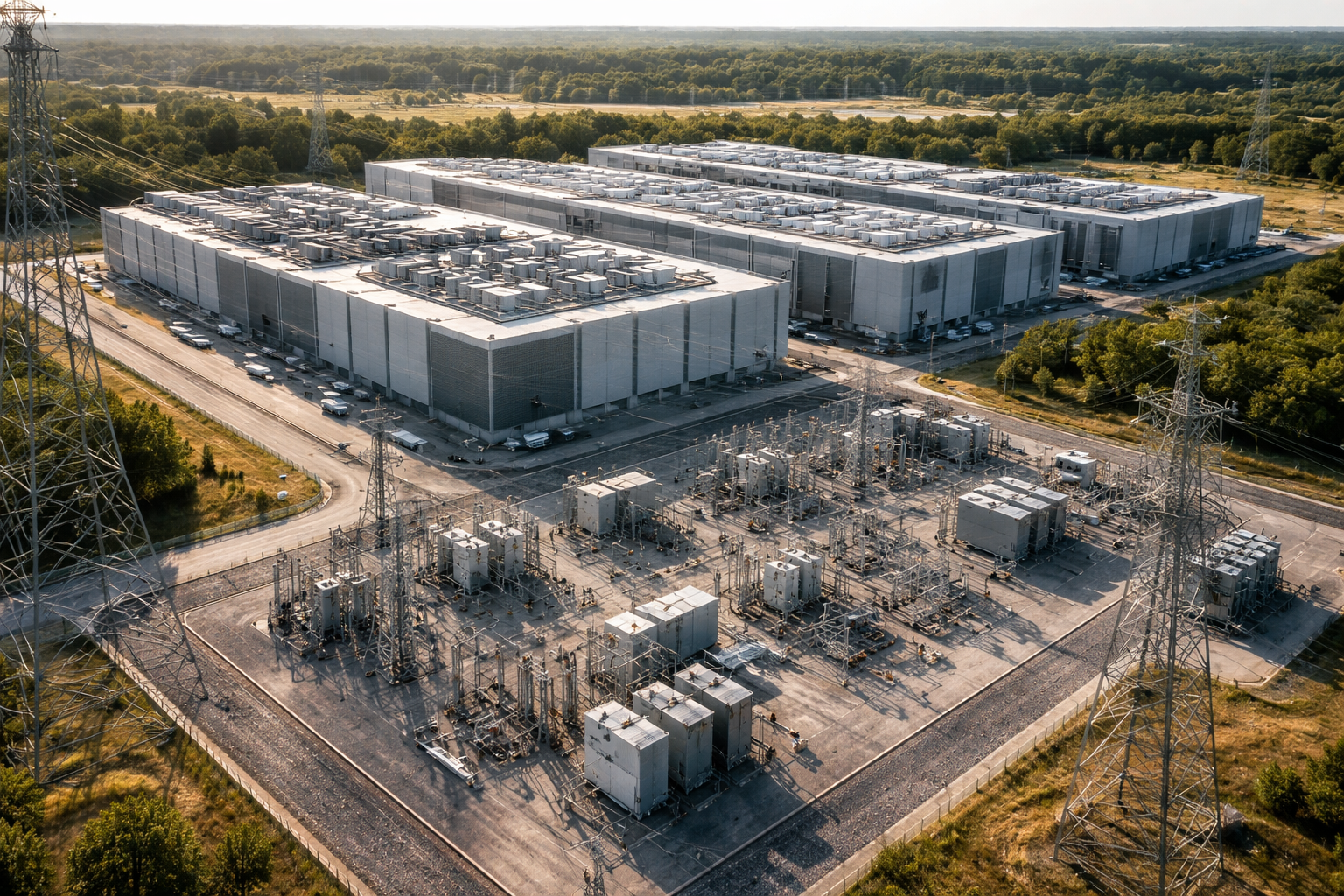
Data centres sit at the centre of the plan. They currently account for around 2.5% of EU electricity consumption, while installed capacity is expected to rise from approximately 12GW in 2025 to around 28GW by 2030. Individual data centre connection requests can now resemble those of major industrial facilities, creating pressure around grid planning, local flexibility, power availability, and reinforcement in constrained areas.
Rather than treating large digital loads as passive demand, the Commission wants a more structured relationship between energy stakeholders, data centre operators, and public authorities. Tripartite agreements will be used to support best practice, with the aim of improving how major digital infrastructure is connected, supplied, and operated.
Alongside the data centre element, the roadmap pushes for wider use of grid-enhancing technologies, smart meters, AI tools for network operation, and more advanced visibility across electricity systems. The AI.grids project has also been launched as a Community of Practice for developing AI models for grid planning and management.
Demand-side flexibility is given a stronger system role. Digital tools can shift consumption into periods of lower electricity prices, stronger renewable output, or reduced network pressure. For commercial and industrial users, flexibility is becoming a more formal part of energy cost management, connection strategy, and operational planning.
Cybersecurity is treated as part of the same transition. As substations, generation assets, meters, industrial loads, and control systems become more connected, the energy system’s digital surface area expands. The roadmap links AI adoption and digitalisation with the protection of critical infrastructure, secure data sharing, and confidence in automated energy tools.
That direction is already visible in equipment and services markets. Siemens Energy’s acquisition of Camlin Group brought grid monitoring, analytics, and asset intelligence further into the mainstream of power system investment. The same pressures sit behind the EU roadmap: ageing infrastructure, rising renewable output, new electrification loads, and less tolerance for networks operated with limited real-time visibility.
Physical reinforcement remains central to the transition, but new lines, substations, transformers, and converter stations take years to plan, permit, and build. Digital systems cannot replace that infrastructure, although they can help operators use existing assets more efficiently, identify congestion earlier, forecast generation and demand more accurately, and target investment where constraints are most severe.
AI-enabled maintenance and system operation will depend heavily on the quality of the data beneath them. European networks contain assets installed across different decades, supplied by different manufacturers, and operated through systems that were not designed for today’s level of interoperability. Smart meters, grid sensors, condition monitoring, digital twins, and standardised data exchange will determine whether AI becomes a dependable operational layer or another fragmented software environment.
The roadmap also points toward a more integrated European power system in which data is treated as operational infrastructure. Cross-border electricity flows, renewable balancing, interconnector use, flexibility services, and large industrial loads all require more precise coordination. That coordination becomes harder without consistent data governance and trusted digital systems.
The roadmap material is available from the European Commission’s Strategic Roadmap page.

