
IN Brief:
- Powersystems has completed and grid-connected the 90MW Pencloe Wind Farm in East Ayrshire.
- The electrical scope included 33kV switchgear, more than 50km of HV cable, protection, control, fibre, SCADA, and earthing systems.
- The 18-turbine project connects to the ScottishPower Transmission network.
Powersystems has completed and grid-connected the 90MW Pencloe Wind Farm in East Ayrshire, delivering the electrical infrastructure required to connect the 18-turbine project to the ScottishPower Transmission network.
The company worked with RJ McLeod on the Invenergy project, which is located around 5km south of New Cumnock. The wind farm uses 18 Vestas turbines and is expected to generate enough electricity for approximately 128,000 homes. The project also includes a community benefit fund expected to contribute more than £20m over its operating life.
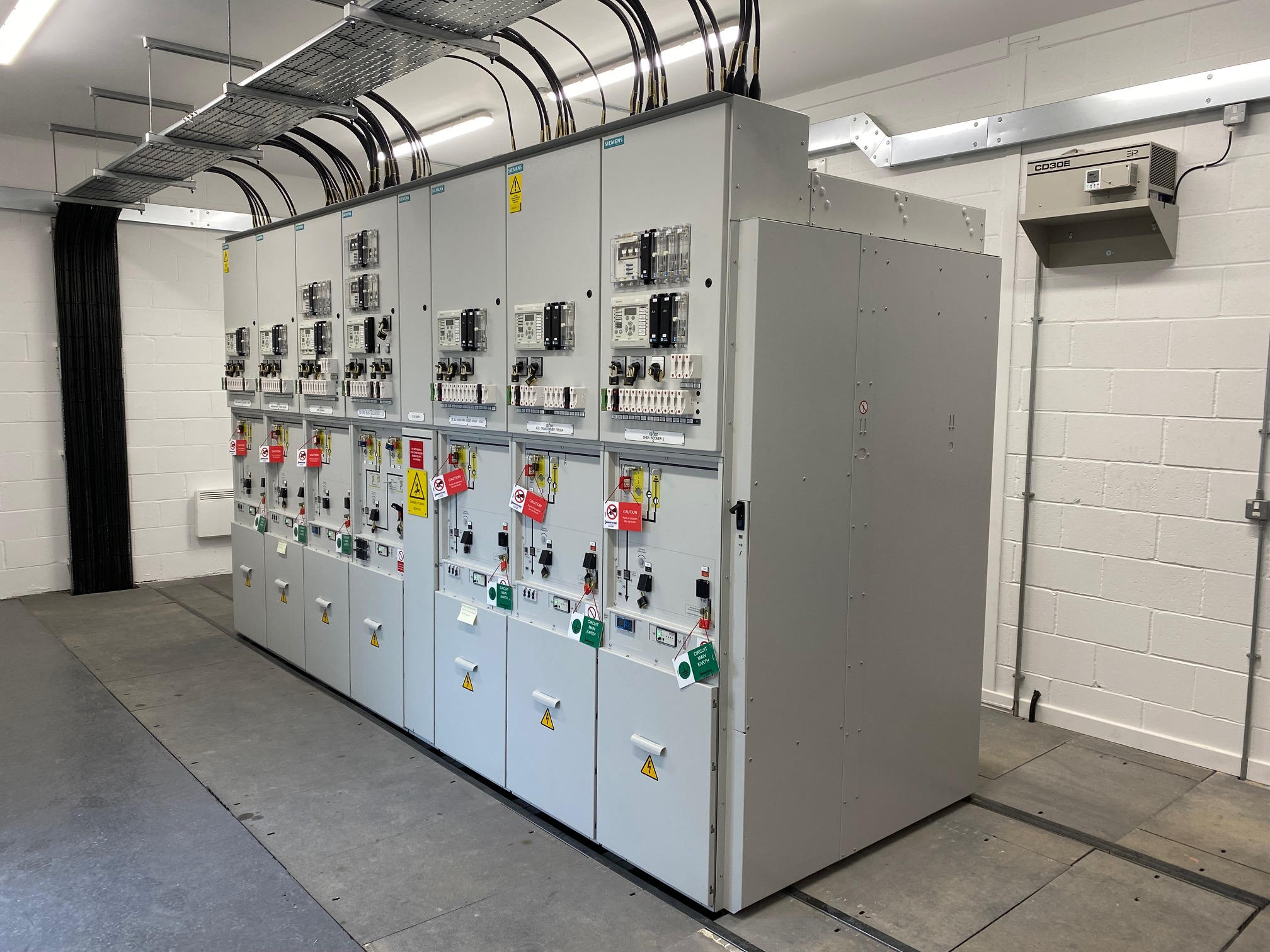
Powersystems’ scope covered turnkey design, supply, installation, testing, and commissioning of the project’s electrical balance of plant. The works included more than 50km of high-voltage cable, more than 13km of fibre, a seven-panel 33kV Siemens NX PLUS-type switchboard, protection relays, remote control panels, emergency trip systems, monitoring equipment, auxiliary transformers, standby generation, low-voltage auto-changeover arrangements, fire and security systems, fibre-linked SCADA, earthing, and final handover.
The cable testing scope included VLF, insulation resistance, and sheath testing, reflecting the level of verification required before a wind farm can move from construction into energised operation. The project also required grid compliance support, project management, and high-voltage senior authorised person services.
Pencloe follows other UK renewable generation and grid-connection activity, including European Energy’s Cornwall solar and battery project, where generation, storage, and connection delivery are being developed together. Across both projects, the electrical interface between renewable assets and the grid is becoming a larger share of overall delivery risk.
Wind turbines define the visible scale of a project, but the electrical system determines whether generation can be safely exported, monitored, protected, and controlled. Switchgear, cable systems, earthing, protection settings, auxiliary supplies, communications, and SCADA integration all need to align with grid requirements before energisation.
The Scottish location adds further importance to the connection element. Scotland continues to deliver a high proportion of Britain’s wind generation, but that generation is valuable only where connection infrastructure, transmission capacity, and system operation arrangements can accommodate it. Wind projects therefore depend on both site-level engineering and wider network reinforcement.
Electrical balance of plant is also becoming more complex as renewable projects are designed for higher availability and tighter grid-code performance. Protection systems must coordinate with network requirements, control systems must support remote monitoring and dispatch, and communication links must provide reliable data to operators. Fault response, safe isolation, and emergency trip functionality are central to project acceptance.
The fibre and SCADA scope at Pencloe reflects that shift. Renewable generation assets are no longer passive plant connected at the edge of the network. They are monitored, controlled, and increasingly expected to provide operational data that supports system management. That places additional weight on communications design and resilient control architecture.
Delivery capacity remains a constraint across the UK renewables pipeline. Wind, solar, storage, and transmission projects all require specialist electrical contractors, HV cable teams, protection engineers, commissioning specialists, and authorised persons. As larger projects move forward in parallel, the availability of those skills will shape delivery programmes as much as planning consent or turbine supply.
Further information on Powersystems’ high-voltage engineering work is available from Powersystems.

