IN Brief:
- Centrica has acquired the 850MW Severn combined-cycle gas turbine power station in South Wales from Calon Energy Group.
- The transaction is valued at approximately £370m and increases Centrica’s UK and Ireland electricity generation portfolio to 4GW.
- The plant is positioned to provide flexible generation, capacity market participation, system services, and wholesale power market revenue.
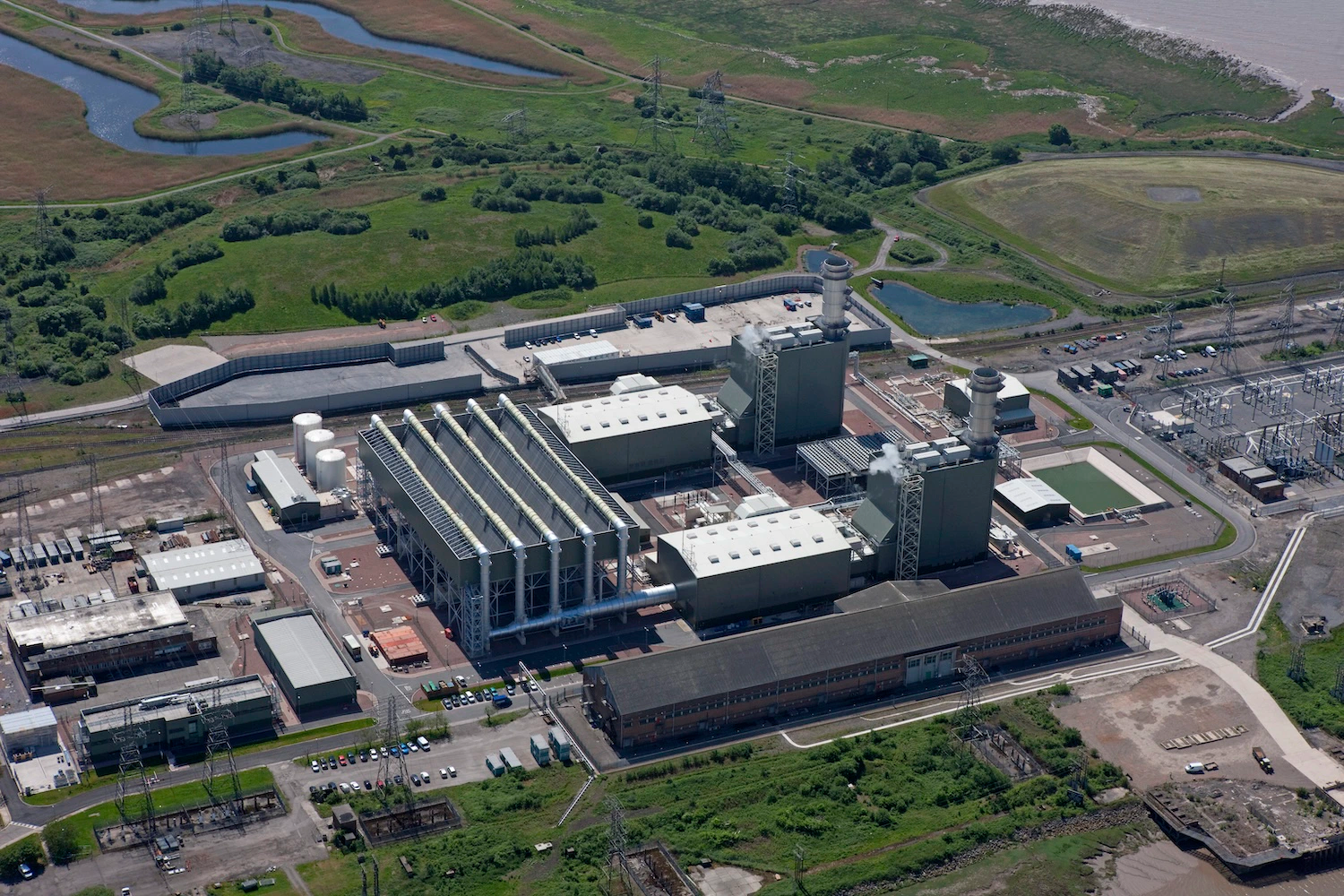
Centrica has completed the acquisition of the Severn combined-cycle gas turbine power station in South Wales from Calon Energy Group for approximately £370m.
The 850MW plant was commissioned in the fourth quarter of 2010 and comprises two 425MW units. Centrica describes Severn as one of a small number of strategic UK CCGT plants capable of delivering flexible power generation at scale. The acquisition brings the company’s UK and Ireland electricity generation capacity to 4GW, including 1GW of assets currently in planning and construction.
The asset can participate across several revenue streams, including the capacity market, critical system services to the National Energy System Operator, and wholesale power sales. Centrica expects average capacity market payments of £35m per year until 2030 and annual EBITDA of £30m to £60m from 2027. The transaction is being funded from existing cash resources on a cash-free, debt-free basis.
Severn is also located near growing power demand in South Wales, including potential data centre developments. That location strengthens the plant’s role in a region where firm generation, grid capacity, and new large loads are becoming closely connected.
Gas-fired generation remains part of the UK electricity system even as renewable capacity expands. Wind and solar output vary with weather conditions, while nuclear, storage, interconnectors, demand flexibility, and dispatchable thermal generation all contribute to balancing supply and demand. The operating challenge is to increase clean generation while maintaining system security during low-renewable periods, demand peaks, and network stress.
CCGT assets are increasingly judged by flexibility as much as annual output. A plant that can run when the system is tight, support balancing, provide capacity market availability, and respond to wholesale price signals may retain value even as average gas generation falls. The role of such plant is moving away from baseload operation and towards system support, peak cover, and residual dispatch.
The acquisition comes against a backdrop of transmission investment, grid connection reform, and flexibility procurement. IN Power recently examined the balancing question around National Gas’ summer outlook, highlighting the continuing interaction between gas infrastructure, power generation, and security of supply. While the electricity system is decarbonising, gas-fired plant remains linked to system resilience during low-renewable periods and demand stress.
Battery storage is taking on a larger share of short-duration flexibility. IN Power has also covered EDF’s optimisation deal for the Hams Hall battery project, one of the UK’s larger grid-scale storage schemes. Batteries can respond quickly and support intraday balancing, while CCGTs provide dispatchable capacity over longer periods where storage duration, market conditions, or system stress require sustained output.
The Severn transaction reflects a broader split in the flexible generation market. Storage, demand response, interconnectors, and grid-enhancing technologies are expanding quickly, while existing dispatchable plant remains part of the capacity mix. The operating profile of gas-fired generation will be shaped by how often it runs, the duration of dispatch, carbon costs, capacity market rules, and the pace at which lower-carbon firm capacity scales.
Data centre growth adds another pressure point. Large digital infrastructure loads can create concentrated demand growth in areas where the network was not built for rapid step changes. Firm generation located close to new load centres can hold additional system value, although long-term operation depends on emissions policy, market design, grid reinforcement, and the development of low-carbon dispatchable alternatives.
Severn gives Centrica another large flexible asset at a time when the UK system is increasing renewable output while maintaining security of supply. The plant’s future value will be shaped by capacity market rules, balancing requirements, gas prices, carbon costs, demand growth, and the speed of investment in alternative sources of flexibility.
Centrica’s full announcement is available through its Severn power station acquisition page.