IN Brief:
- UK solar capacity reached 22.1GW at the end of March 2026, across more than two million installations.
- March recorded more than 27,000 installations, the highest monthly deployment level since 2012.
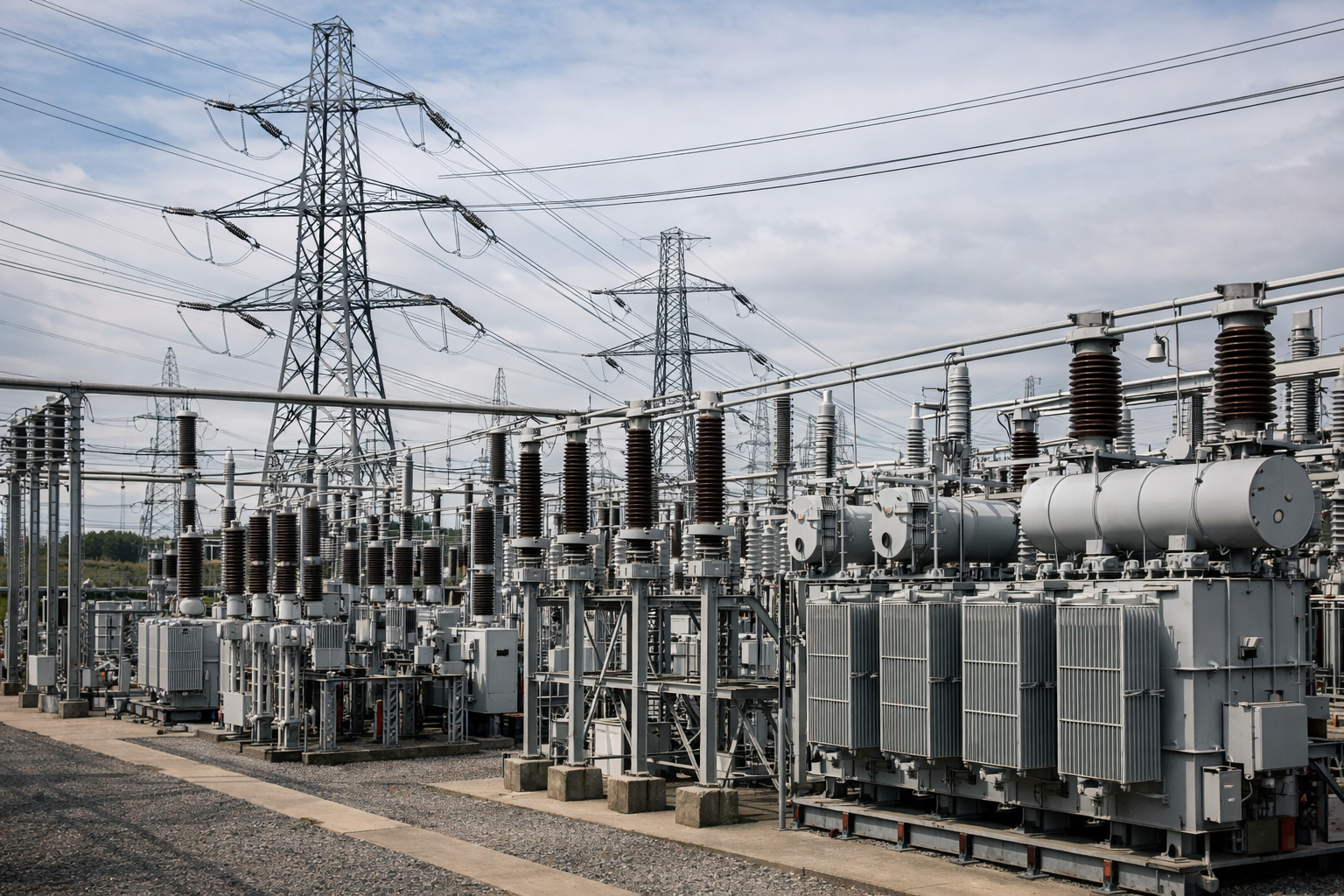
- Rooftop solar, ground-mounted generation, export arrangements, and distribution network capacity are becoming increasingly interdependent.
Department for Energy Security and Net Zero data shows UK solar installations passed two million at the end of March 2026, with total installed capacity reaching 22.1GW.
The provisional figures put the number of UK solar installations above two million across solar farms and rooftop systems. March 2026 recorded more than 27,000 installations, the highest monthly installation total since 2012. Over the 12 months to the end of March, deployed capacity increased by 2.3GW, representing growth of 11.7%.
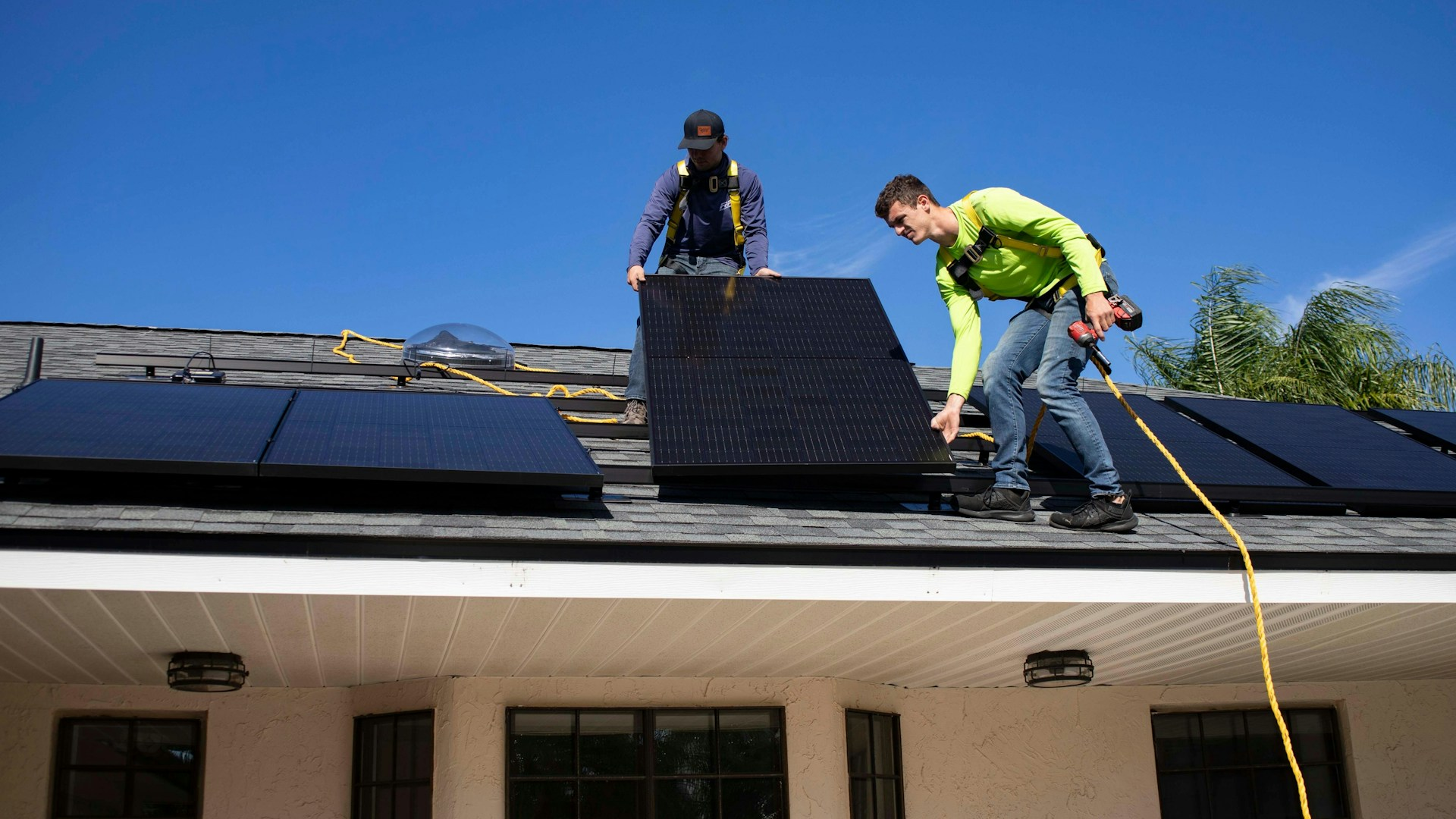
Large-scale projects continue to account for a major share of generating capacity, while small-scale systems dominate installation numbers. Arrays below 50kW represent almost all installations by volume and a substantial share of total deployed capacity. Residential systems accounted for around two-thirds of March installations, driven by rooftop demand and the wider market for small-scale generation.
The growth has been supported by energy price pressure, policy support, export payments, and the maturation of the rooftop installation market. MCS certification data shows that small-scale certified installations have returned to levels not seen since the closure of the feed-in tariff to new applicants. MCS certification is not mandatory for rooftop solar, but it provides a route to the Smart Export Guarantee, allowing exported electricity to be paid for by suppliers.
Large-scale deployment has also contributed to the annual increase. Utility-scale solar farms are adding substantial blocks of capacity, while rooftop installations are increasing the number of generation points connected at low voltage and distribution level. The result is a solar market that is expanding from both ends of the system at once.
The solar milestone comes as Britain’s power system adapts to higher daytime renewable output. Solar generation has already begun to reshape operational patterns during bright, low-demand periods, creating greater need for export capacity, storage, demand-side flexibility, and active local network management. The effect is particularly visible on distribution networks, where rooftop PV, batteries, EV chargers, and heat pumps can all sit behind the same low-voltage infrastructure.
The headline installation count only tells part of the story. Higher rooftop penetration changes voltage management, reverse power flow risk, protection settings, phase balancing, and export limitation requirements. It also increases the value of smart inverters, domestic and commercial battery systems, and connection processes that can handle higher volumes without delaying routine applications.
For the wider grid, solar deployment increases the need to coordinate generation, consumption, and storage across different voltage levels. Midday output can reduce wholesale demand and fossil generation, while evening demand still requires dispatchable generation, storage discharge, or flexible consumption. The value of solar increasingly depends on the surrounding system: batteries, export arrangements, digital controls, and networks with enough headroom to absorb distributed output.
Policy is pushing solar into new buildings, public-sector estates, social housing, and community schemes, while large ground-mounted projects continue to move through planning and grid connection processes. Solar is becoming a recurring electrical package across homes, commercial buildings, public infrastructure, and utility-scale projects, with the next stage of growth tied closely to distribution capacity and storage deployment.
The government’s solar deployment update is available through DESNZ.