IN Brief:
- OEUK says the UK needs around 5GW of offshore wind deployment each year to remain on track for clean power targets.
- Current progress would take the UK to just over 30GW by 2030, compared with a planned 43GW.
- Grid upgrades, auction design, supply chain capacity, and project certainty remain central to offshore wind delivery.
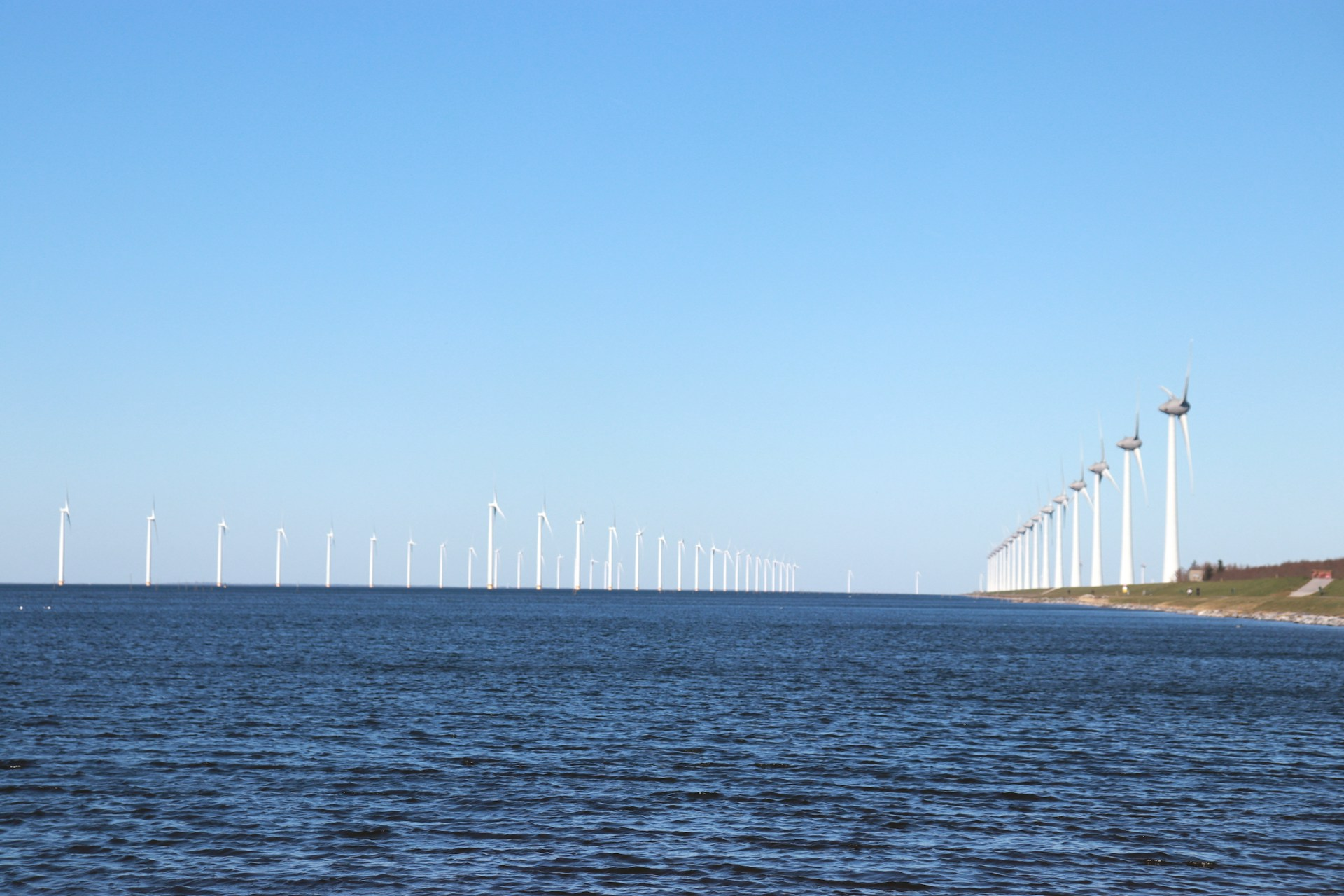
Offshore Energies UK has called for Britain to deliver around 5GW of offshore wind capacity each year between 2026 and 2030, warning that current deployment rates would leave the country short of its clean power target.
The trade body says the UK is on course to reach just over 30GW of offshore wind by 2030 under the present rate of progress, compared with the planned 43GW. It is calling for annual renewables auctions to support at least 5GW of offshore wind capacity a year and for the next auction round to award up to 7GW, giving projects and supply chains a clearer forward pipeline.
OEUK has also called for clearer deadlines, stronger accountability for grid companies, and compensation arrangements where projects are delayed. Planned grid upgrades need to be delivered in time for offshore wind projects already in development to connect and export power at scale. Delays at the transmission interface can leave advanced projects exposed, even where turbine supply, marine operations, and construction plans are progressing.
The 5GW annual requirement is demanding but closely tied to the engineering realities of the sector. Offshore wind deployment requires turbines, foundations, array cables, export systems, offshore substations, port capacity, vessels, grid connections, planning approvals, and specialist labour to align across multi-year project cycles. A stop-start auction profile makes that more difficult because manufacturers, ports, marine contractors, and electrical supply chain companies cannot invest confidently against irregular demand.
The UK has built one of the world’s largest offshore wind markets, but the next stage involves larger projects, more complex grid reinforcements, and tighter competition for global supply chain capacity. High-voltage equipment, export cables, converter systems, installation vessels, and skilled commissioning teams are all subject to international demand as Europe, Asia, and North America accelerate offshore wind programmes.
Grid availability is one of the most acute constraints. Offshore wind farms can only contribute to clean power targets when their output can be transmitted from coastal landing points and offshore hubs to demand centres. As wind capacity grows, the transmission system must handle larger north-to-south and east-to-west flows while managing constraint costs and system stability. New offshore generation depends on project-level electrical design and strategic network reinforcement moving at the same pace.
Steady annual auctions would support investment in factories, ports, vessels, training, and grid equipment. Irregular auctions leave the same supply chain underused in one period and overstretched in the next, raising project risk and increasing the chance that UK schemes lose manufacturing and installation capacity to other markets.
OEUK’s Wind Insight material also links offshore wind delivery to the skills base built around the North Sea. Subsea engineering, marine operations, heavy construction, project management, and health and safety systems developed in oil and gas remain relevant to offshore wind buildout. The transition depends on retaining that capability while shifting more work into renewable generation, grid infrastructure, and associated electrical systems.
The offshore wind pipeline will only convert into operational capacity if auction volumes, planning decisions, grid reinforcement, port investment, and supply chain capacity are aligned. The UK’s clean power target is therefore becoming a delivery test for the wider electrical infrastructure base, not simply a measure of generation ambition.
OEUK’s statement and Wind Insight material are available through Offshore Energies UK.