IN Brief:
- Qualitas Energy has obtained permits for two German onshore wind projects totalling 59MW.
- The portfolio includes a 20.4MW wind farm in Rhineland-Palatinate and a 39MW repowering project in Lower Saxony.
- The projects form part of a German development pipeline exceeding 3GW at late-stage development.
Qualitas Energy has obtained permits for 59MW of onshore wind capacity across two projects in Germany, adding to its renewable energy development pipeline in the country.
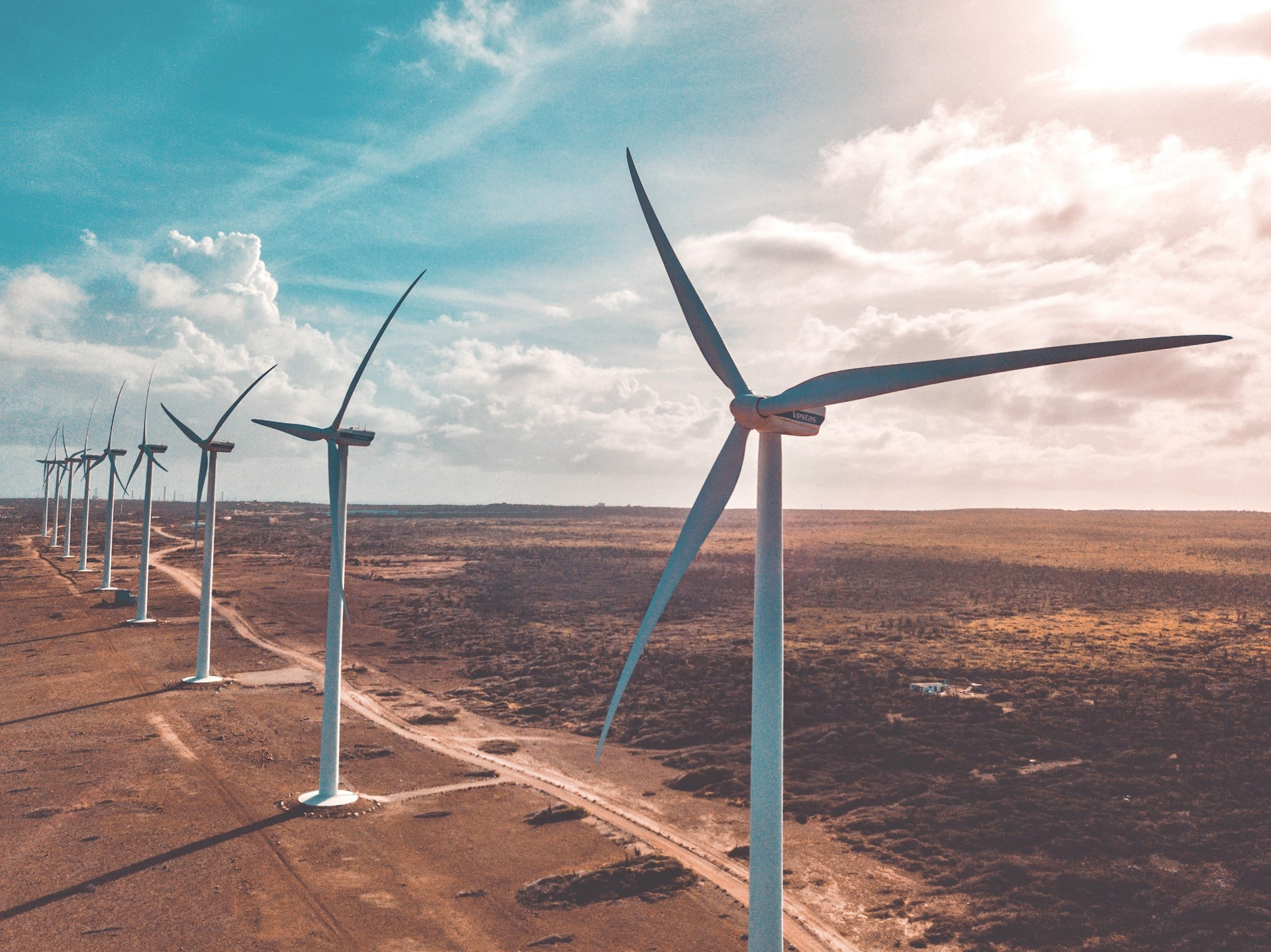
The approved projects are located in Rhineland-Palatinate and Lower Saxony and comprise 10 wind turbines in total. The Rhineland-Palatinate project will use three turbines rated at 6.8MW each, providing 20.4MW of new wind capacity. The Lower Saxony project is a 39MW repowering scheme, replacing five older turbines with seven higher-capacity units.
The two projects are expected to generate enough renewable electricity to supply more than 39,000 households annually once operational. The permits add to Qualitas Energy’s German portfolio, where the company has more than 3GW in late-stage development and more than 1GW of projects already under construction or operational.
The repowering element reflects an increasingly important route for capacity growth in mature wind markets. Germany has a large installed base of older onshore turbines, many occupying sites with strong wind resources and existing grid relationships. Replacing legacy machines with larger, more efficient turbines can raise output without requiring an entirely new project footprint.
Repowering is not a simple equipment swap. It can involve new foundations, revised grid connection arrangements, updated environmental assessments, transport planning for larger components, and changes to turbine spacing and noise profiles. Even with those requirements, it can offer a faster route to capacity growth than greenfield development where land availability, local acceptance, and permitting constraints remain difficult.
Germany’s energy transition depends heavily on faster renewable deployment while maintaining system stability and managing grid congestion. Onshore wind remains a core generation technology, but development has often been constrained by planning complexity and regional permitting differences. Recent reforms have sought to accelerate approvals, while project delivery still depends on engineering, community processes, grid availability, and supply chain capacity.
The Lower Saxony project reflects a broader shift in established European wind markets. As early-generation assets approach the end of their design or subsidy life, owners are assessing repowering as a way to raise production from existing locations. Higher hub heights, larger rotor diameters, improved controls, and stronger grid interfaces can materially increase annual energy yield, even where turbine numbers remain flat or increase only modestly.
Repowering can strengthen output from established sites, but it also requires careful network assessment. Existing connection points may be able to support additional production, while higher peak capacity can require revised export limits, curtailment management, or reinforcement. Growth in repowered wind therefore needs to be coordinated with wider grid planning, especially in regions where renewable generation already exceeds local demand at certain times.
Qualitas Energy’s latest permits show Germany’s wind buildout moving on two tracks: new project development where suitable land and grid access are available, and repowering where older assets can be upgraded. Both routes will be needed if renewable generation targets are to become delivered capacity rather than planning intent.