IN Brief:
- Trant Engineering has secured a place on National Grid’s dynamic market framework for major civil engineering works at UK substations.
- The framework covers construction and upgrade activity across live transmission environments, including works valued at more than £5 million.
- The appointment adds contractor capacity to the UK grid reinforcement programme as electricity demand and connection requirements increase.
Trant Engineering has been appointed to National Grid’s dynamic market framework for major civil engineering works at substations across the UK.
The framework has been created to support substation construction and upgrade works across the transmission estate. Trant has been selected for the Major Civils workstream, covering larger construction packages valued at more than £5 million.
In total, 13 contractors have been named across the framework, with Trant among nine companies appointed nationally to the major civils category. The package forms part of National Grid’s wider effort to streamline procurement and increase delivery capacity for electricity infrastructure.
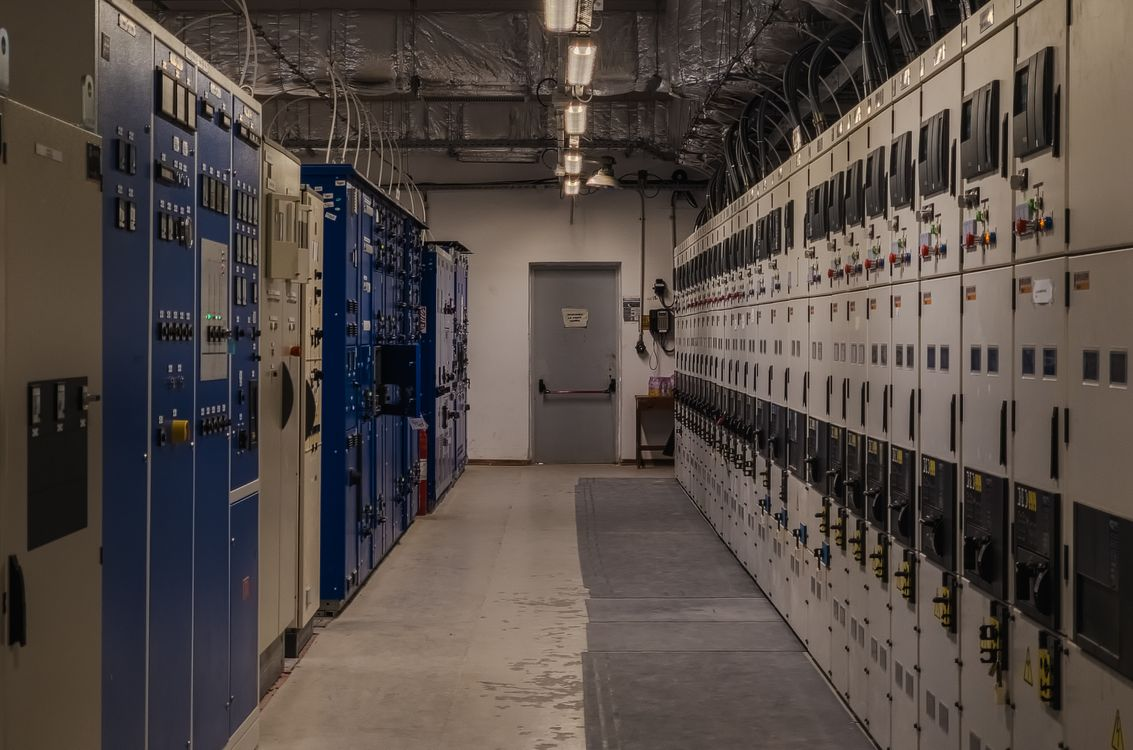
The appointment builds on Trant’s work in regulated energy environments, including live substation sites where civil engineering activity must be coordinated around operational assets, safety controls, access restrictions, and outage planning. Work of this type requires close integration between civil design, programme management, site logistics, and electrical interfaces.
Substation delivery has become a more visible constraint in the UK power system as transmission reinforcement, renewable generation connections, battery storage schemes, demand projects, and distribution network upgrades converge on the same specialist supply chain. Civil works set the pace for foundations, buildings, access roads, cable routes, bunding, drainage, and equipment installation areas before electrical assembly and commissioning can proceed.
National Grid’s framework approach reflects the move towards larger delivery pipelines for transmission infrastructure. Substation programmes are increasingly being structured around repeatable design, earlier contractor mobilisation, and clearer visibility of future work. That model is becoming more prominent as the UK enters a period of accelerated network build to support offshore wind, new interconnectors, grid-scale storage, electrified industry, data centres, and transport infrastructure.
The framework also highlights pressure on skilled civil and electrical construction resources. Substations are complex construction environments, particularly where new assets must be built within or adjacent to live high-voltage sites. Site teams must manage heavy equipment movements, temporary works, buried services, earthing systems, access constraints, and programme dependencies with network operators, OEMs, and protection and control specialists.
Long-term grid frameworks give contractors better visibility of upcoming work and can support investment in specialist teams, plant, training, and project controls. Network operators gain a more structured route to market at a time when grid delivery is under scrutiny from government, regulators, developers, and large energy users.
Trant’s appointment strengthens its position in the UK energy infrastructure market and places the company within one of the most active areas of electricity network investment. As transmission reinforcement expands, safe and predictable delivery inside live substation environments will remain one of the practical tests of the UK’s grid build-out programme.