IN Brief:
- The L&G NTR Clean Power Fund has acquired the Fair Oaks solar and battery project in Nottinghamshire.
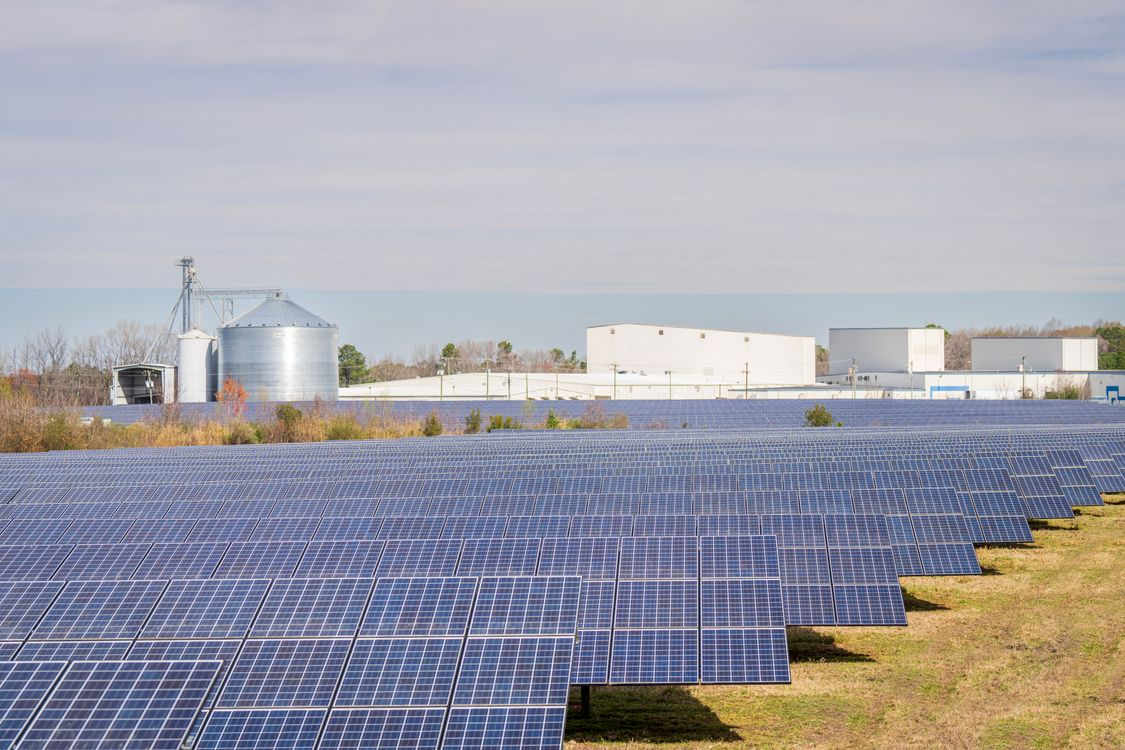
- The ready-to-build scheme combines 75.4MWp of solar PV with a 49.9MW / 99.8MWh BESS.
- The project has planning consent, a grid connection offer, and a Contract for Difference in place.
L&G NTR Clean Power (Europe) Fund III has acquired Fair Oaks Renewable Energy Park, a ready-to-build hybrid solar and battery project in Nottinghamshire.
The project comprises 75.4MWp of solar PV and a 49.9MW / 99.8MWh battery energy storage system. Fair Oaks was developed by Ridge Clean Energy, which will continue to work with the fund to deliver the scheme and support the local community through the next stage of development.
The project has secured planning consent, a grid connection offer, and a Contract for Difference. Construction is expected to begin in 2026, with commercial operation targeted for early 2028. The combination of consent, grid access, and revenue support gives the scheme a clearer route to construction than earlier-stage renewable developments still working through connection and planning risk.
The hybrid design allows the site to store excess generation and export when system conditions are more favourable. That can improve the use of available grid capacity and provide additional services to the electricity system, depending on the operating model and market participation strategy adopted once the asset is live.
Fair Oaks follows a wider movement in UK renewables development towards grid-aware asset design. Solar projects are increasingly being structured with co-located storage to manage intermittency, strengthen the commercial case for constrained grid connections, and create additional revenue opportunities beyond wholesale export.
The UK’s solar pipeline has expanded rapidly, but project delivery is now governed by connection dates, local network capacity, planning scrutiny, equipment availability, and bankable revenue structures. A CfD-backed solar project with co-located storage brings several of those elements together in a form that is more attractive to institutional capital.
The battery element gives the project a stronger role in a power system with rising renewable generation. Batteries can respond quickly to price signals and operational requirements, supporting balancing, frequency response, wholesale optimisation, and local constraint management. The value of those services will depend on market conditions, network arrangements, and the technical configuration of the asset.
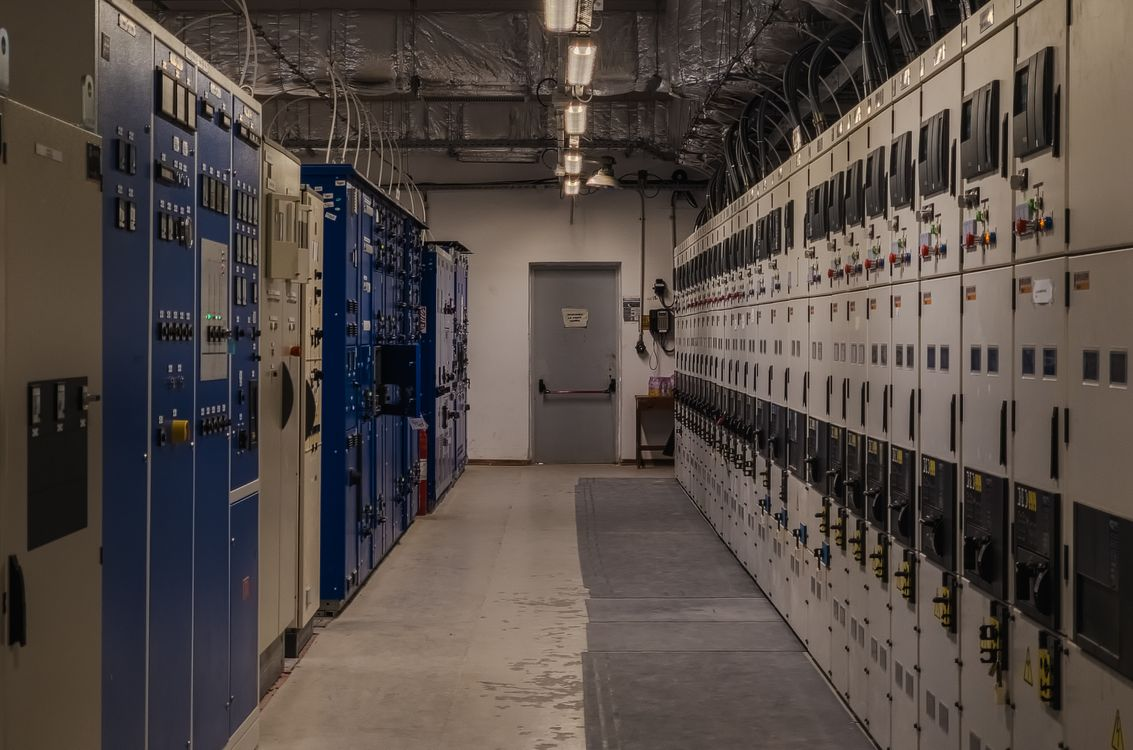
Hybrid projects also place greater emphasis on electrical design and grid interface engineering. The connection offer defines the export route, but co-located storage creates additional requirements around metering, control systems, protection, grid code compliance, and operational coordination between generation and battery assets.
The acquisition adds another UK asset to the L&G NTR Clean Power Fund with both renewable generation and storage characteristics. It also continues the movement of institutional investment into projects that are beyond speculative development but still require disciplined procurement, construction, commissioning, grid compliance, and market entry.
Fair Oaks is now positioned to move from development into execution. Its progress will form part of the wider test facing the UK renewables sector: converting consented, grid-backed hybrid projects into operational assets quickly enough to support the electricity system’s changing demand and generation profile.