IN Brief:
- Stellium’s Newcastle campus is using a 100% renewable, hourly matched electricity supply rather than annual certificate balancing.
- The site has reached a 95.4% hourly matching score and plans to add large-scale battery storage to lift that toward 97–98%.
- The move lands as data-centre demand rises sharply in Britain and network regulators reshape connection rules for large new loads.
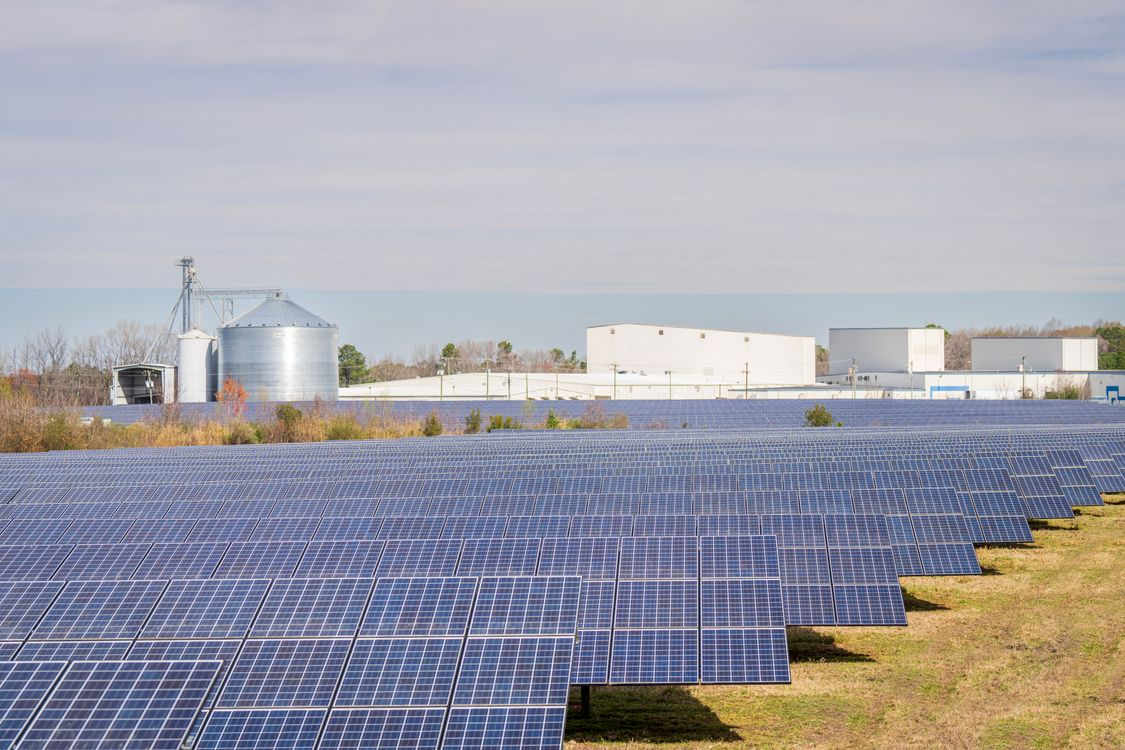
Stellium has moved its Newcastle data-centre campus onto an hourly matched renewable electricity model, aligning demand with real-time generation rather than relying on annual balancing through certificates. The arrangement is being delivered with Good Energy and links consumption to output from more than 3,300 independent UK renewable generators. Stellium said the change has reduced carbon emissions by 75% and given the site a reported hourly match score of 95.4%.
The model changes the way renewable supply is accounted for at a large electrical load. Instead of treating renewable sourcing as a yearly volume exercise, hourly matching compares when electricity is consumed with when renewable generation is actually available. That produces a more precise picture of system use and avoids some of the distortions created by annual certificate-based approaches, where renewable attributes can be bought across time without showing whether a site’s demand coincides with low-carbon generation in practice.
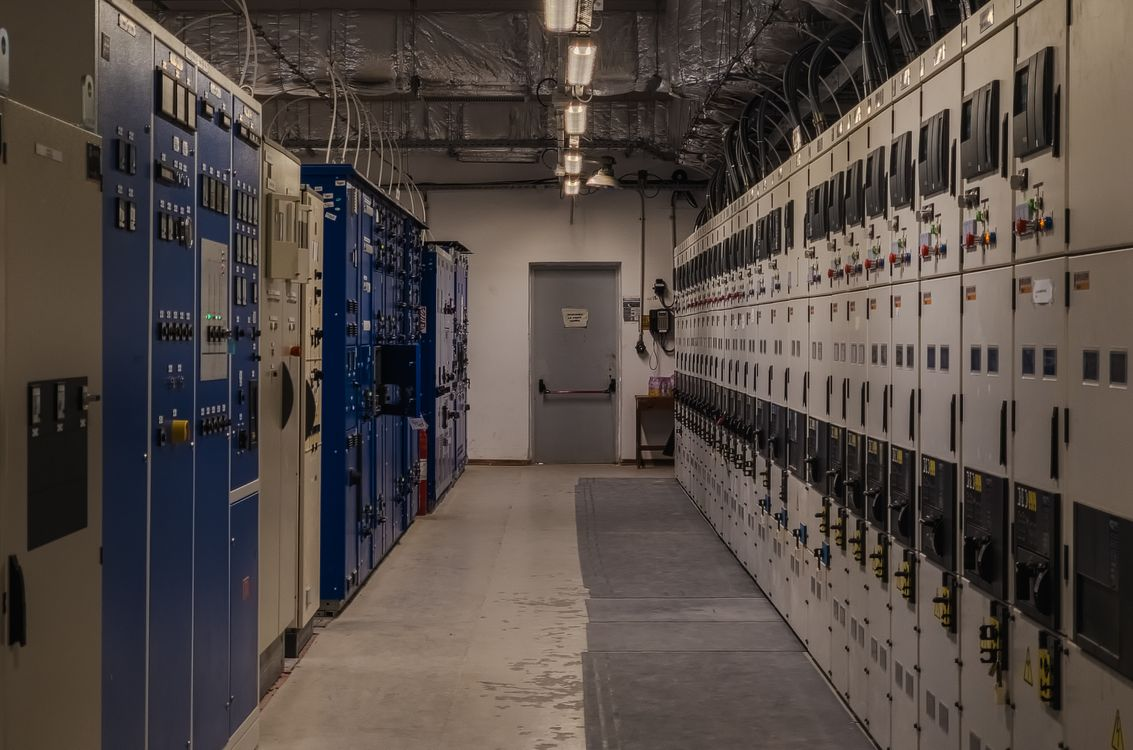
Stellium’s campus gives the approach weight beyond a small-scale procurement exercise. The Newcastle site already has 80MW of renewable power available, is designed to scale to 180MW, and is linked directly to the 275kV National Grid. It is also targeting AI and high-performance computing workloads, two areas driving much of the current debate around data-centre electricity demand. Large digital loads are now being assessed not only on their total capacity requirements, but on how they interact with the grid across time, location, and flexibility. A site of this size adopting hourly matching begins to connect procurement language more directly to operational reality.
Battery storage is intended to push the model further. Stellium plans to add large-scale storage to raise its hourly matching score to between 97% and 98%, allowing the campus to smooth the gap between generation availability and consumption patterns. Storage does not eliminate the need for firm network capacity, but it does improve the way variable renewable supply can be used on site and can reduce reliance on unmatched imports during periods of lower renewable output. That is likely to become more relevant as large digital infrastructure projects are asked to show greater transparency over their electricity use and connection profiles.
The wider policy setting is shifting quickly. Ofgem has identified around 140 data centres in the UK connection queue seeking approximately 50GW of capacity, with a significant share already reporting financial commitment. That has pushed demand-side projects into the centre of the connections debate, alongside longstanding issues around speculative applications, grid readiness, and project sequencing. As more large loads seek access to the network, power procurement models that show when demand is matched, shifted, or backed by storage will carry more weight in discussions around electricity system efficiency and carbon performance.
Hourly matching is unlikely to become the only standard applied to major loads, but it is gaining ground because it reflects the real shape of a more variable power system. Renewable penetration is rising, constraint costs remain a live issue, and the timing of demand matters more than it did in a system built around conventional generation. In that environment, a large data-centre campus with high-voltage access, time-based sourcing, and planned battery support looks closer to the emerging model for energy-intensive digital infrastructure than the older approach of annual renewable matching alone.