IN Brief:
- Fred. Olsen Seawind is taking full ownership of the Muir Mhør floating offshore wind project through a share sale from Vattenfall.
- The project remains on schedule, subject to remaining development consents, including offshore consent, and is aimed at an early allocation round.
- Muir Mhør sits within Scotland’s wider offshore wind pipeline, with ScotWind projects expected to help underpin a much larger buildout to 2040.
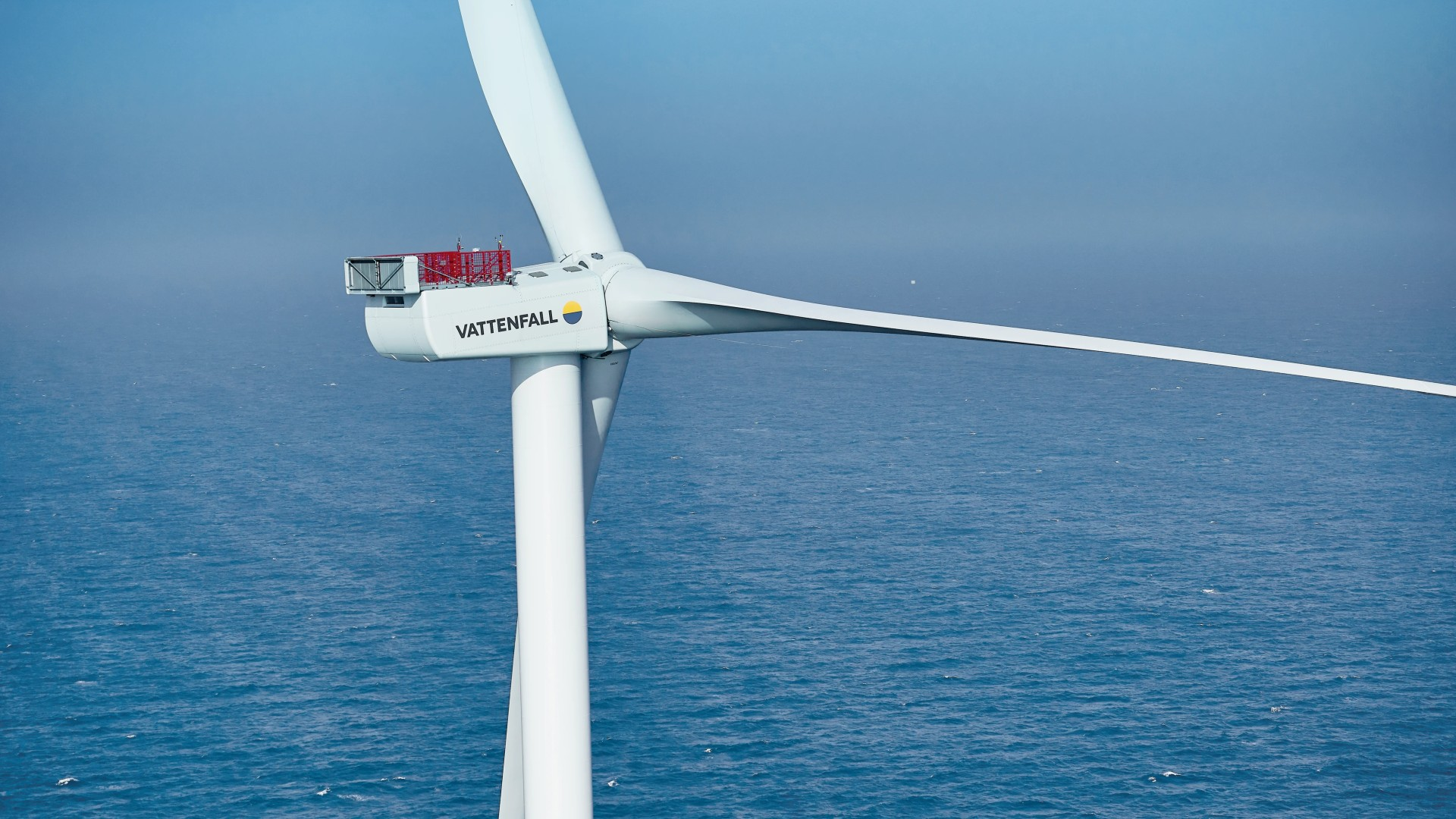
Fred. Olsen Seawind has agreed to take full ownership of the Muir Mhòr floating offshore wind project, with Vattenfall exiting through a share sale subject to approval by Crown Estate Scotland. Development work will continue on the current schedule while the remaining consents are secured, including offshore consent, with the project being prepared for entry into a future allocation round.
Muir Mhòr is located around 63km east of Peterhead and is among the more advanced floating wind developments to emerge from the ScotWind leasing round. Seabed rights were awarded in 2022, and the project secured onshore consent in 2025. The next stage centres on completing the remaining approvals and preserving momentum into the commercial mechanisms that will determine which floating projects move from early development into construction. In that respect, the ownership change arrives at a practical point in the project cycle, when clarity around development control can simplify the route through consenting, procurement preparation, and bid strategy.
The scheme remains one of the more significant floating wind assets in the Scottish pipeline. Floating projects carry a different set of engineering and supply chain requirements from fixed-bottom offshore wind, particularly around moorings, anchors, dynamic cabling, fabrication, tow-out logistics, and port infrastructure. Those requirements have kept close attention on which projects are likely to form the first commercial wave. Muir Mhòr has consistently sat near the front of that group, and continuity in its development path keeps that position intact.
Scotland’s offshore wind ambitions provide the wider frame. The Scottish Government has set out plans for up to 40GW of offshore wind by 2040, while public funding is being directed toward ports, manufacturing capability, and other infrastructure needed to support larger build volumes. That pipeline includes both fixed-bottom and floating developments, but floating wind carries particular strategic weight because it opens access to deeper-water sites and a broader offshore resource. It also places greater pressure on local industrial readiness. Ports, fabrication yards, marine contractors, and cable specialists are all being drawn into a market that is still establishing its first repeatable commercial model at scale.
Ownership changes are not unusual in offshore development, especially as projects move between leasing, consenting, and commercial qualification. In a market that has already seen delays, repricing, and portfolio reshuffles, what matters is whether the underlying scheme continues to progress. Muir Mhòr remains active, retains its development timetable, and continues to move through the remaining approvals required to reach the next stage. That keeps it in the narrow group of floating wind projects that are far enough advanced to shape how the UK’s first large-scale commercial deployments take place.
The next phase will be defined by execution rather than concept. Consents, route-to-market timing, supply chain commitments, and grid interface work now carry more weight than broad declarations of market ambition. Muir Mhòr’s position in the pipeline, its location off the east coast of Scotland, and its place within the ScotWind portfolio ensure it will stay closely watched as floating wind shifts from demonstration and early development into the harder business of commercial delivery.