IN Brief:
- Hitachi Energy and Ørsted have agreed a strategic partnership covering integrated onshore and offshore electrical solutions.
- The arrangement focuses on standardisation, modularisation, tender efficiency, and lifecycle support to reduce lead times and project costs.
- Offshore wind developers and suppliers are moving towards more repeatable delivery models as cost pressure and supply-chain strain continue.
Hitachi Energy and Ørsted have entered into a strategic partnership covering integrated onshore and offshore electrical systems for large-scale offshore wind projects, formalising a delivery model built around standardisation, modularisation, and longer-term coordination.
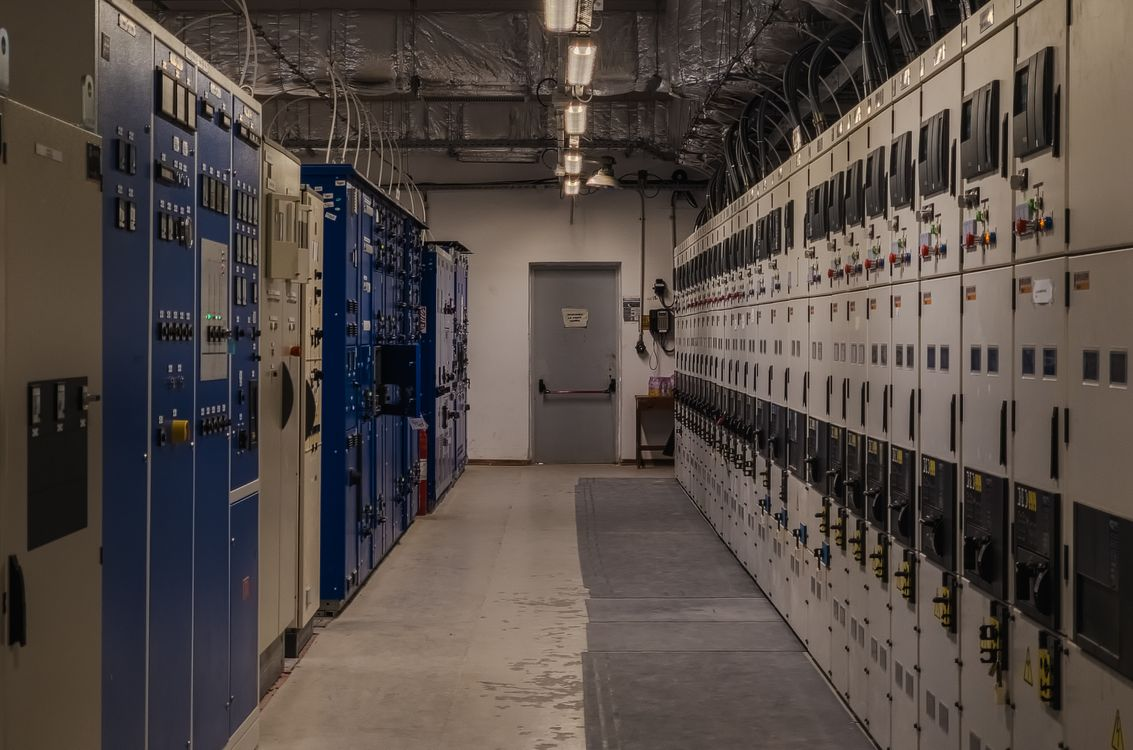
The partnership spans project planning, tendering, execution, and lifecycle support. It is intended to reduce lead times and lower delivery costs across electrical packages that now account for a substantial share of offshore wind complexity. These systems include offshore substations, onshore grid interfaces, high-voltage equipment, and the associated engineering and service requirements needed to bring large projects into operation.
Electrical systems have moved to the centre of offshore wind execution. Turbine ratings have increased, projects have expanded in size, and wind farms are being developed further from shore, raising the scale and technical demands of substations, export systems, protection architecture, and grid connection design. At the same time, the sector has been operating under inflationary pressure, longer lead times for key components, and tighter contractor capacity across several European markets.
In that environment, repeatability has become a commercial and engineering objective in its own right. A more standardised approach can reduce redesign, improve procurement visibility, and support more predictable manufacturing and installation schedules. It also gives suppliers a clearer basis for allocating engineering resources and capacity across multiple projects.
The partnership between Hitachi Energy and Ørsted points in that direction. Rather than structuring each scheme around a largely bespoke electrical package, the agreement supports a programme-based approach in which interfaces, design logic, and service arrangements can be carried from one project to the next. That does not remove project-specific requirements, but it narrows the amount of variation that has to be managed each time.
The offshore wind sector has been moving gradually towards that model. Earlier growth was driven by pushing individual projects to larger capacities, often with significant design tailoring. The current challenge is different. Developers are now trying to scale delivery while bringing greater discipline to cost, schedule, and risk. Suppliers, in turn, are seeking more dependable order visibility to justify investment in facilities, engineering teams, and long-lead equipment production.
Ørsted’s own recent strategy has placed greater emphasis on disciplined capital deployment and on markets where offshore wind remains central to its long-term portfolio. Strategic supplier relationships fit that approach, particularly where grid integration and electrical scope have become harder to manage through one-off procurement cycles alone.
The technical weight of the agreement extends well beyond construction. Decisions around substation configuration, transformer selection, switchgear architecture, interface standards, and service planning influence the project long before offshore installation begins. Those choices shape tender structure, manufacturing timing, logistics, and operational support over the full life of the asset.
Offshore wind still faces broader challenges that no single partnership can resolve. Financing costs remain elevated, component supply is uneven, vessel availability is constrained, and regulatory frameworks differ sharply across markets. Even so, large developers and major equipment suppliers are building more structured delivery relationships around the areas where cost escalation and programme slippage have been most acute.
That makes the electrical package one of the clearest places to impose order. As offshore wind becomes more industrialised, system integration, procurement discipline, and lifecycle consistency are likely to carry more weight than first-of-a-kind engineering alone. The agreement between Hitachi Energy and Ørsted sits squarely within that shift.