IN Brief:
- Exergy3 has raised £10 million to scale thermal energy storage for industrial heat, grid balancing, and curtailed renewable electricity.
- The technology converts low-cost or surplus renewable power into stored heat for industrial processes at temperatures up to 1,200°C.
- The company plans to expand manufacturing, grow headcount, and open a Munich office as commercial rollout accelerates.
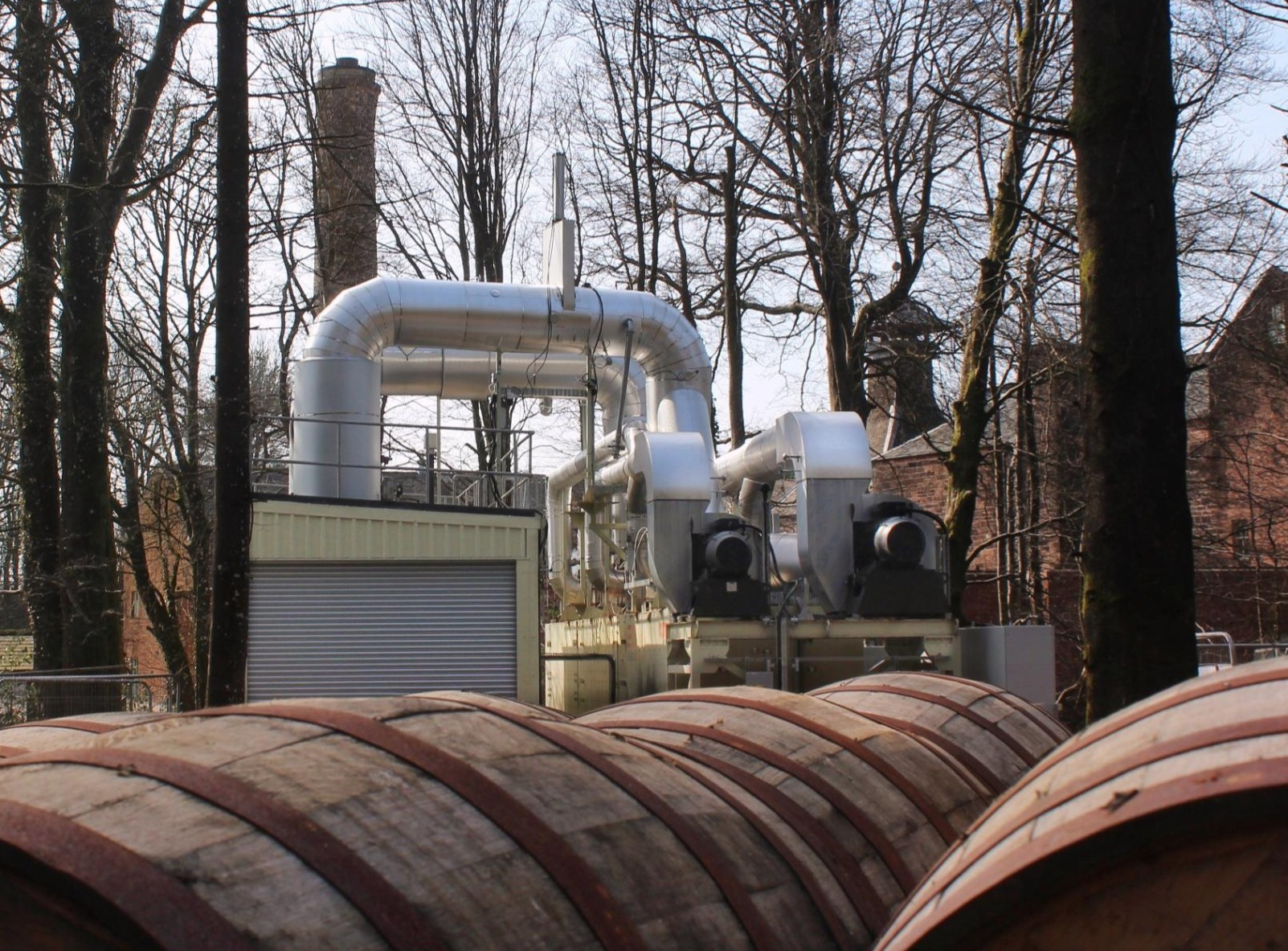
Exergy3 has raised £10 million in seed funding to move its industrial heat technology from pilot deployment toward commercial rollout. The Edinburgh company, a University of Edinburgh spinout, is developing thermal energy storage systems designed to convert renewable electricity into high-temperature heat for industrial processes, targeting an area of decarbonisation that remains difficult and capital-intensive across much of Europe.
The company said its system can deliver process temperatures from 50°C to 1,200°C, placing it in a part of the market where conventional low-temperature electrification is not sufficient. Industrial heat remains one of the most persistent emissions challenges in energy-intensive sectors because many processes require continuous, high-grade heat that has historically been supplied by fossil fuels. Electrification options exist, but the technical and commercial route varies sharply by site, temperature band, and process design.
The funding round was led by Axeleo Capital, with Bayern Kapital and Kibo Invest also participating, alongside existing investors Scottish Enterprise, Zero Carbon Capital, and Old College Capital. Exergy3 said the capital will support manufacturing scale-up, team expansion, and broader deployment across industrial sites. The company also plans to open a Munich office later this quarter, signalling a stronger push into Germany and the wider continental market.
Exergy3’s proposition is tied closely to current power system conditions. Renewable generation is being curtailed more frequently in some markets where network constraints or demand patterns prevent the system from absorbing available output economically. At the same time, industrial consumers remain exposed to fuel volatility and carbon pressures in process heat. Technologies that can convert surplus or low-cost renewable electricity into useful stored heat are therefore drawing attention both as decarbonisation tools and as flexibility assets linked to wider grid operation.
The company says its system is modular, compact, and suitable for direct heat or steam generation with limited infrastructure requirements. Those features are important for deployment in operating industrial environments, where floor space, outage windows, and integration complexity can determine whether a technology reaches commercial scale. Equipment that can be installed without wholesale redesign of a plant’s process layout is more likely to gain traction, particularly in sectors where operators are cautious about disruption to production.
Thermal storage is also starting to occupy a more prominent place in flexibility discussions that were once dominated by electrochemical batteries, peaking plant, and demand response. Industrial heat offers a different form of demand-side flexibility, particularly where stored heat can be charged during periods of low or negative electricity prices and then used later inside the production cycle. As renewable generation increases, that operating model becomes more attractive, especially in systems where balancing costs are rising and curtailment remains a recurring issue.
Europe’s industrial strategy adds another layer to the opportunity. Process heat is central to sectors that are hard to decarbonise and economically significant, yet many of those sectors need solutions that can be integrated incrementally rather than through complete plant replacement. Thermal storage fits that profile more closely than some alternatives, especially where industrial sites need to reduce fossil dependence while maintaining high-temperature reliability and operational continuity.
Exergy3’s next step is to prove that commercial deployment can match the promise of the pilot phase. Cost, operating performance, durability, and site integration will determine how quickly the technology moves into repeatable projects. The financing round gives the company the runway to test that proposition in a market where industrial electrification, curtailment management, and energy security are increasingly part of the same conversation. More information is available on Exergy3’s website.