IN Brief:
- RWE has withdrawn its proposed Butterfly solar-plus-storage project near Wrexham.
- The scheme was designed for 99.9MW of grid export capacity with on-site battery storage and a new 132kV substation.
- The decision underlines how grid access timing continues to shape renewable project viability even as connections reform moves forward.
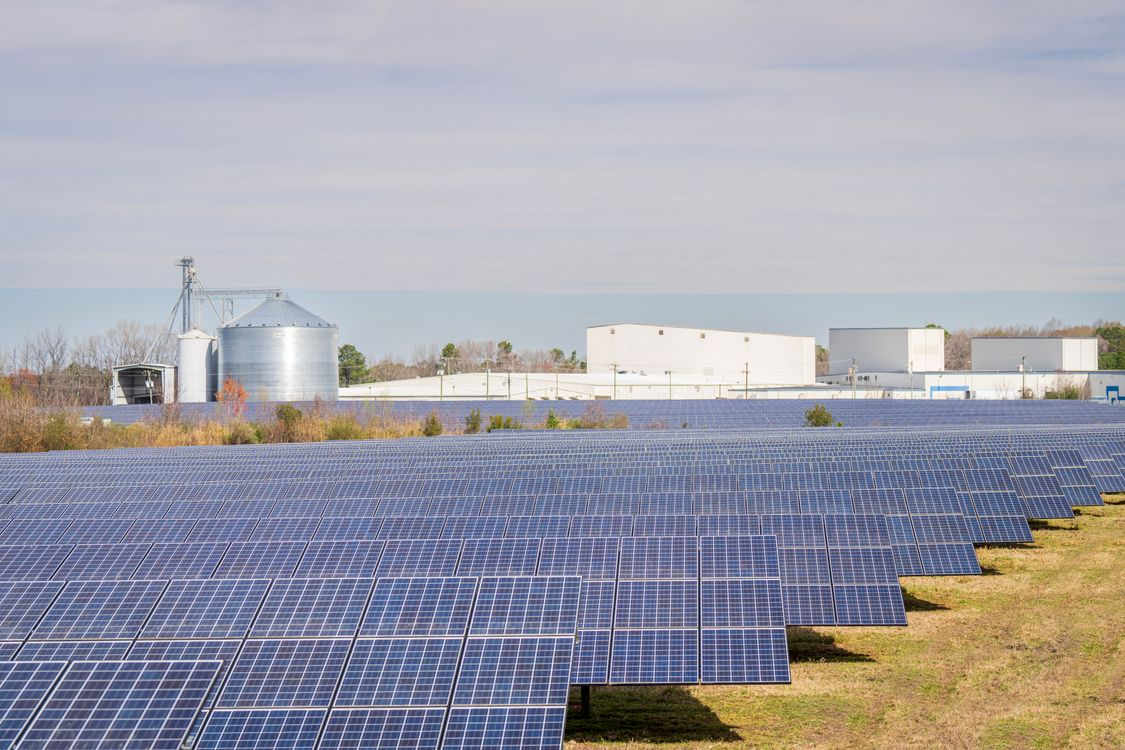
RWE has withdrawn plans for its Butterfly, or Glöyn Byw, solar-plus-storage project south of Wrexham after concluding that grid connection availability and overall project viability no longer supported development. The scheme had been designed as a large solar installation with integrated battery storage, positioned between Johnstown and Bangor on Dee and intended to export up to 99.9MW to the grid.
The proposal had already moved beyond the earliest planning stage. Project material set out three principal solar array areas, internal cabling between them, an on-site 132kV substation in the western array area, and an underground connection route to the Legacy substation. Battery storage formed part of the design from the outset, with the storage element intended to absorb surplus generation and discharge when required by the wider network.
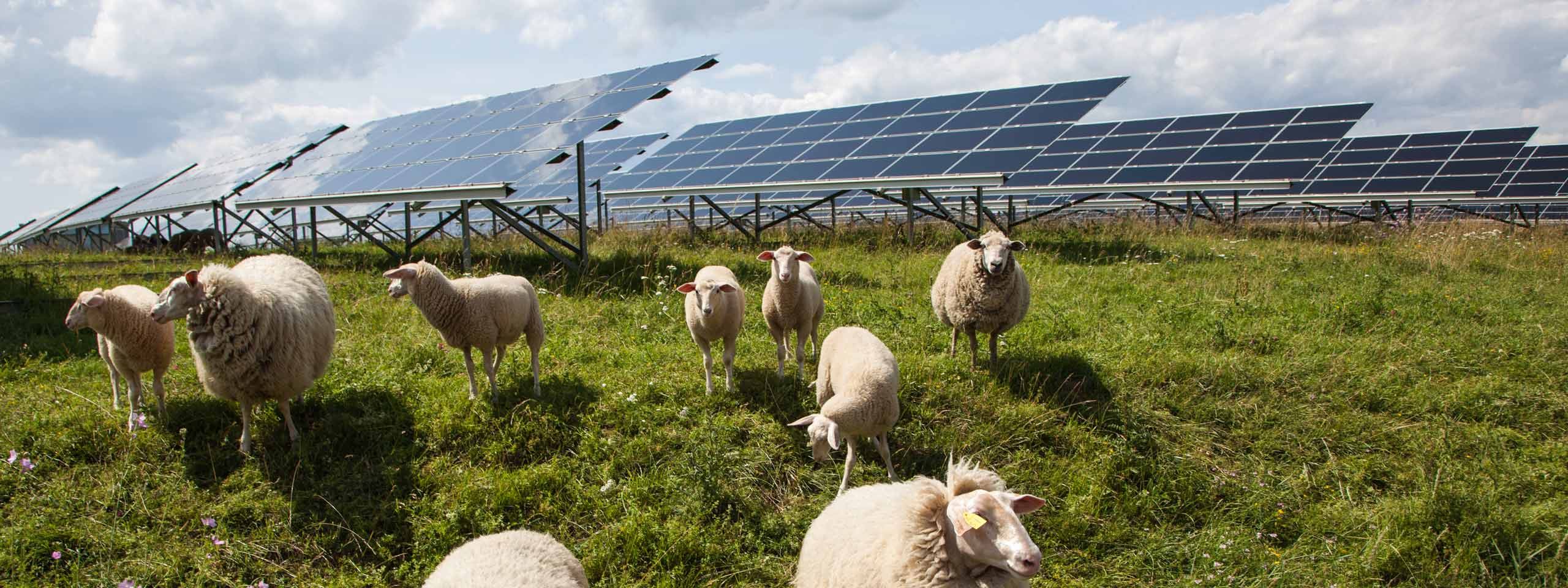
The development was expected to operate over a 40-year period, with consultation material stating that it could generate enough electricity to meet the equivalent demand of more than 34,000 Welsh homes. The plans also included biodiversity and landscape measures, new planting, permissive paths, and the continued use of parts of the site for grazing. Public consultation events were held locally during 2025 as the project team refined the scheme.
That work will now not progress in its present form, and the reason is as familiar as it is consequential. Grid access remains one of the hardest variables in British renewable development. Planning, land, environmental mitigation, and storage integration can all be brought into line, but a scheme can still fail if the connection timetable no longer supports a credible build programme and investment case. The Butterfly project is one of the clearest recent examples of that pressure surfacing at scheme level.
The timing is awkward because the wider policy direction has been moving towards faster, more selective connections. Ofgem’s TMO4+ decision is intended to clear speculative projects from the queue and prioritise those that are both ready and needed, while government and regulator updates have stressed that the revised queue contains enough capacity across major technologies to support 2030 ambitions. Yet queue reform at national level does not automatically resolve the conditions facing a specific project tied to a specific substation, route, and connection date. A scheme can still run into a commercial dead end long before the broader reform picture delivers practical relief.
That gap between system reform and project viability is becoming one of the defining features of the current market. Developers are increasingly being asked to build more robust proposals, pair generation with storage, and demonstrate a clearer route to delivery. In principle, Butterfly did much of that. The project was not a loose land option waiting for a future connection point. It had a defined grid export capacity, a planned 132kV substation, an identified route to the wider network, and an integrated storage component. Those are the features of a mature project, not a speculative placeholder.
The storage element is particularly relevant. Hybrid projects are often presented as part of the answer to network constraints, because batteries can improve dispatch flexibility, smooth export profiles, and reduce some operational bottlenecks. All of that is true within limits, but storage is not a substitute for a workable connection arrangement. It can strengthen a project technically and commercially, yet it still depends on an access framework that provides a sensible timetable and tolerable uncertainty. When that falls away, even relatively sophisticated hybrid schemes can unravel.
The broader implication is that the next phase of UK solar growth will depend as much on connection execution as on technology costs or planning support. Britain continues to need more large-scale renewable capacity, and co-located storage remains one of the more practical ways of improving network interaction. But the market still has to move from queue volume to deliverable capacity. Until that transition is more complete, some projects that look entirely credible in engineering terms will continue to drop out before they reach site.