IN Brief:
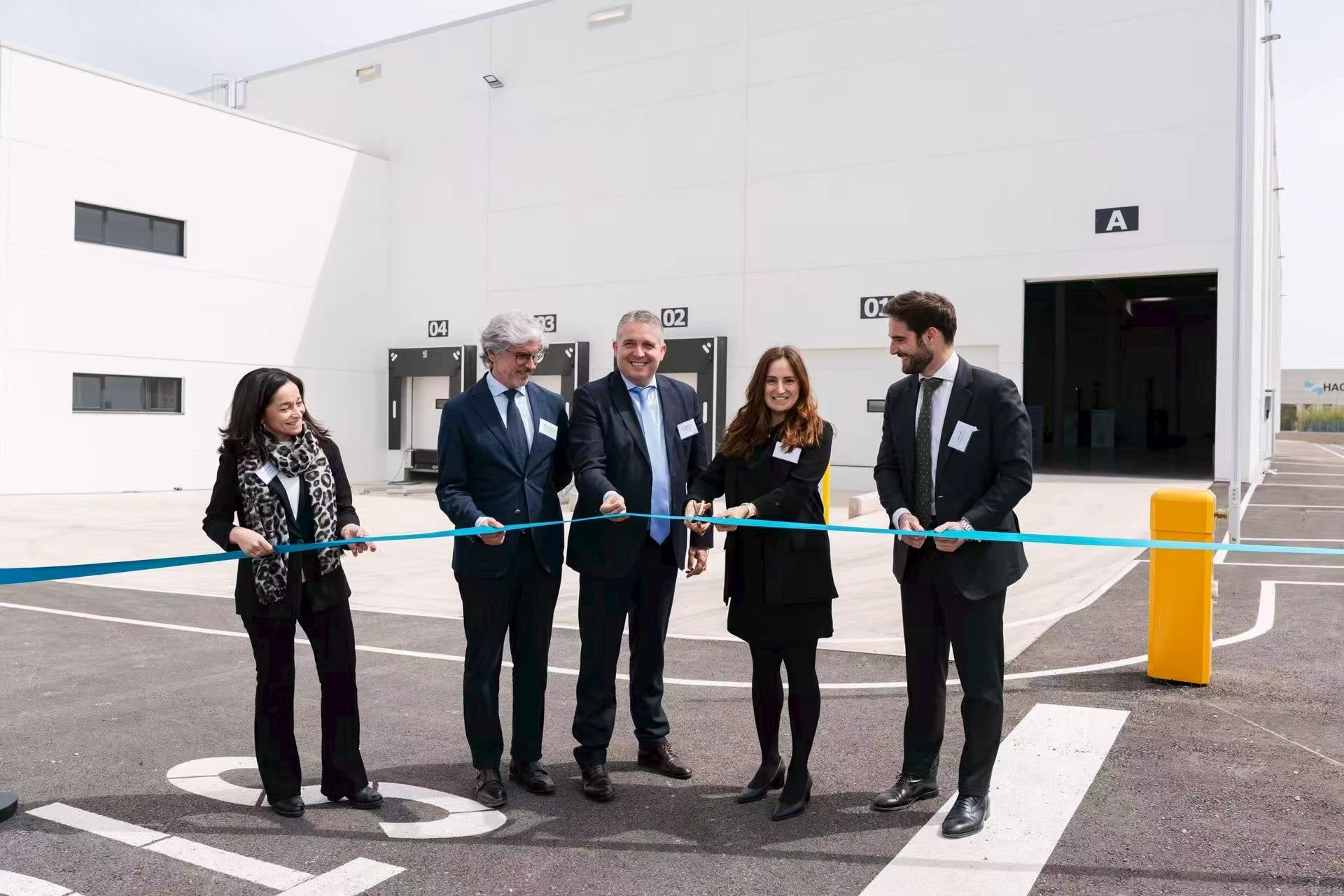
- XCharge has opened its first European assembly plant in Silla, near Valencia.
- The site will assemble battery-backed charging systems including GridLink, which pairs high charging output with low grid draw.
- The move reflects rising demand for charging infrastructure that can work around reinforcement delays and weak local connections.
XCharge has opened its first European assembly plant in Silla, near Valencia, adding regional production capacity for battery-integrated charging hardware as the market looks for faster ways to deploy high-power infrastructure on constrained electrical connections.
The nearly 3,000 m² facility will serve as an assembly and testing centre for the company’s charging equipment, including the GridLink platform. GridLink combines DC fast charging with on-site battery storage, allowing charging output of up to 200 kW while drawing only 44 kW from the grid. The system is built around a 215 kWh battery pack, with an optional 430 kWh configuration, and is aimed at sites where available connection capacity would otherwise delay or limit charger deployment.
XCharge is also using the site to support wider development of battery-integrated charging systems, a segment that is gaining ground as reinforcement timelines continue to stretch in both Europe and North America. Where distribution upgrades are slow, battery-backed chargers offer a way to move ahead with projects by decoupling peak vehicle demand from the immediate grid connection and using stored energy to bridge the gap.
That approach does not remove the need for network investment, but it changes the order of delivery. Instead of waiting for the full connection upgrade before energising a site, operators can deploy hardware that works within existing import limits and scale usage in stages. In commercial fleets, logistics yards, forecourts, and mixed-use roadside locations, that can make the difference between a project entering service on time or remaining trapped in the grid queue.
The engineering case is becoming more familiar. Charging infrastructure increasingly sits at the intersection of power electronics, stationary storage, thermal management, controls, and site energy optimisation rather than standing as a simple extension of conventional load. As a result, the market is rewarding hardware that can help manage peak demand, reduce reinforcement exposure, and offer a more flexible operating profile where local network headroom is limited.
Local and regional assembly is part of that shift too. As charging roll-outs accelerate, supply-chain resilience is starting to matter more than it did in the earlier demonstration phase of the market. European production can shorten lead times, simplify logistics, and create a closer fit between product configuration, technical standards, and the requirements of local installers and network-connected sites.
XCharge’s move into Spain therefore lands in a market that is not only trying to add more chargers, but trying to add the right type of chargers in the right places. Battery-backed systems are unlikely to replace conventional high-capacity connections where those are available, yet they are becoming an increasingly practical way to build around the distribution bottlenecks that continue to shape EV infrastructure economics.