IN Brief:
- Renewable electricity generation in Wales was equivalent to 54% of consumption in 2024, with targets of 70% by 2030 and 100% by 2035.
- Morlais is the largest consented tidal energy development in Europe, and HydroWing’s Morlais pipeline now stands at 30MW.
- The Sector Deal links deployment across wind, solar, hydro, and marine energy to supply-chain growth, skills, and local ownership.
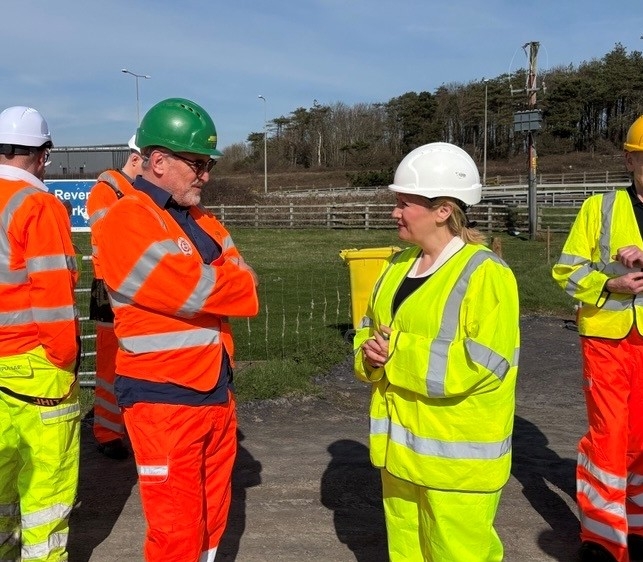
Wales has launched its Renewable Energy Sector Deal with the Morlais tidal energy scheme in Anglesey as the backdrop, placing marine energy inside a wider industrial plan for faster renewable deployment, stronger supply chains, and a larger share of economic value retained domestically.
The agreement comes as Wales pushes towards targets for renewable electricity generation to meet 70% of annual consumption by 2030 and 100% by 2035, while also aiming to deliver at least 1.5GW of locally owned renewable energy capacity by 2035. The latest Welsh Government energy data showed renewable electricity generation in 2024 was equivalent to 54% of Wales’ electricity consumption, giving the deal a clearer policy baseline than previous, more fragmented interventions.
Inyanga Marine Energy Group has tied its response to the role of HydroWing at Morlais, where the company’s pipeline has now reached 30MW. That total reflects the 20MW already secured through earlier Contracts for Difference rounds, plus a further 10MW awarded in February, giving the project a larger commercial footing as it moves beyond pilot-scale marine deployment.
Morlais itself remains central to the story. Owned and managed by social enterprise Menter Môn, the site is the largest consented tidal energy development in Europe and has the potential to generate up to 240MW. Welsh Government support has already included an £8 million equity stake, alongside funding tied to grid reinforcement and site expansion work around Holyhead, underlining that the project is being treated as infrastructure rather than a standalone technology demonstrator.
For HydroWing, scale is the important shift. The additional award moves the Morlais development towards a larger device fleet, with first deployment scheduled from 2027 and later phases extending towards 2030. That does not remove the usual constraints around manufacturing, installation windows, and cost reduction, but it does give tidal energy a more credible route into repeat deployment.
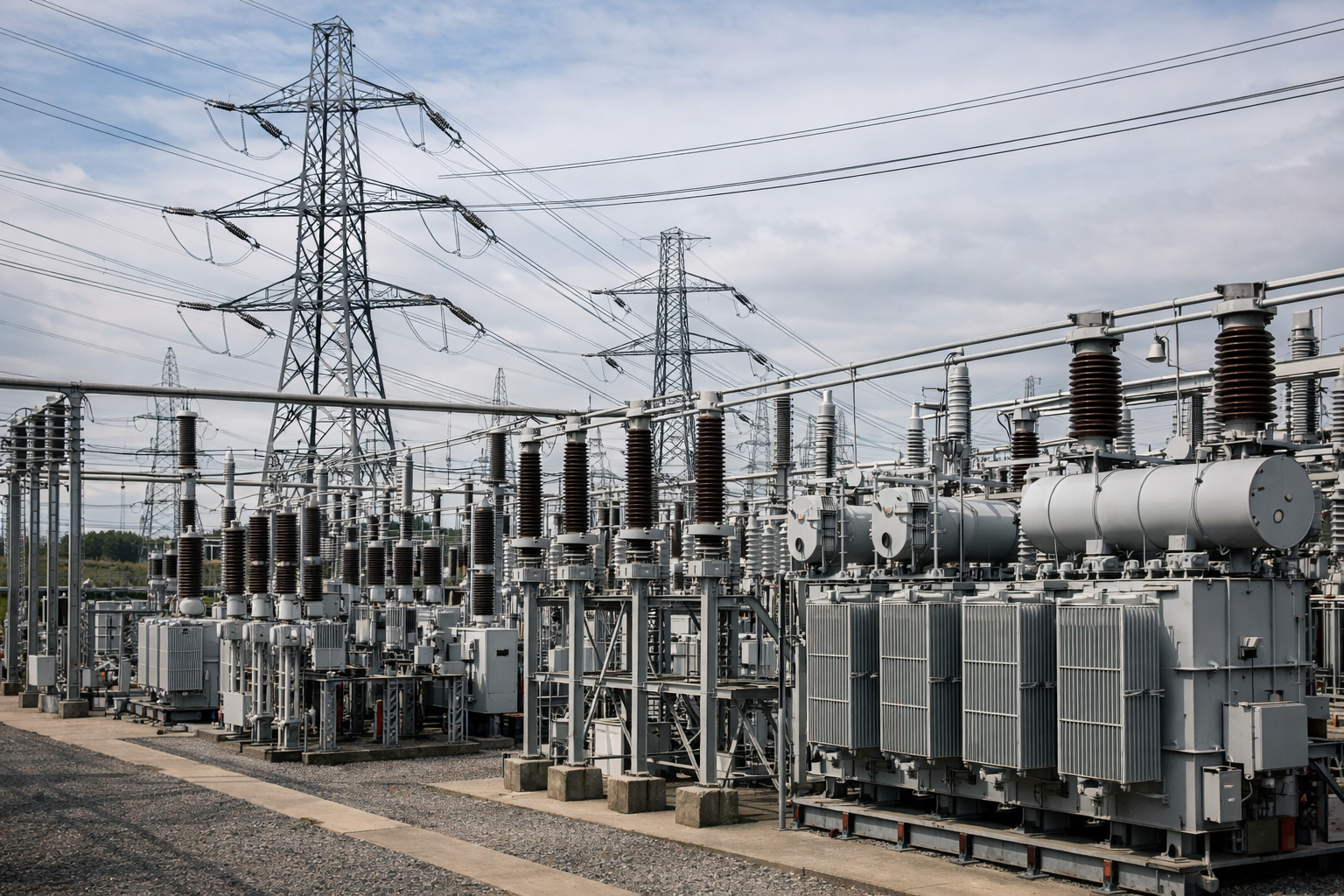
The Sector Deal also widens the frame beyond one technology. It covers onshore and offshore wind, solar, marine, and hydro, while placing emphasis on skills, community benefit, consenting, and supply-chain development. In practice, that gives Wales a more structured way to connect project awards with industrial capacity, rather than treating renewable buildout purely as a generation target.
Morlais is unlikely to carry that agenda on its own, but it is one of the clearest examples of how Wales is trying to turn resource potential into a domestic energy and engineering programme. With HydroWing now holding a larger contracted position on the site, the next phase is no longer about proving tidal energy can work in principle, but about delivering it at commercial scale.