IN Brief:
- VTT has opened FutureGrid in Espoo as a pre-deployment test environment for power-system technology.
- The facility links a physical microgrid with a real-time simulator and digital twin to test software, hardware, and integrated systems.
- Finland’s electricity use is projected to more than triple by 2040, sharpening the need for resilient, flexible, and secure grid technologies.
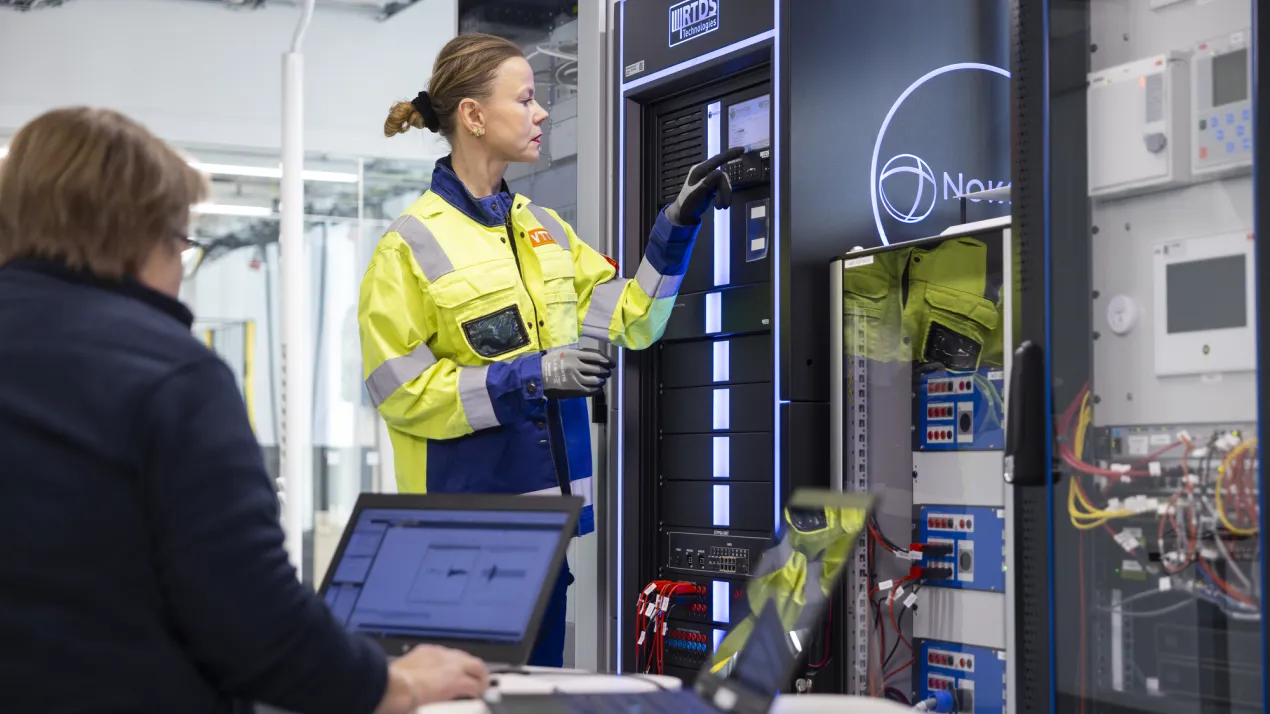
VTT has opened a new research environment in Otaniemi, Espoo, aimed at giving Finnish and international organisations a controlled place to test next-generation grid technologies before they are exposed to live electricity networks. The facility, called FutureGrid, is built around the increasingly obvious point that modern grids are becoming too dynamic, too digital, and too critical to treat field deployment as the first real test.
The context in Finland is particularly stark. VTT said the country’s electricity consumption is projected to more than triple by 2040 as electrification accelerates across industry, transport, data centres, and wider energy use. That growth raises two parallel demands: more infrastructure capacity, and much stronger confidence that new control, protection, and flexibility technologies will behave properly under stress.
FutureGrid is intended to meet that need by combining a physical microgrid with a real-time simulator through a digital twin. VTT said that setup allows extensive virtual test scenarios and enables the development and validation of software, hardware, and full integrated energy systems under conditions that are controlled, but still realistic enough to expose interoperability and performance issues before deployment.
Kari Mäki, research professor at VTT, said: “Distributed clean energy generation, energy storage solutions, electric mobility, and demand response capabilities introduce new dynamics into the energy system. At the same time, they require grid control and protection solutions to keep pace with the change. At VTT FutureGrid, we can ensure this in a safe and agile manner.”
The facility is also meant to serve a wider ecosystem than grid incumbents alone. VTT said FutureGrid will support both early-stage startups and established energy companies, while giving policymakers and developers a shared platform to examine technical and operational issues tied to the energy transition. That includes not only core system behaviour, but also the growing importance of interoperability and security testing as more new actors, devices, and software layers enter the electricity system.
In practice, that makes FutureGrid less of a showcase and more of a proving ground. As clean generation, storage, EV charging, and flexible loads push system behaviour further away from the simpler grid architectures of the past, labs that can model disturbance conditions without risking real customers start to look less optional and more like part of the infrastructure stack itself.