IN Brief:
- UK Networks Services has opened an RFP for 22 BESS units for 2026 delivery, the first phase of an estimated 160-site UK deployment.
- The systems range from 50kW/50kWh to 1,000kW/2,000kWh and are designed to sit between constrained grid connections and high-power chargers.
- Control architecture intended to maintain G100-compliant site operation could widen the number of locations able to host megawatt-class charging.
UK Networks Services has launched a tender for 22 battery energy storage systems to support EV charging hubs across the UK, moving a control-and-storage model for constrained grid sites from theory into procurement.
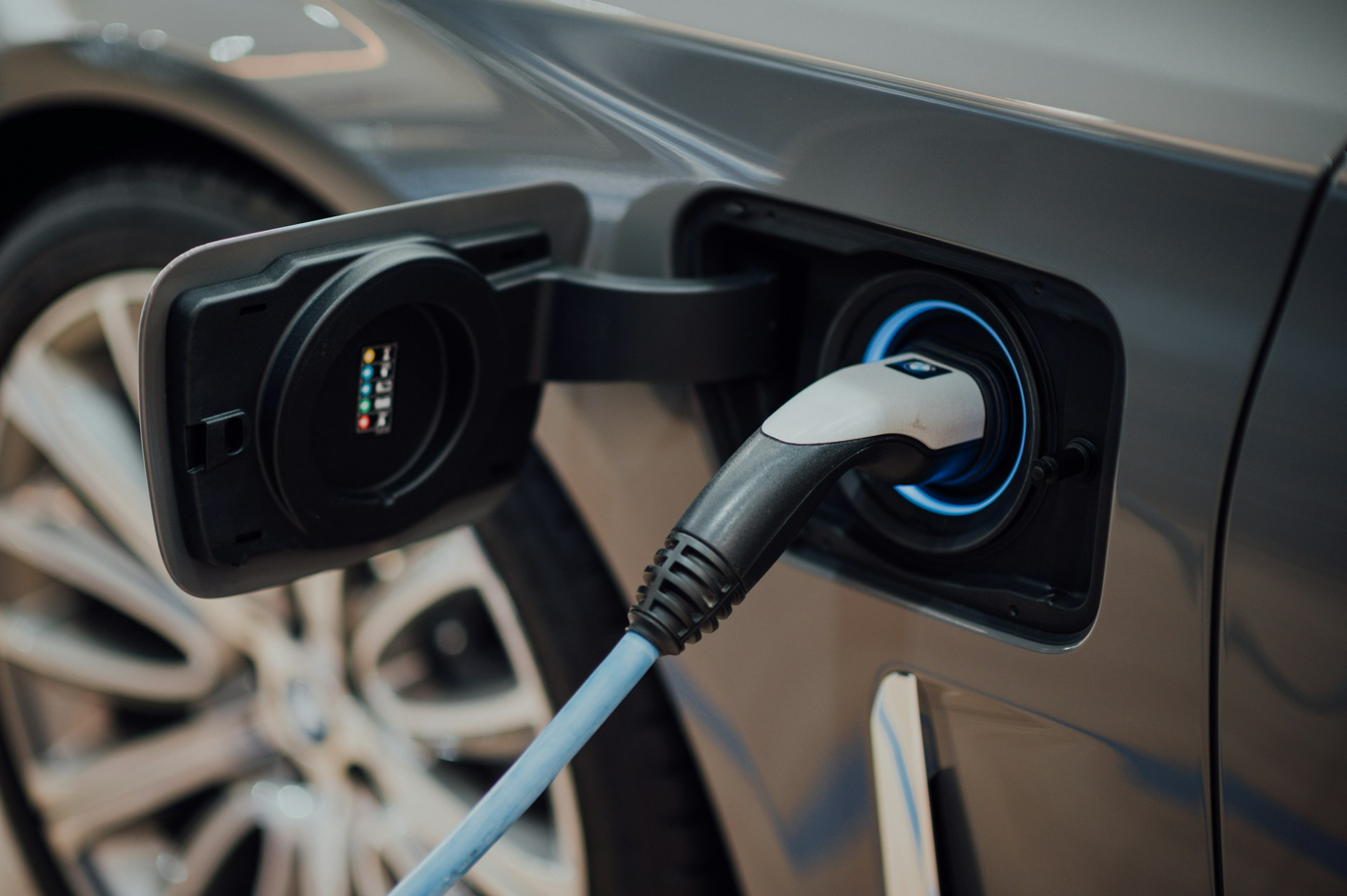
The request for proposal covers an initial batch of systems for delivery in 2026 and forms the first phase of a wider programme of around 160 locations. The first configurations span a mix of 50kW/50kWh, 100kW/100kWh, and 150kW/150kWh one-hour systems, alongside 1,000kW/2,000kWh two-hour units. The common purpose is straightforward: place battery capacity between a weak or limited grid connection and a high-power charging installation so the site can deliver short bursts of charging power beyond what the grid could supply directly.
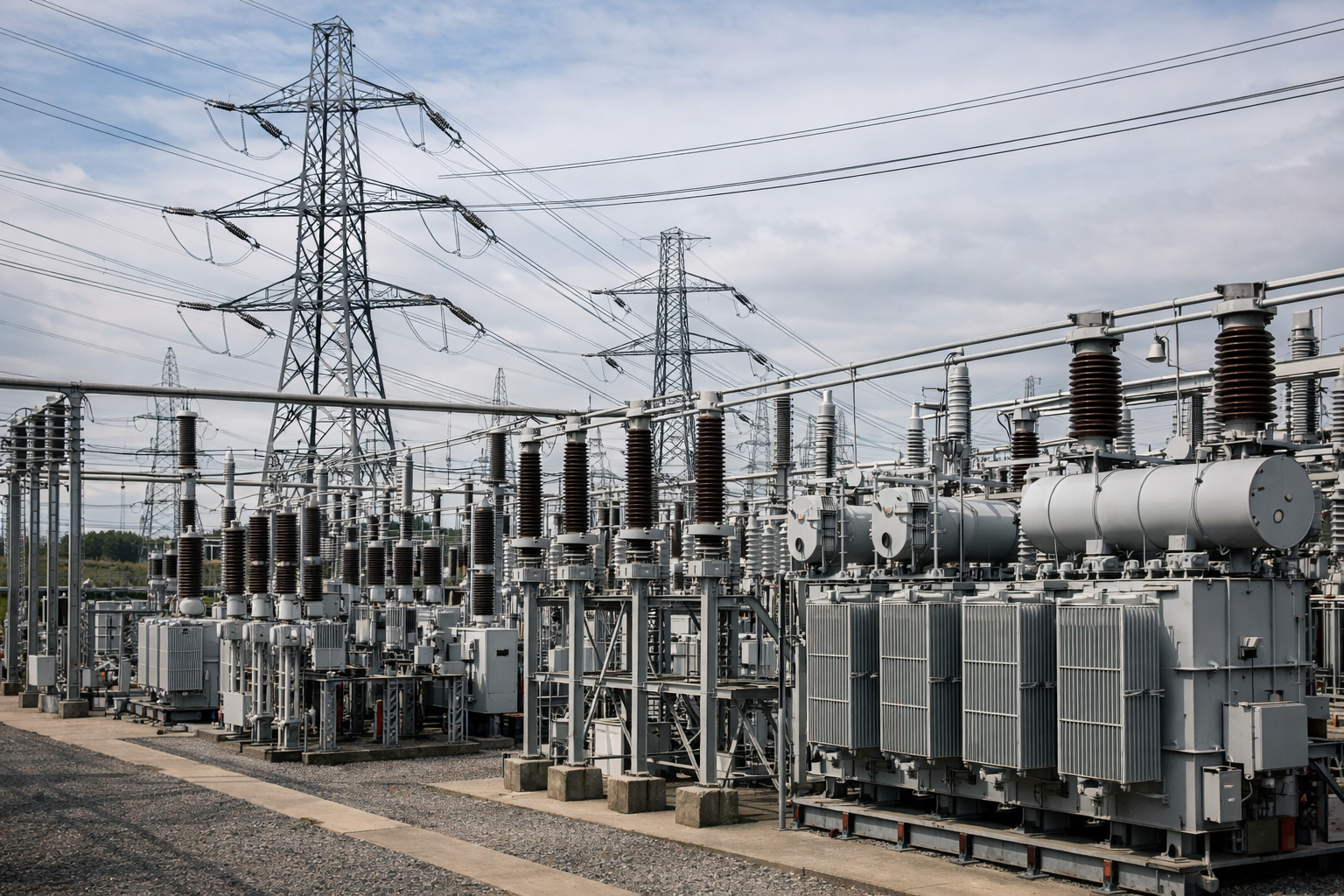
That architecture is becoming increasingly relevant as charger ratings continue to climb. A site may have enough available energy over the day to support rapid charging, but not enough instantaneous grid capacity to serve the steep power curve of multiple high-rate charging sessions. Batteries can absorb power from the grid at a steadier rate, then discharge at much higher output when vehicles connect. The commercial question has shifted from whether that can be done to whether it can be delivered at scale, within connection limits, and with controls robust enough for real operating conditions.
UK Networks Services has indicated that its control system sits between the batteries and chargers to keep the site within G100 requirements. In practice, that means imported and exported current must remain at or below the agreed capacity at the connection point, and the limitation scheme must fail safe if the control chain drops out. That requirement is one reason the control layer matters as much as the battery itself. A charging hub that bursts past its agreed grid envelope is not clever engineering — it is simply non-compliant.
The wider market is moving quickly in the same direction. The UK’s first megawatt-scale eHGV charging hub went live at East Midlands Gateway in January, while charger and power-electronics suppliers are now pushing 1MW-plus products more aggressively. As power ratings rise, the list of viable sites narrows unless storage, controls, or reinforcement close the gap.
That is where this tender becomes more than a purchasing exercise. It is an early test of whether distributed storage can turn constrained connection points into workable charging assets without waiting for full network upgrades. Diversity of charging demand will help, and not every connected vehicle will draw its peak rate for long, but the operating logic still has to stand up over hours, not just seconds.
If the first 22 sites perform as intended, the larger 160-location programme could become a useful reference point for UK rapid charging deployment: less about headline charger power, and more about how much real charging capacity can be engineered from an imperfect grid connection.