IN Brief:
- Tendring District Council has used the DCO examination process to challenge the 184km, 400kV Norwich-to-Tilbury reinforcement in north Essex.
- The council’s objections focus on East Anglia Connection Node siting, high-grade farmland, ecological and landscape effects, construction traffic, and cumulative infrastructure pressure.
- National Grid maintains the line is needed to carry growing offshore wind output and meet rising East Anglian demand, setting up a harder planning test ahead of 2027.
Tendring District Council has escalated its challenge to National Grid’s Norwich to Tilbury transmission project, submitting a detailed Local Impact Report during the examination of the proposed 184km, 400kV line between Norwich and Tilbury. The council says the current scheme would impose significant and unresolved harms on communities, the environment, local businesses, and the rural economy unless much stronger mitigation is put in place.
The sharpest criticism is aimed at the proposed East Anglia Connection Node and its associated corridors. Tendring argues that the current configuration would concentrate major energy infrastructure around Ardleigh and Little Bromley, including across what it describes as the district’s only block of high-grade agricultural land. The council also points to insufficient mitigation for landscape and ecological impacts, weak assurances around construction effects on rural roads and nearby homes, and a lack of clear commitments on skills and employment linked to the project.
The intervention matters because it lands inside the formal Development Consent Order process rather than at the level of general consultation. Tendring has already registered strong opposition to the proposals, and councillors have previously argued that alternatives, including offshore options, should be more fully explored. By moving those concerns into the examination record, the council is forcing them into the evidence base against which the project will be judged.
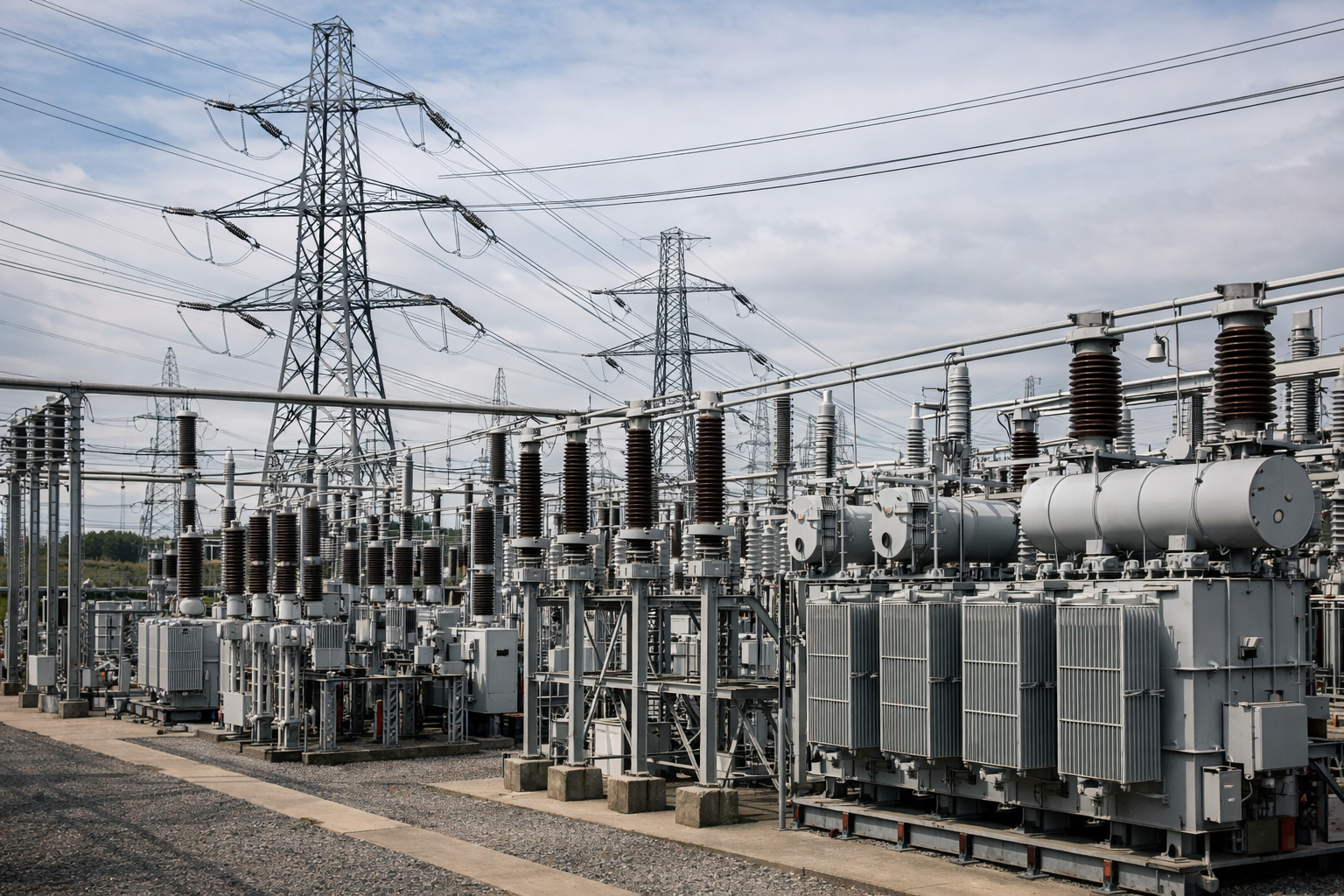
National Grid’s case for the line remains centred on system need. On its project page, the company describes Norwich to Tilbury as a new 400kV transmission connection running from Norwich Main substation via Bramford, a new East Anglia Connection Node substation, and a new Tilbury North substation. It says the reinforcement is needed because East Anglia is a major source of renewable generation, particularly offshore wind, while electricity demand in the region is expected to double and existing transmission infrastructure has lagged behind that shift.
The timetable now moves the dispute from consultation politics to planning judgement. A decision on the Development Consent Order is expected in early 2027; if consent is granted, construction could begin in 2027 and the line could be operational by 2031. That leaves National Grid trying to demonstrate that a strategically important reinforcement can clear a local impacts test that is becoming more exacting as major transmission projects scale up.