IN Brief:
- Buildings account for a major share of Europe’s energy use, keeping HVAC efficiency high on the retrofit and new-build agenda.
- Schneider Electric’s new ATH200 and ATH600 drives add native BACnet and Modbus communications, built-in protections, and cybersecurity features.
- Refrigerant readiness, firmware upgradeability, and broad operating tolerance position the range for longer-life HVAC deployments.
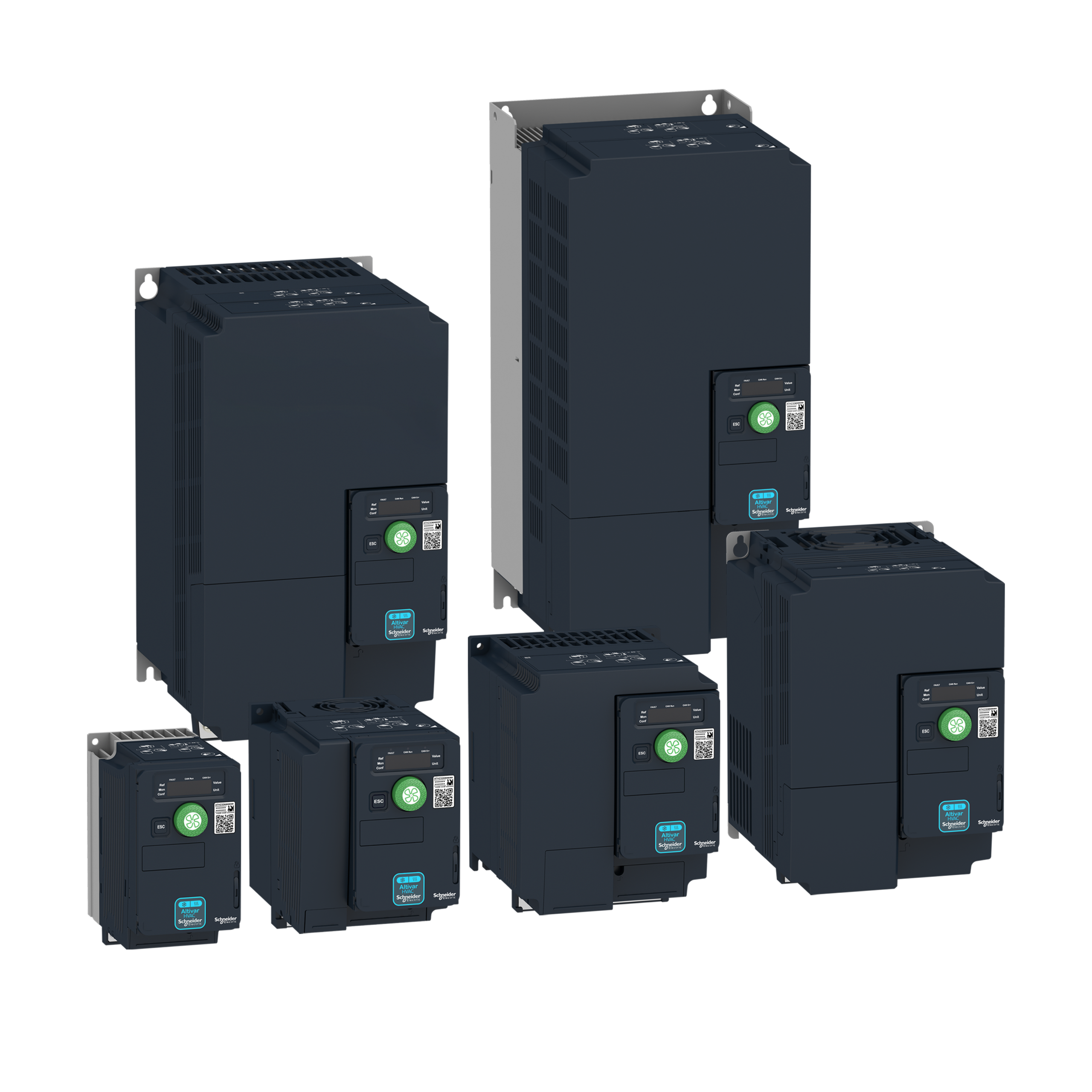
Schneider Electric has launched a new Altivar HVAC Drive family, adding the ATH200 and ATH600 to its building-controls portfolio as pressure grows on operators to cut energy use, improve uptime, and integrate plant more tightly with digital building systems.
The company said the new drive range is engineered to deliver more than 30% energy savings while improving system reliability and integration with building management systems. The ATH200 is aimed at OEMs and compact HVAC equipment, while the ATH600 is designed for larger and more demanding environments including hospitals, airports, data centres, and other continuous-duty sites.
That positioning reflects a wider shift in building services. Around 40% of energy consumed in the EU is used in buildings, and heating, cooling, and hot water account for the vast majority of energy use in homes, which keeps fan, pump, and compressor control firmly in the frame when owners look for practical efficiency gains.
Schneider has built the range around installation and lifecycle features rather than raw drive performance alone. The units include built-in electromagnetic compatibility filtering, integrated motor thermal protection, and native Modbus and BACnet communications, reducing the need for external components and simplifying commissioning. The drives are also rated for operation from -10°C to 60°C, allowing deployment in rooftop units, plant rooms, and outdoor enclosures where thermal conditions are less forgiving.
Xiao Hu, senior vice president, Industrial Control and Drives at Schneider Electric, said: “With the Altivar HVAC Drives, we are redefining what performance, reliability, and security mean for modern HVAC infrastructure. We engineered the range to support long-term sustainability and safety, from responsibly sourced materials to firmware upgradeability. These capabilities help customers reduce downtime, protect equipment, and meet evolving energy and environmental regulations.”
The cyber and refrigerant position is likely to draw as much attention as the efficiency claim. Schneider said the drives carry IEC 62443-4-2 Security Level 1 certification, secure firmware integrity checks, and upgradeable firmware. They are also certified for A2L refrigerants and ready for A3 refrigerants up to 25 hp, aligning the range with the wider move toward lower-global-warming-potential refrigerants in chillers, heat pumps, and packaged HVAC systems.
Schneider is also linking the launch to its wider HVAC controls stack, pairing the drives with Modicon M172/M173 controllers and Harmony HMIs. For OEMs and system integrators, that creates a more tightly packaged route into connected HVAC equipment, where electrical performance, controls integration, and cybersecurity increasingly have to arrive as one system rather than as a pile of add-ons.