IN Brief:
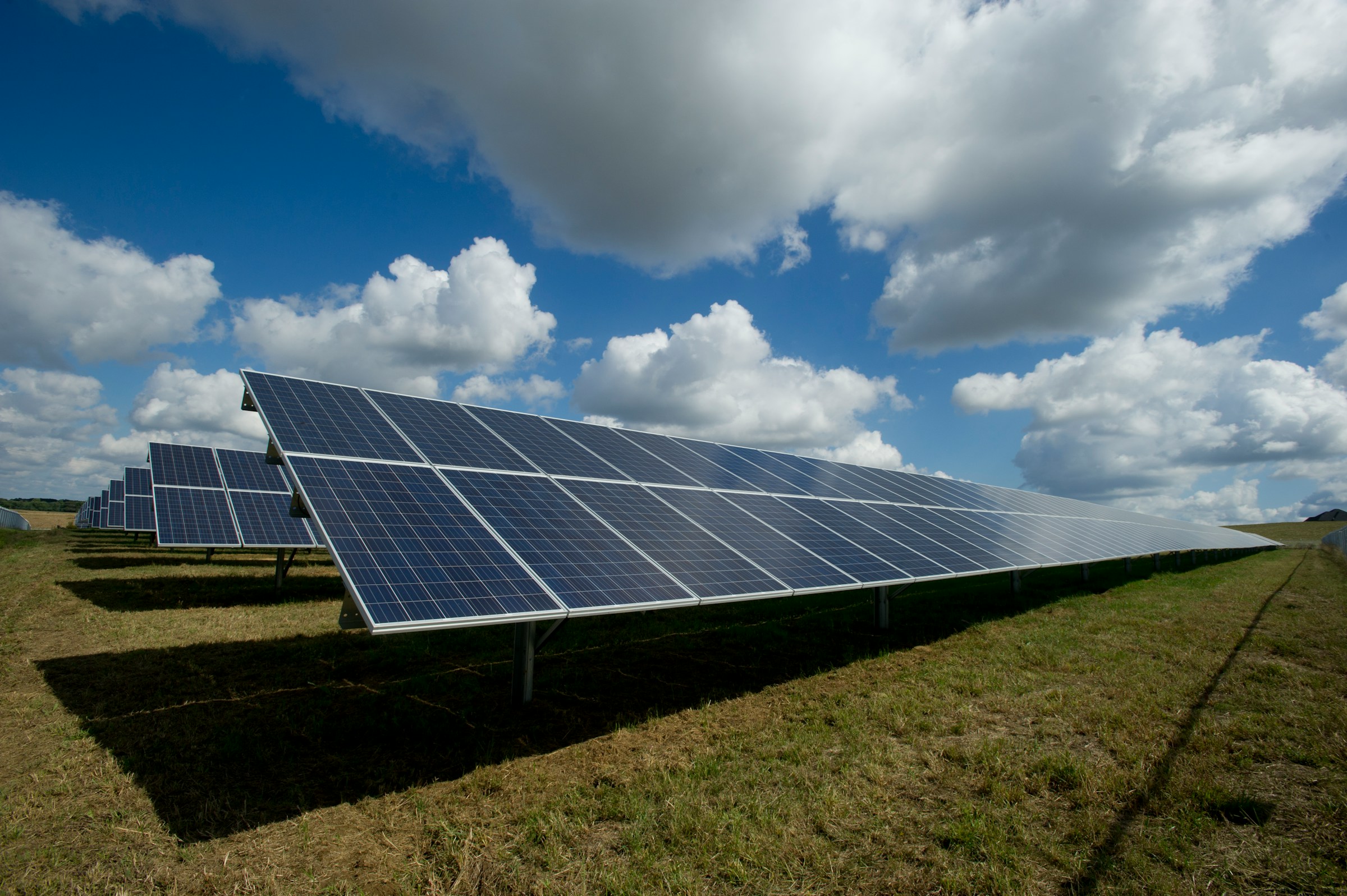
- RES will provide asset management for 217 MW of operational solar and battery storage assets owned by Nala Renewables in Lithuania, Belgium, and Greece.
- The award extends RES’ multi-country services business as solar and storage portfolios increasingly require unified technical, commercial, and operational oversight.
- It lands as Europe’s solar and battery markets continue to grow, pushing asset management further into the centre of renewable infrastructure ownership.
RES has won an asset management mandate from Nala Renewables covering 217 MW of operational solar and battery energy storage assets across Lithuania, Belgium, and Greece. The agreement expands RES’ role in the European services market at a point when renewable owners are increasingly looking for operating partners able to manage performance, reporting, compliance, and long-term asset value across multiple technologies and jurisdictions.
The contract is focused on asset management rather than development or construction. That shifts the work onto the operating phase, where the priorities are availability, performance optimisation, commercial oversight, and the coordination of interventions across sites with different market rules and revenue structures. For portfolios spanning both solar and storage, that operating layer has become more demanding as owners move from single-country holdings to larger fleets spread across Europe.
RES is entering the mandate with a sizeable platform already in place. Earlier this month, the company said it had passed 3 GW of solar and battery storage under operations and maintenance contracts in Northern Europe, with 3.4 GW of solar and storage and 4 GW of total renewable assets under O&M across the region. It also said it is contracted to support 18 battery storage projects in Northern Europe with a combined installed capacity above 1.5 GW, while its wider global services portfolio now exceeds 45 GW.
The broader European market is moving in the same direction. SolarPower Europe said the EU added 65.1 GW of solar PV in 2025, taking the bloc’s total fleet to 406 GW. In battery storage, the same organisation reported 27.1 GWh of new EU capacity in 2025, with utility-scale projects accounting for 55% of annual additions. Those figures matter because larger solar fleets increase the need for flexibility, while storage is moving from an ancillary technology to a routine part of renewable portfolio design.
That combination is changing the service model. Asset management is no longer confined to periodic reporting and contractor oversight; it increasingly sits at the junction of technical performance, market participation, compliance, and lifecycle value. The challenge becomes sharper when the same owner is running assets across several national markets, each with its own balancing arrangements, grid requirements, and maintenance ecosystem.
Nala Renewables’ wider portfolio illustrates that spread. Its published market footprint includes solar and battery positions across countries such as Lithuania, Greece, Belgium, Poland, Finland, Romania, and the Netherlands. For RES, the new award reinforces a trend already visible across the sector: as European portfolios become larger, more hybrid, and more geographically dispersed, operational consistency is becoming as important to investors as the original development pipeline.