
Renewable energy
—
-
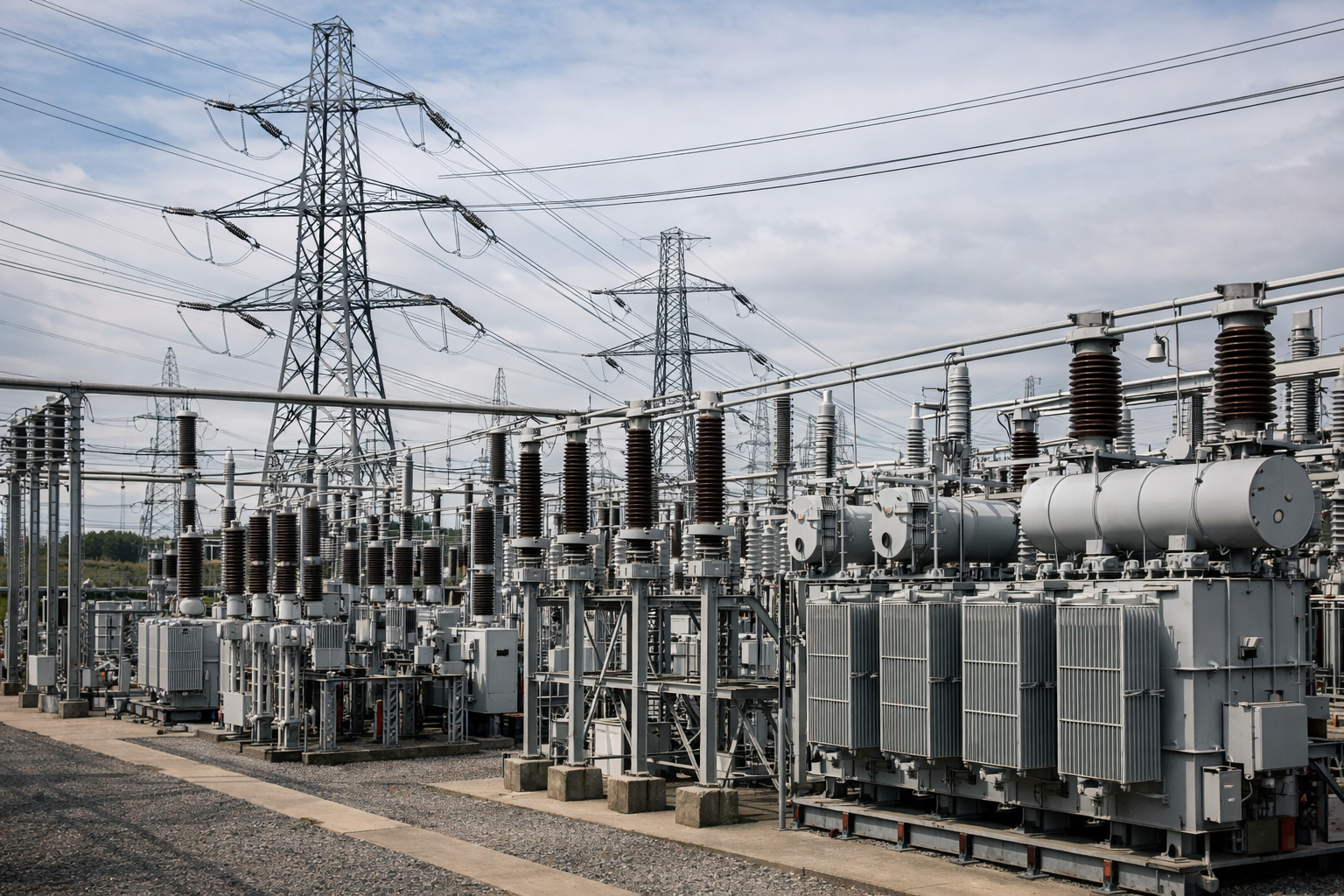
Hybrid storage is moving beyond batteries into faster grid control. Acciona Energía is pairing lithium-ion capacity with ultracapacitors to deliver rapid frequency, voltage, and virtual-inertia support at renewable sites in Navarra.
-
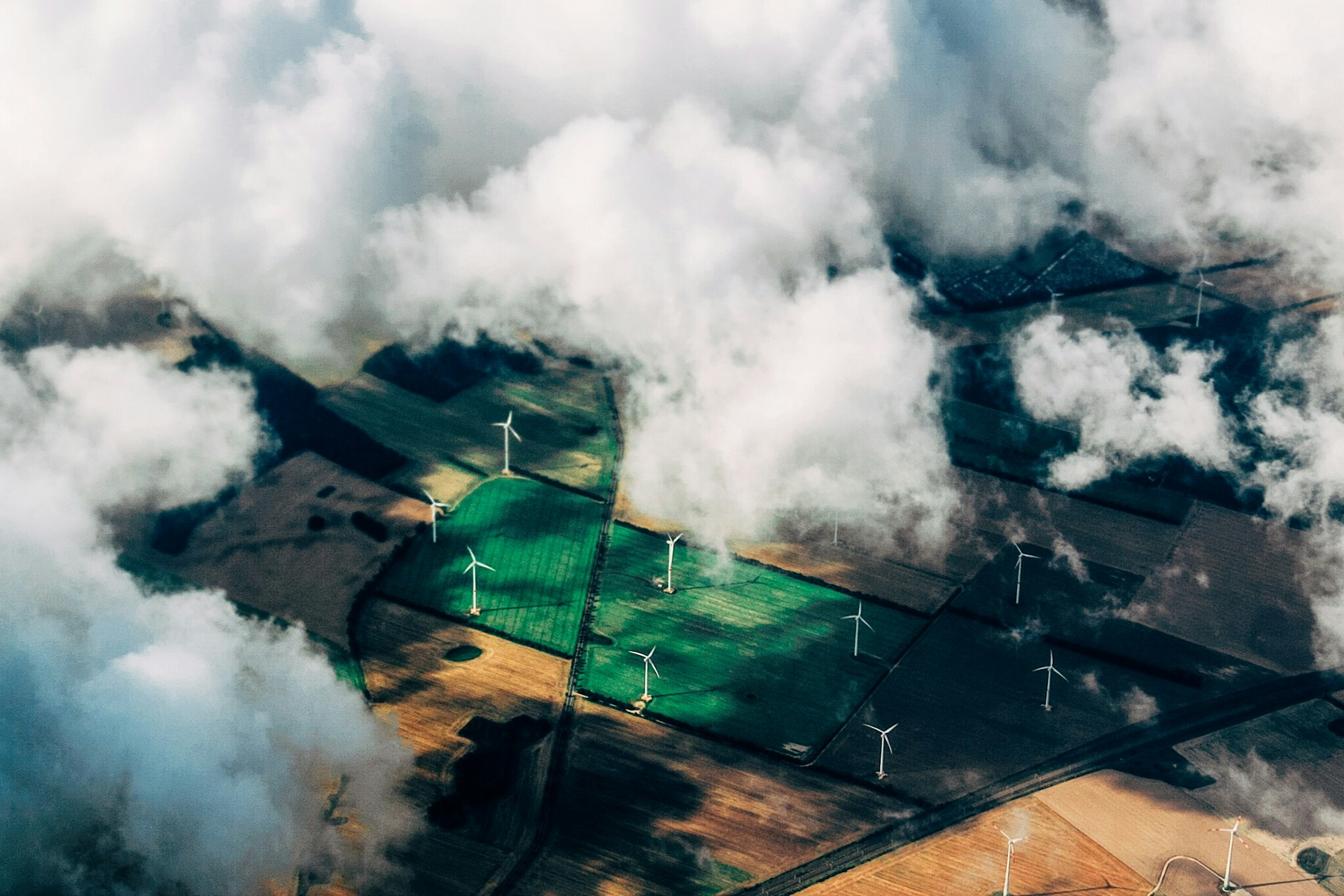
Britain’s eighth clean-power auction has formally opened for project applications. The round will test renewable-project depth, delivery capacity, connection readiness, and the eventual scale of government support.
-
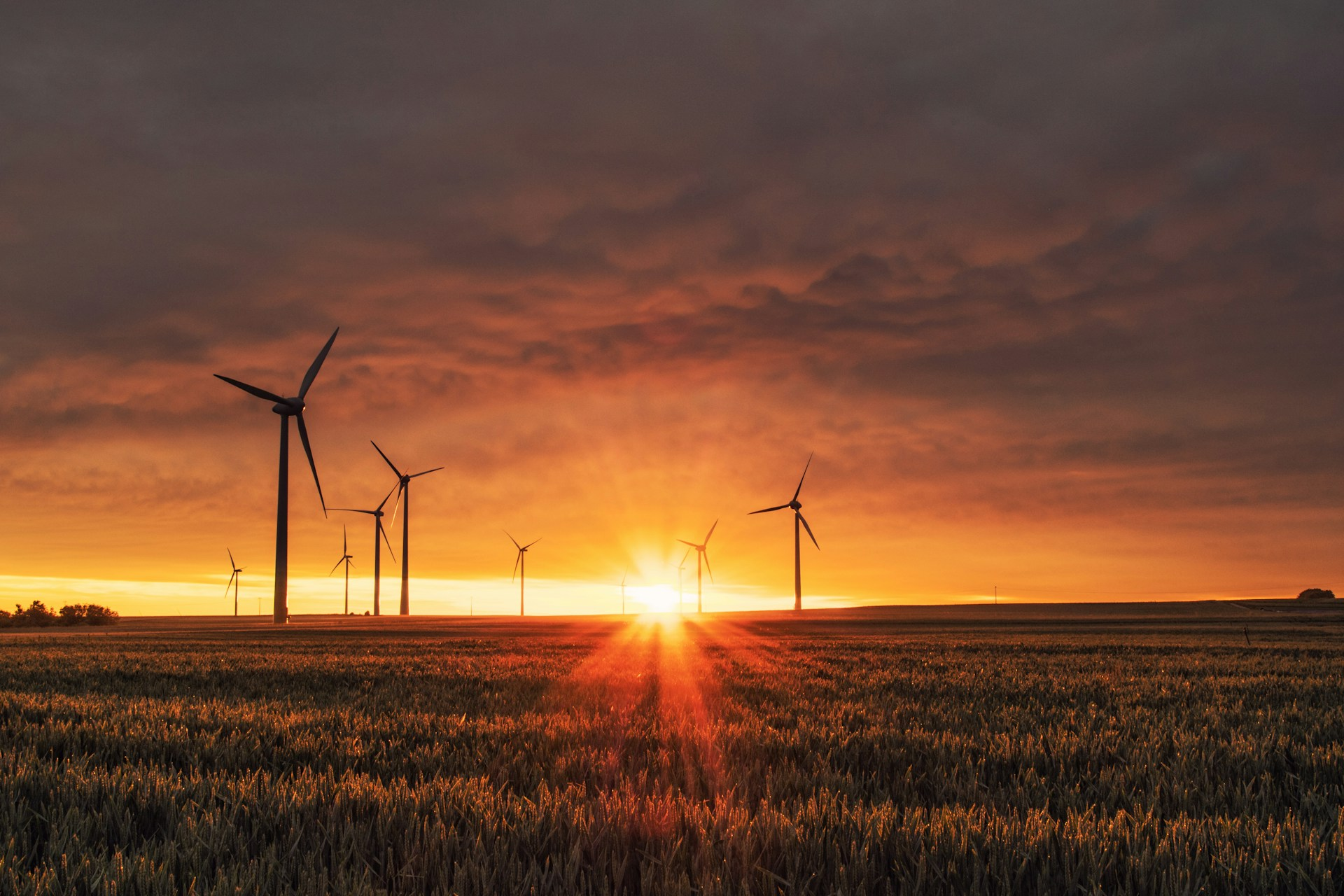
PNE has secured permits for five German wind projects nationwide. The 188MW portfolio combines new construction, cooperative ownership, project extensions, and repowering across five federal states.
-
DEME will install foundations for Zeevonk’s first offshore wind phase. The work covers 69 monopiles, secondary steel, marshalling, and preparation of scour protection in the Dutch North Sea.
-
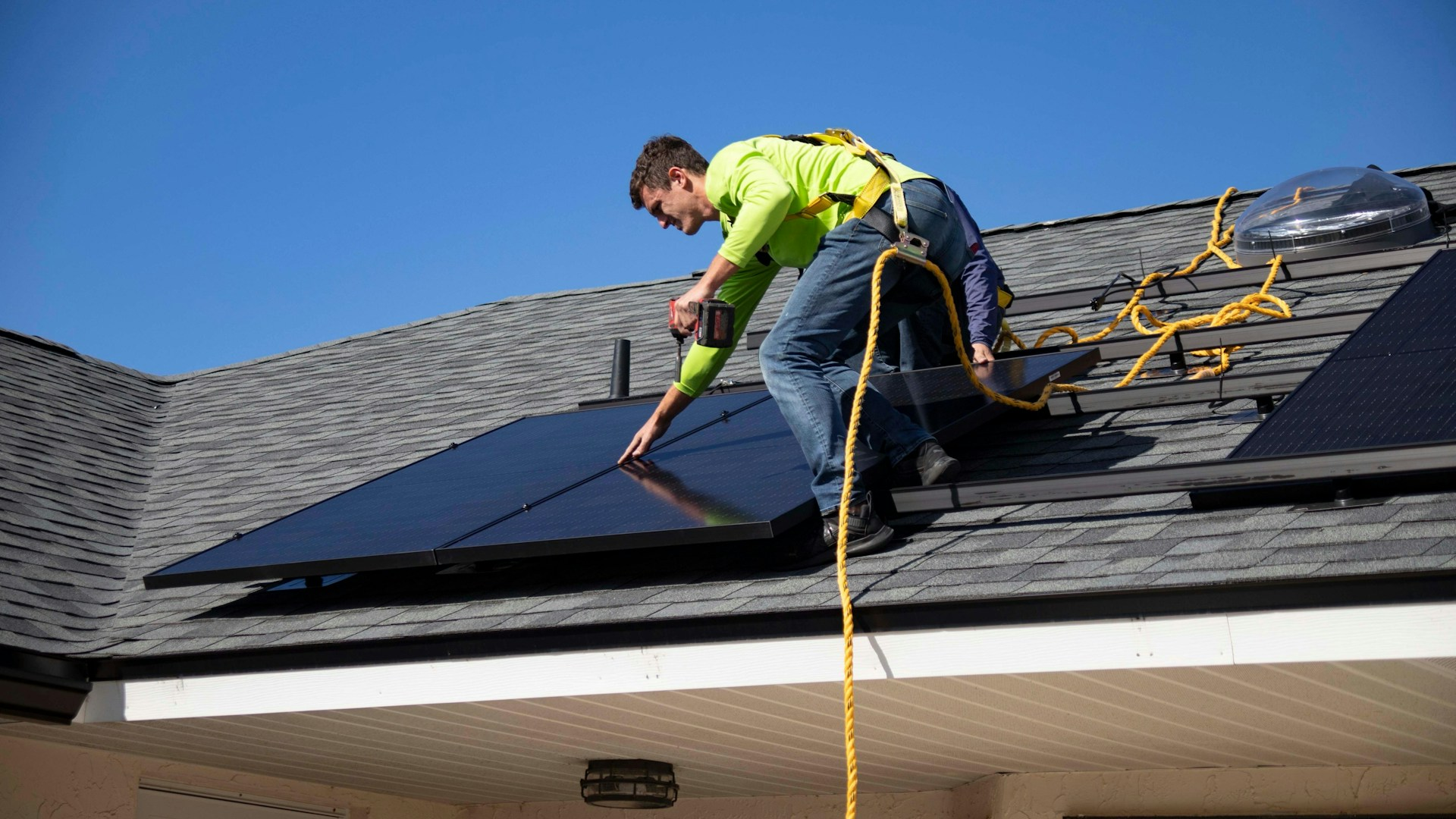
NAPIT has outlined safeguards needed for safe plug-in solar deployment. Its response addresses certification, older wiring, socket selection, DNO notification, consumer guidance, and enforcement against non-compliant imports.
-
Caledonia’s two-gigawatt offshore wind development has secured Scottish ministerial consent. Ocean Winds can now advance procurement, CfD participation, investment decisions, and planned construction from 2030.
-
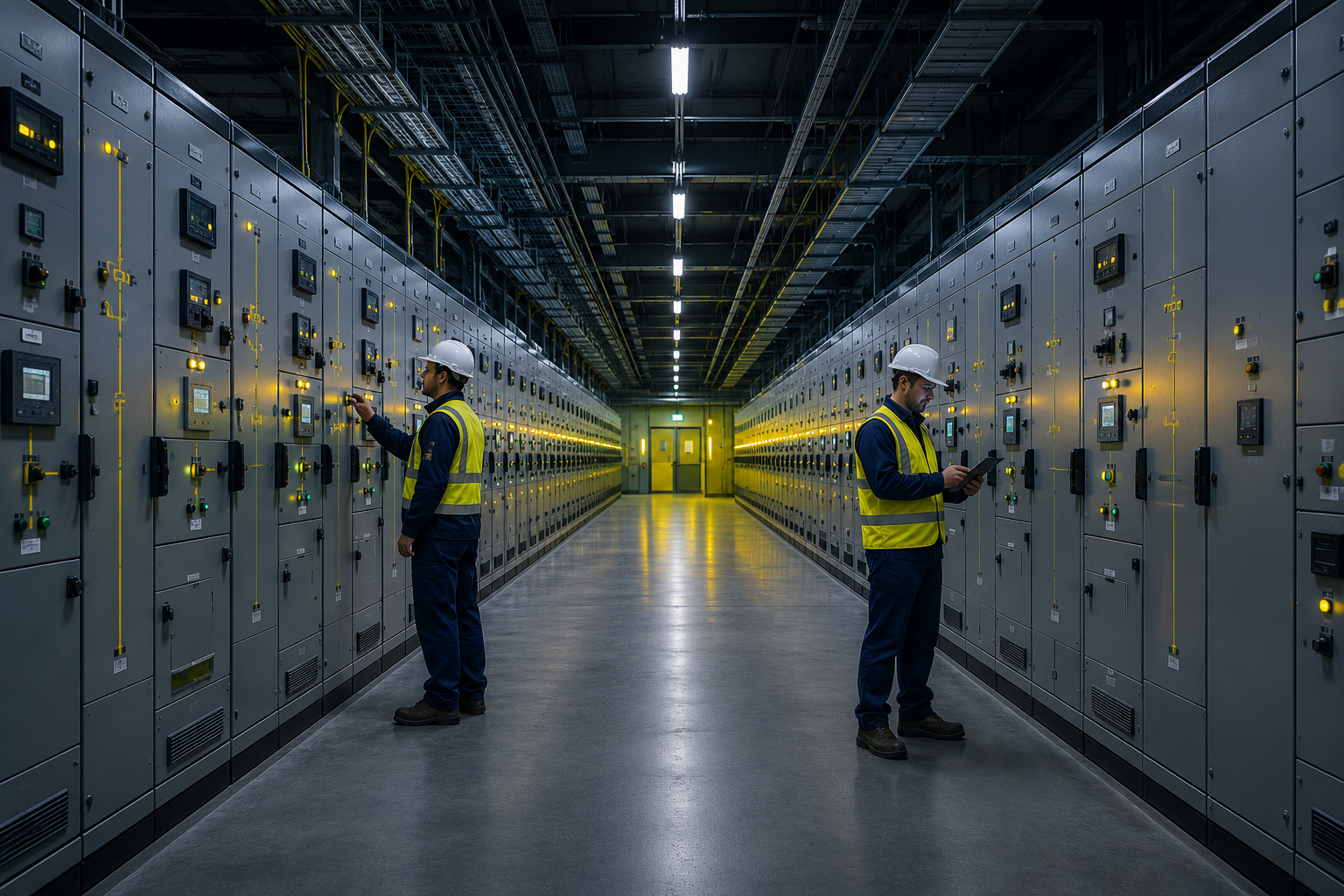
Powernaut now coordinates DSG’s Dutch renewable portfolio through one platform. The system connects distributed solar and battery assets with day-ahead, intraday, balancing, and congestion-management markets.
-
Statkraft has secured approval for Sweden’s Hästliden onshore wind farm. The development can use 85 turbines and produce around 2TWh annually, subject to available grid capacity.
-
Aarsleff will build major onshore facilities for Bornholm Energy Island. The DKK3.7 billion contract covers converter halls, a 400kV substation, and infrastructure linking Baltic offshore wind with Danish and German grids.
-
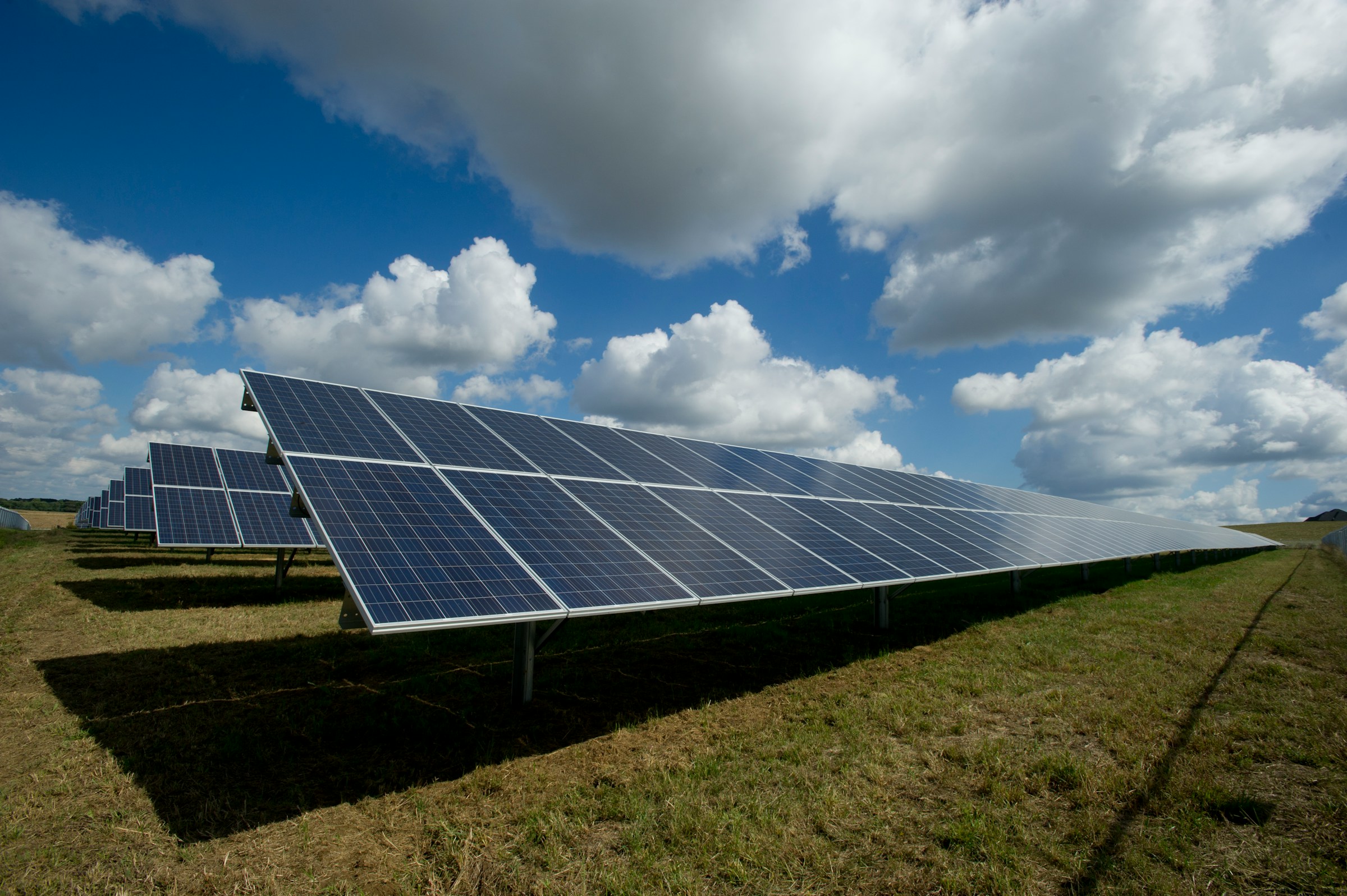
European solar generation avoided an estimated €20 billion gas bill. SolarPower Europe’s analysis links record photovoltaic output with reduced fuel exposure, while highlighting the storage, network, flexibility, and market reforms required to manage concentrated midday generation.