
IN Brief:
- National Grid has appointed delivery partners for £1.2bn of overhead line works across England and Wales.
- The programme includes reconductoring and associated upgrades across more than 1,000km of existing routes.
- The work forms part of wider transmission reinforcement needed to connect generation and increase network transfer capacity.
National Grid has named delivery partners for the next phase of its Electricity Transmission Partnership, covering £1.2bn of overhead line upgrade work across England and Wales.
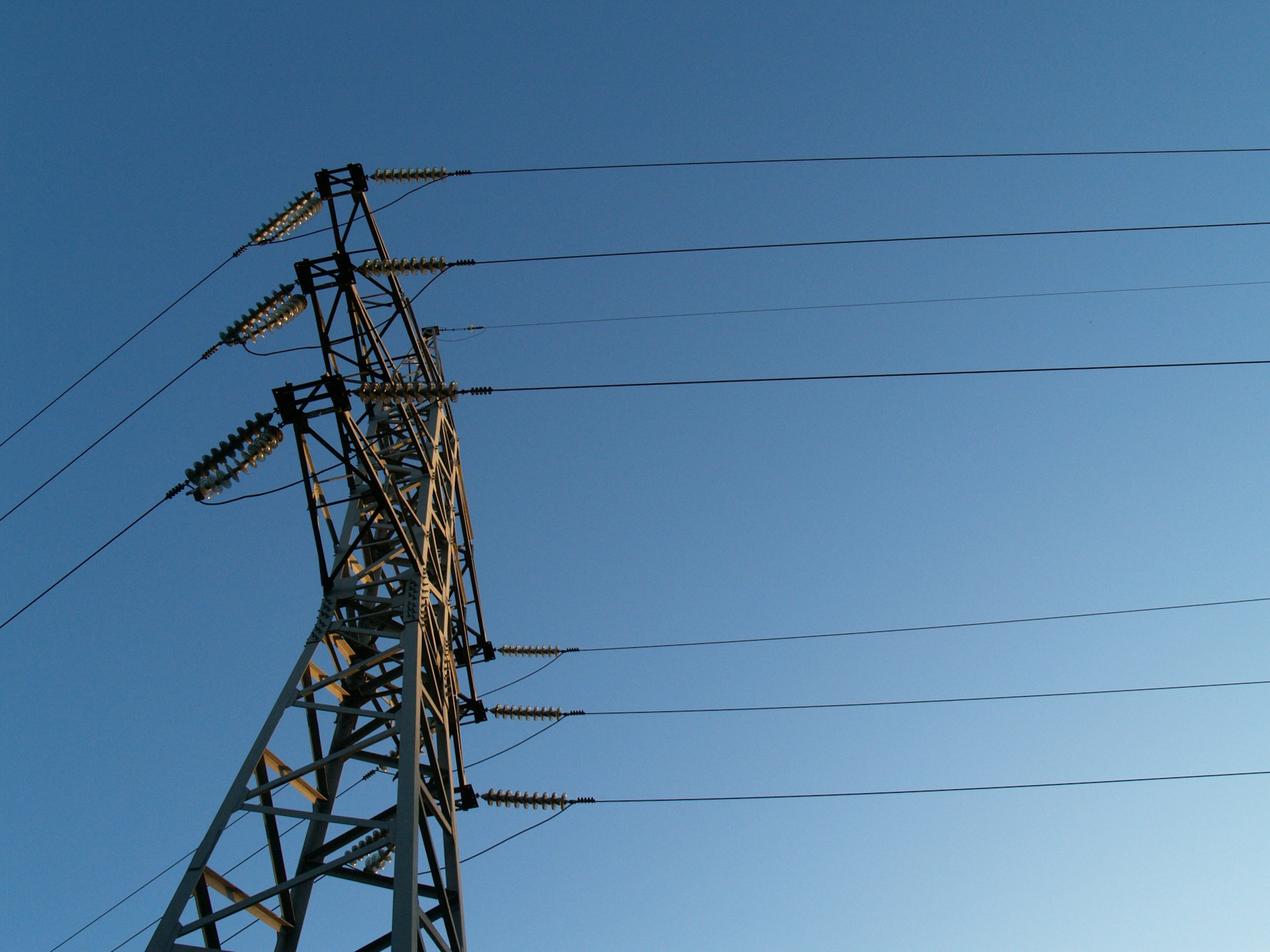
Balfour Beatty, M Group, Morgan Sindall Infrastructure, Murphy, and an Omexom Taylor Woodrow joint venture have been selected for the programme. The works are expected to cover more than 1,000km of existing transmission routes, with reconductoring, fittings replacement, and associated upgrades used to increase transfer capacity on established corridors.
Upgrading existing overhead line routes can add capacity without relying entirely on new transmission corridors, although the engineering challenge remains substantial. Reconductoring requires outage planning, tower loading assessments, access routes, temporary works, safety controls, conductor logistics, and careful coordination with live system operations.
The UK’s transmission network is being asked to carry power flows that differ sharply from those it was originally designed to handle. Offshore wind, Scottish generation, interconnectors, and regional renewable development are changing the direction, scale, and variability of power transfer across the system. Demand growth from electrified transport, heating, data centres, and industrial loads is adding further pressure at the other end of the network.
Increasing transfer capacity through existing circuits is one of the faster routes available while larger network reinforcement schemes move through planning and construction. New overhead lines, substations, and underground or subsea cable projects will still be needed, but uprating current assets can provide earlier capacity gains where the route, structures, clearances, and outage windows allow it.
Physical reconductoring also sits alongside digital and operational methods of increasing asset utilisation. Dynamic line rating, now being rolled out on parts of the transmission system, uses real-time weather and conductor condition data to release additional capacity when operating conditions permit. The two approaches are complementary: one increases the physical capability of the route, while the other allows the operator to use capacity more precisely.
Substation capacity must move in parallel with overhead line works. A reinforced circuit cannot deliver its full value if transformer capacity, switchgear, protection systems, reactive compensation, or substation bay arrangements remain constrained. Balfour Beatty’s Bramford substation contract sits within the same wider delivery environment, where high-voltage civil and electrical works are being scaled across multiple parts of the network at once.
The partnership model also shows how transmission delivery is becoming a long-term supply chain exercise. Network operators need contractor capacity, design resource, specialist labour, steelwork, conductors, insulators, protection equipment, cranes, access plant, and environmental management support over several years. Short-term procurement cycles are poorly suited to the scale of work now required across the grid.
Overhead line projects can also face difficult local delivery conditions. Works may cross agricultural land, upland terrain, protected habitats, roads, rivers, and railway corridors, with access and construction methods shaped by weather, landowner agreements, ecological surveys, and seasonal restrictions. Increasing capacity on an existing route does not remove those constraints, but it can reduce some of the planning complexity associated with entirely new corridors.
The £1.2bn programme is part of a broader shift in transmission investment from incremental reinforcement to system-wide renewal and expansion. The network must connect new generation faster, move power over longer distances, and maintain reliability while major works are carried out on or near live assets.
Delivery speed will depend on how well design approvals, outage sequencing, contractor mobilisation, material supply, and local access are coordinated. If those pieces move together, reconductoring and associated overhead line upgrades can provide one of the more practical ways to increase capacity before the largest new-build transmission projects are completed.

