IN Brief:
- National Grid now plans at least £70 billion of capital investment by FY31, with around £31 billion allocated to UK electricity transmission.
- The step-up follows acceptance of the RIIO-T3 framework, which governs National Grid Electricity Transmission from April 2026 to March 2031.
- Grid reinforcement is being pulled forward by renewable connections, industrial electrification, and faster demand growth from data centres and AI loads.
National Grid has expanded its five-year investment framework by £10 billion, taking total planned capital expenditure to at least £70 billion by FY31 as the company prepares for a heavier build cycle across electricity networks in the UK and the US.
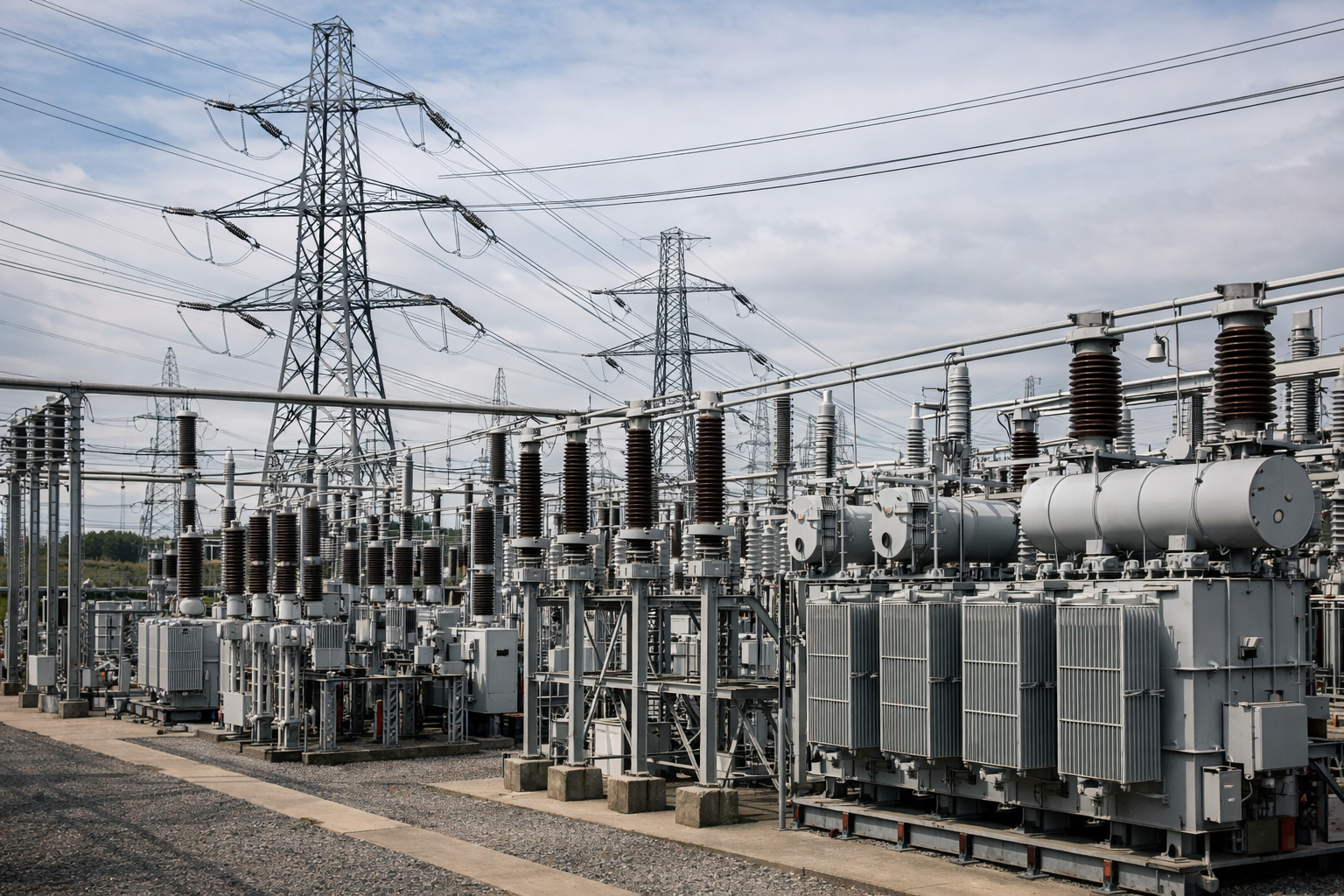
The largest share of that programme sits in Britain’s electricity system. National Grid expects to direct about £31 billion into UK electricity transmission and a further £9 billion into UK electricity distribution by FY31, with the balance split across its regulated operations in New York and New England, plus National Grid Ventures. The revised plan represents a 70% increase on the previous five-year period and, in the company’s own allocation, reflects a doubling of investment into UK electricity networks.
The timing is tied directly to regulation. National Grid has accepted Ofgem’s RIIO-T3 price control arrangements for its UK Electricity Transmission business, covering the period from 1 April 2026 to 31 March 2031. That matters because the next phase of transmission spending is no longer about incremental reinforcement. It is about adding transfer capacity, upgrading substations, and building a network that can handle a different load profile altogether.
The company said the framework will support plans to nearly double the amount of power that can flow across the country, while reducing constraint costs and improving resilience. That speaks to a problem the sector has been wrestling with for years: generation has expanded faster than the grid’s ability to move power to where it is needed. Curtailment, delayed connections, and expensive balancing actions are all symptoms of the same bottleneck.
What has changed is the pace of demand growth now sitting behind the case for investment. National Grid explicitly linked the upgrade to decarbonisation, energy security, industrial electrification, data centre expansion, and the rise of AI. In practical terms, that means the grid is being asked to do two jobs at once — connect more low-carbon generation and serve larger, less flexible demand centres.
National Grid expects group assets to reach around £115 billion by FY31. That gives a sense of scale, but it also underlines the delivery challenge. Regulatory clarity helps, yet the harder work sits in construction sequencing, supply chain availability, planning, and the ability to bring major projects through on time. Britain’s grid buildout is no longer a distant requirement. It is now sitting inside the capital programme.