IN Brief:
- IGAT is adding green hydrogen production to an established industrial gases site in Campania under Italy’s Hydrogen Valley investment programme.
- The 2MW PEM electrolyser supplied by IMI brings renewable hydrogen into an operating oxygen, nitrogen, and argon production environment.
- The project sits within a wider industrial decarbonisation push at IGAT that also includes new solar and storage capacity at its Caserta site.
IMI has supplied a 2MW electrolyser to IGAT, bringing green hydrogen production into the SIAD Group company’s industrial gas operations in Pignataro Maggiore, Caserta. The installation gives IGAT an on-site route into renewable hydrogen as part of Italy’s Hydrogen Valley programme, which is channeling public funding into hydrogen production on industrial sites.
IGAT has operated in the industrial gases sector since the early 1990s and produces oxygen, nitrogen, and argon at its Campania plant. Bringing electrolysis into that setting is a more practical industrial step than a standalone demonstration asset: the hydrogen can be integrated alongside existing gas infrastructure, with part of the output used internally while the site continues to serve its established customer base.
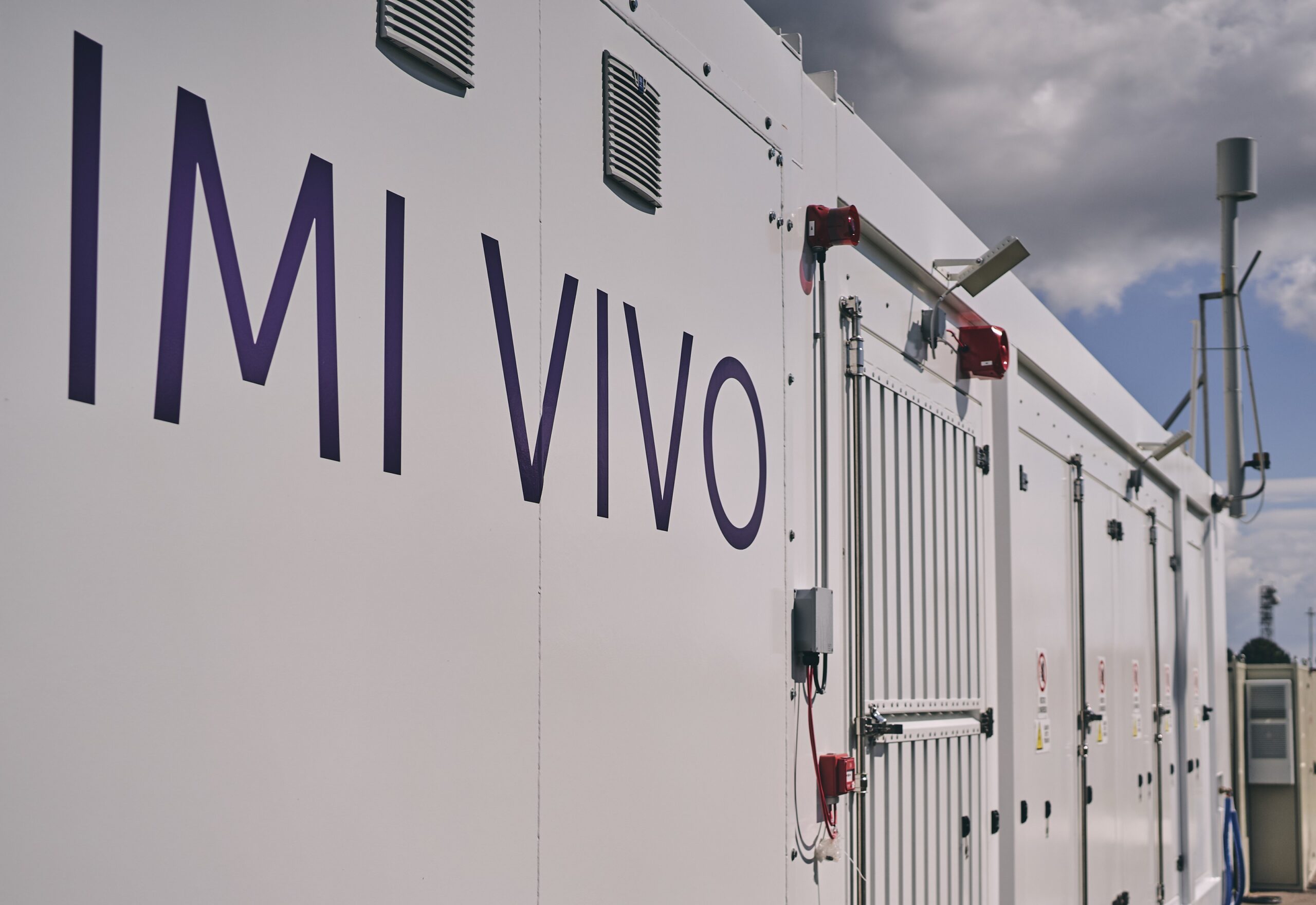
The equipment supplied by IMI uses proton exchange membrane technology in the 2MW class. IMI’s VIVO platform is designed for modular deployment and, at this scale, is rated for hydrogen output of up to 400Nm³/h. That makes it suited to industrial users looking to add renewable hydrogen production without moving immediately into much larger centralised projects.
The electrolyser project also sits within a broader shift in IGAT’s energy sourcing. In June 2025, EDP agreed to build a 2.5MWp photovoltaic plant with 1MWh of storage at the Caserta site, a scheme tied directly to the company’s green hydrogen initiative. The solar installation was designed to generate around 3.5GWh a year, cutting grid dependence and supporting more flexible use of renewable electricity on site.
That wider context matters in Italy, where Hydrogen Valley funding under the PNRR has been aimed at getting renewable hydrogen production moving in brownfield and industrial locations with a credible local demand base. For businesses already producing and handling technical gases, the transition path is more visible: add renewable power, add electrolysis, and build hydrogen production into an operating industrial system rather than around it.
For IGAT, the result is a new production capability inside a site that already has established energy demand, gas handling experience, and industrial customers. For IMI, it is another reference point for containerised electrolyser systems as hydrogen projects in Italy move from funding announcements into installed plant.