
Energy
—
-
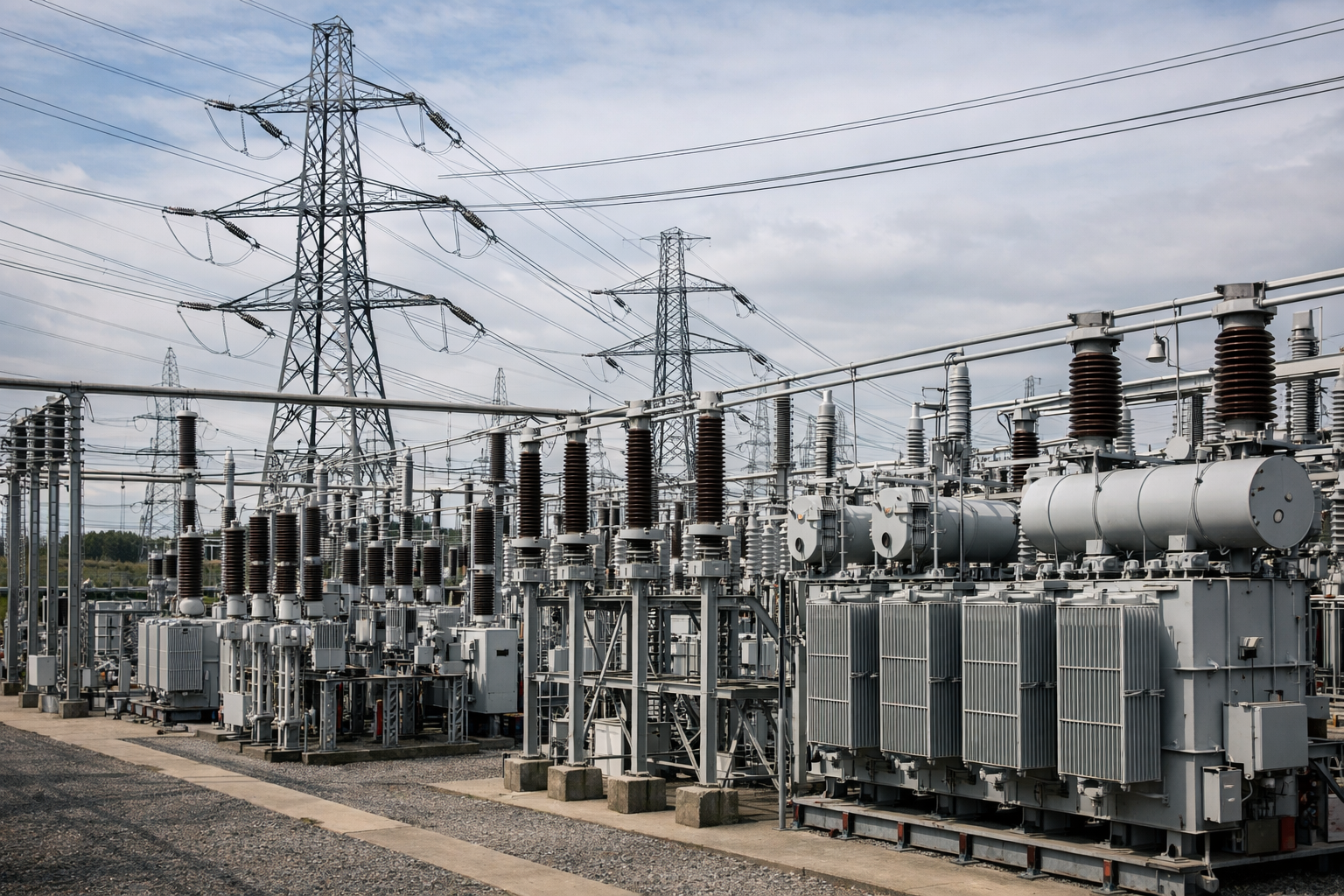
Britain is tightening demand-side grid access as applications surge sharply. The consultation would remove speculative projects from the queue while giving data centres, industry, and EV infrastructure a faster route to connection.
-
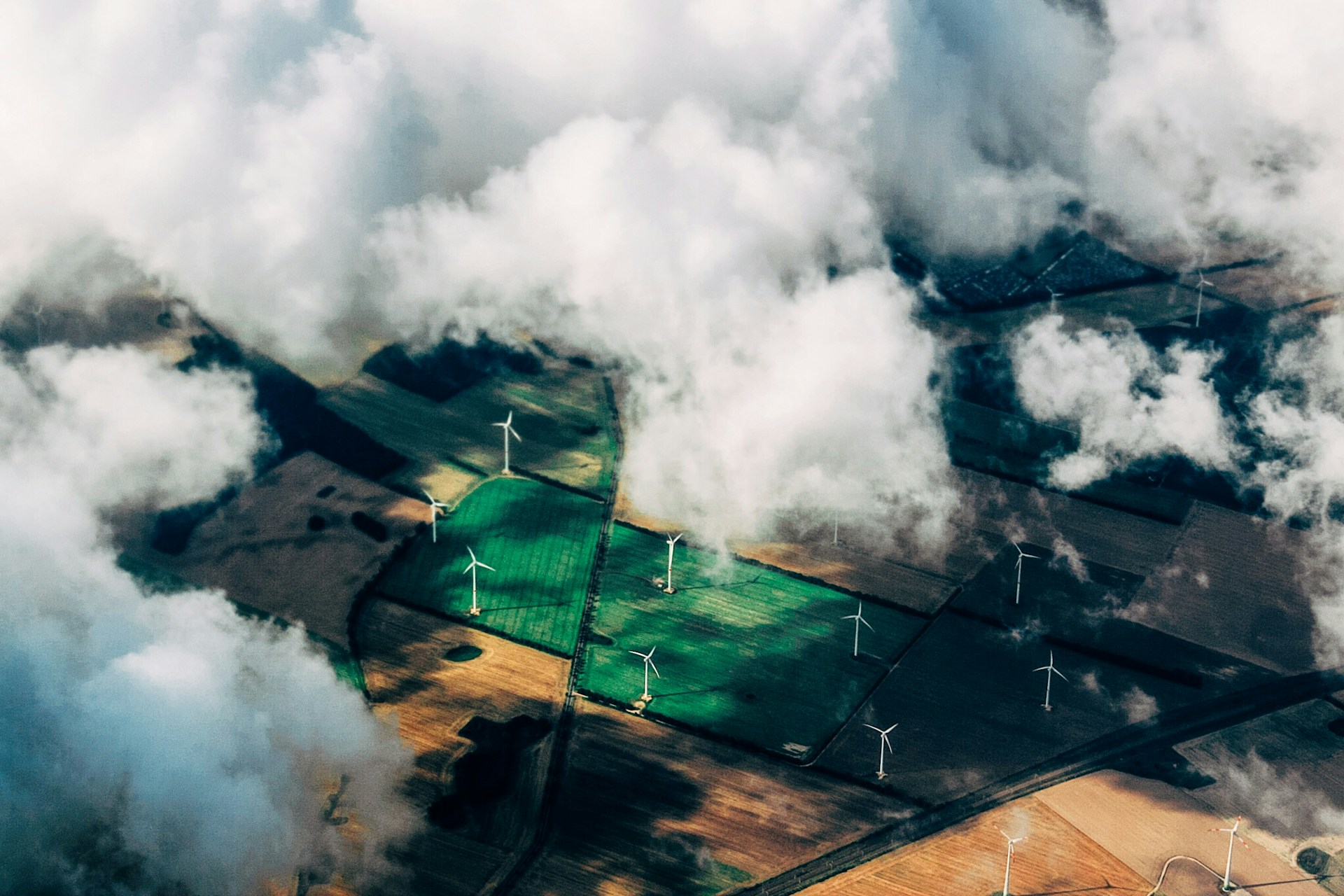
Colombia has reached 4 GW of clean generation capacity. The milestone lifts renewables to 17.09% of the national power mix and comes as the country pushes toward its 6 GW Plus target alongside new auction mechanisms for storage, long-term contracts, and supply security.
-
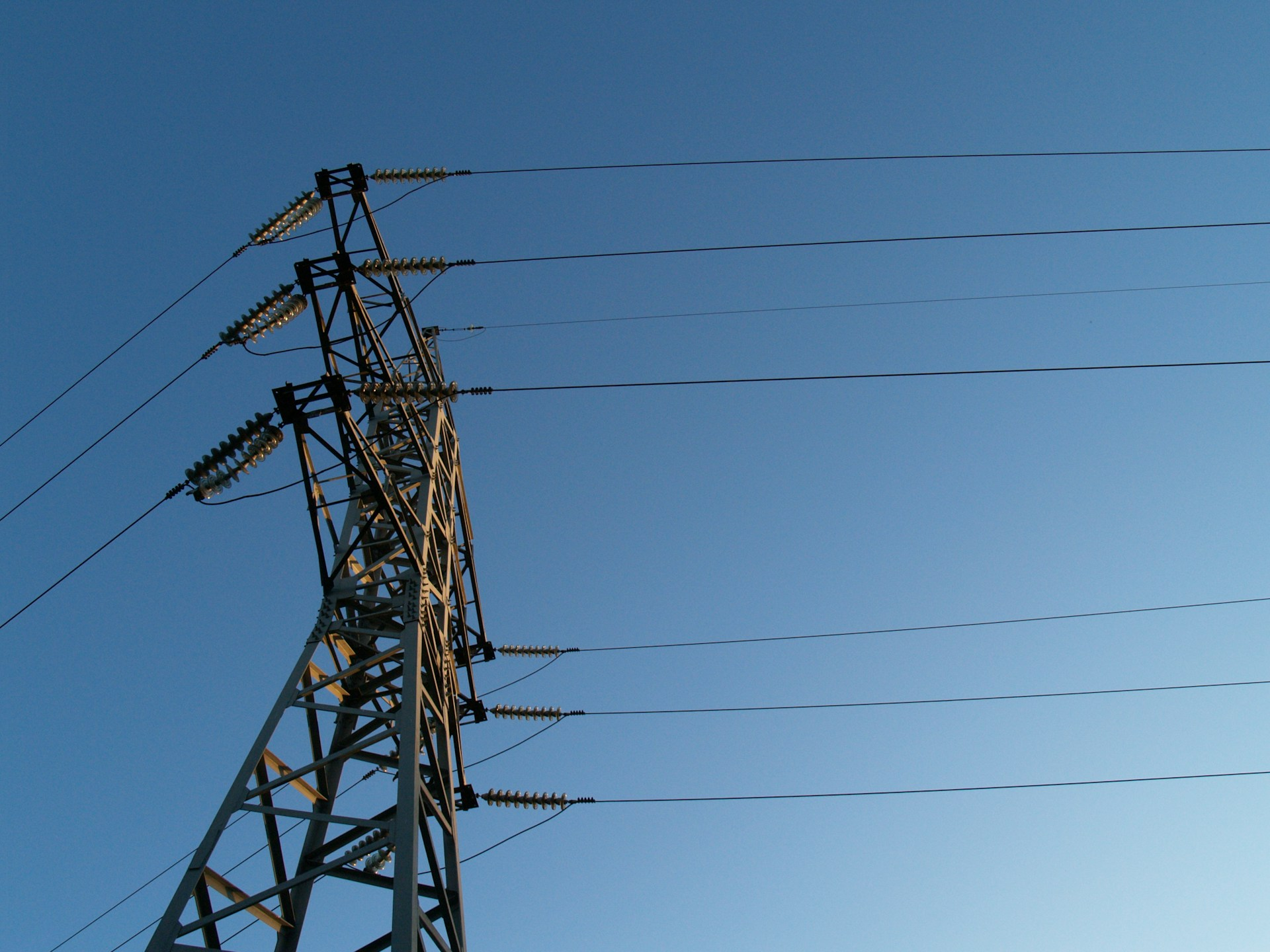
TenneT increased grid investment sharply across the Netherlands and Germany. The operator spent €14.8 billion in 2025, but said around 60% of mainland Dutch onshore projects remain delayed by an average of 2.5 years.
-

Nexans has tested subsea HVDC cable technology at 3,000 metres. The trial validated a 525kV mass-impregnated cable and joint for ultra-deep routes, with electrical testing run 30% above typical industry standards.
-
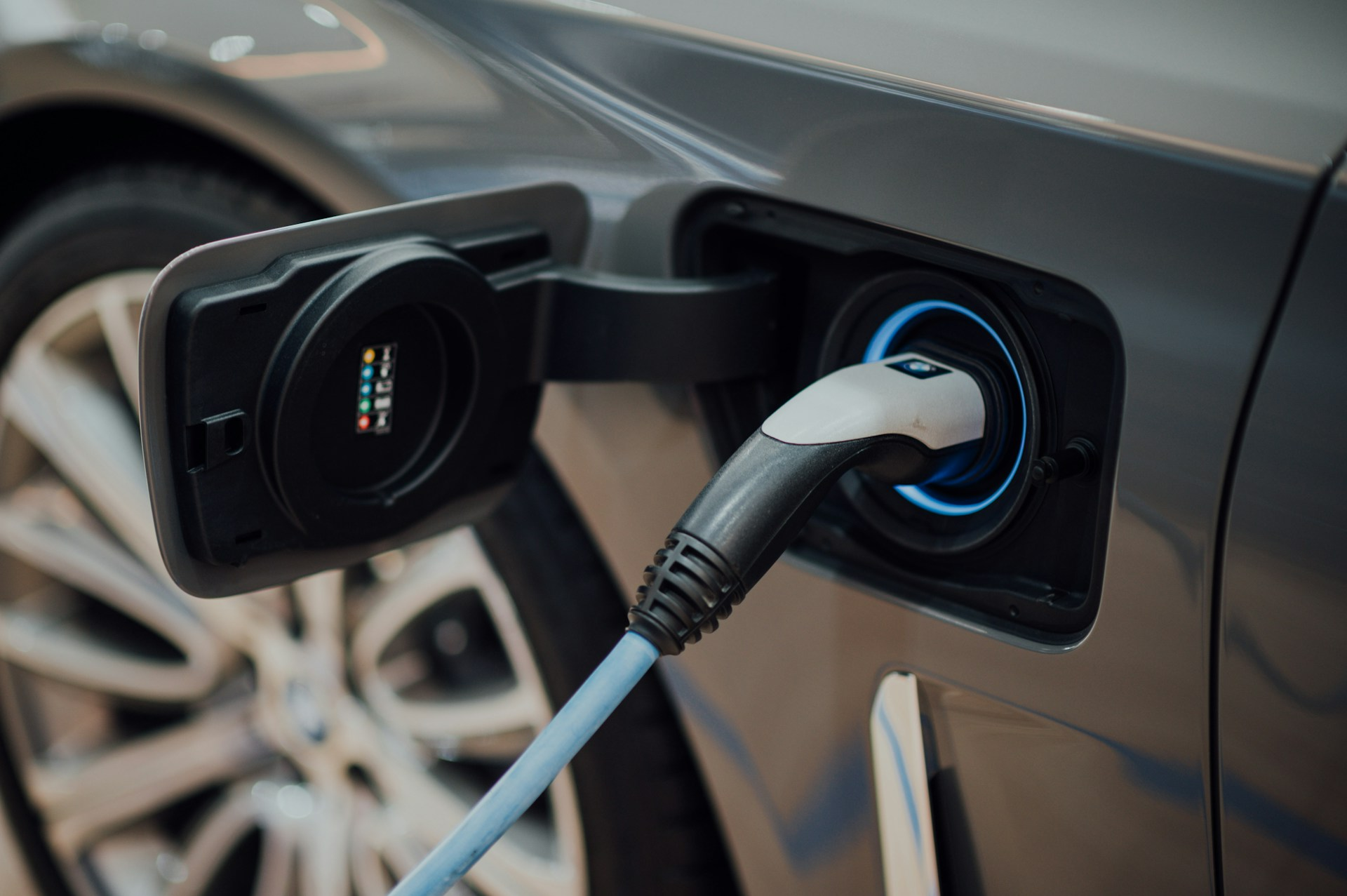
A UK tender targets batteries for constrained charging sites nationwide. The first 22 systems form the opening phase of a 160-location programme designed to support high-power EV charging where grid capacity is too limited for direct connection.
-
A London trial showed AI can modulate data centre loads. National Grid now sees a path for hyperscale facilities to act as controllable demand, cutting peak strain and accelerating new connections without interrupting critical compute workloads.
-
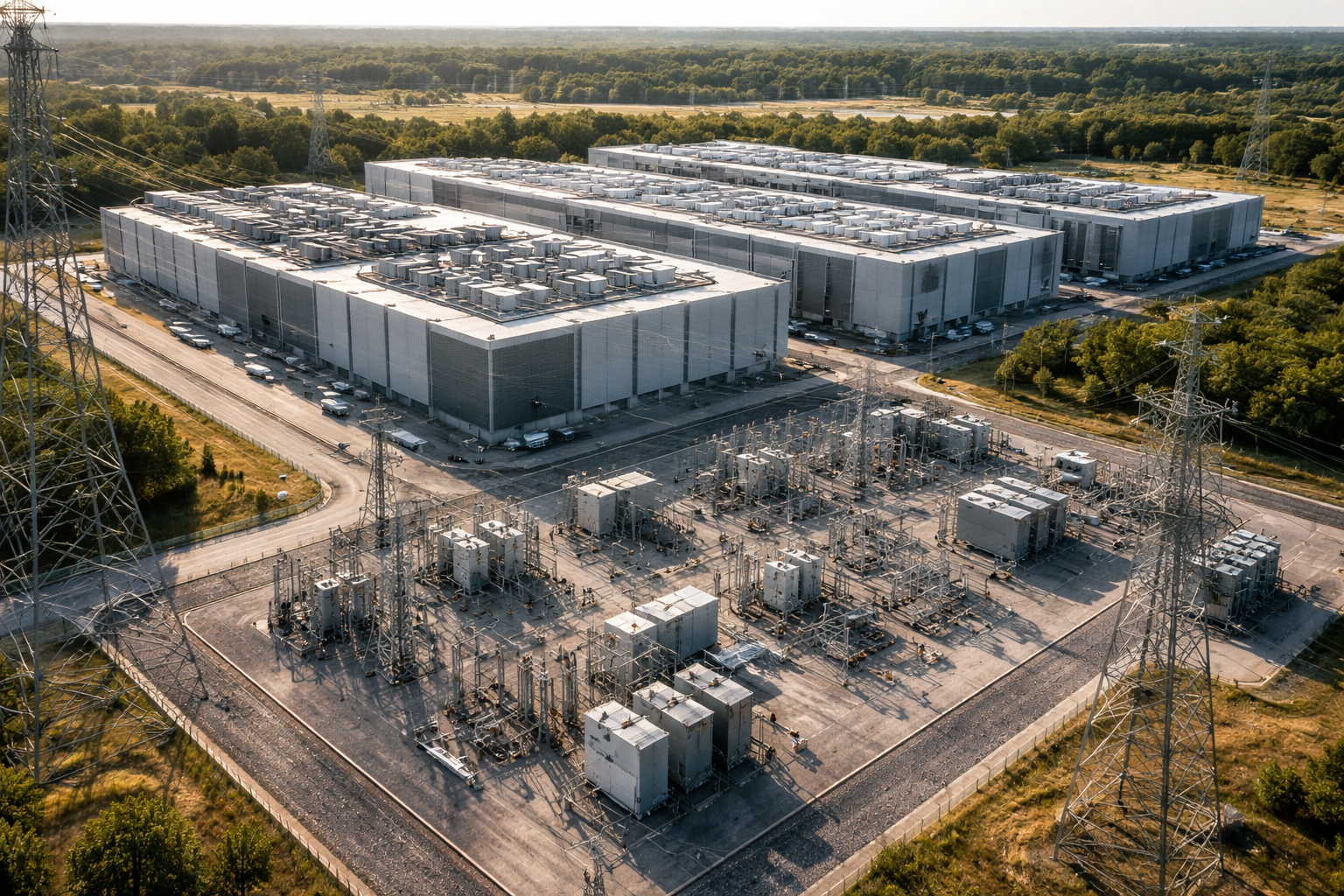
Google and Xcel are backing exceptionally large long-duration storage deployment. Their Minnesota agreement pairs a new Google data centre with 300 MW and 30 GWh of iron-air storage, plus new wind and solar capacity for the regional grid.
-
NKT has signed its largest ever power cable contract yet. The more than €2.2bn Eastern Green Link 3 award covers a 525 kV HVDC system that will move up to 2 GW between Scotland and England.
-
February forced Europe’s electrification push into a harsher delivery phase. Grid access, storage integration, and installer competence moved closer to the centre of risk across the UK and Europe.
-
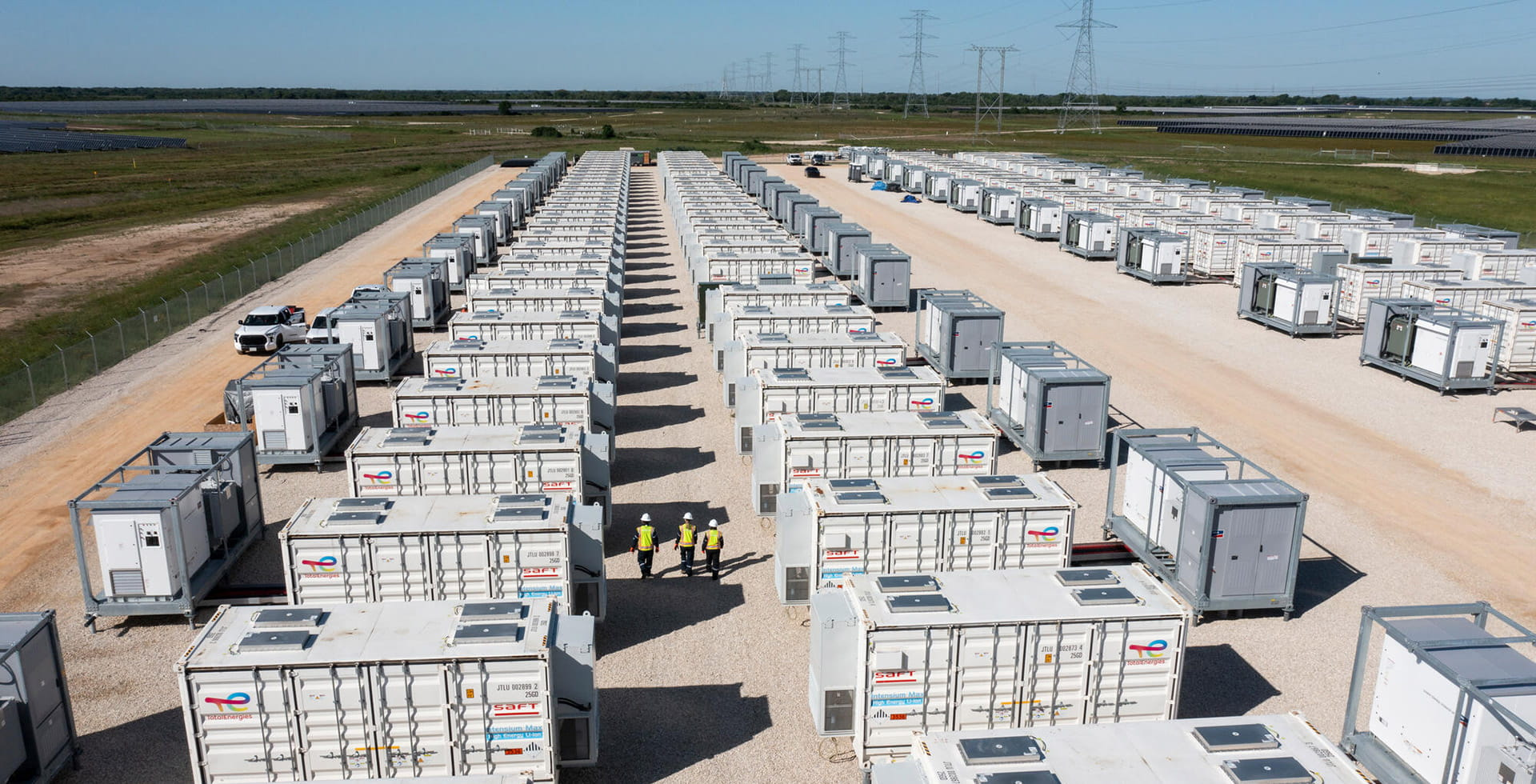
TotalEnergies and AllianzGI are scaling battery storage across Germany fast. Their €500 million partnership covers 11 projects totalling 789 MW and 1,628 MWh, with commissioning scheduled by 2028 as battery storage takes a firmer role in German grid operations.