
Energy
—
-
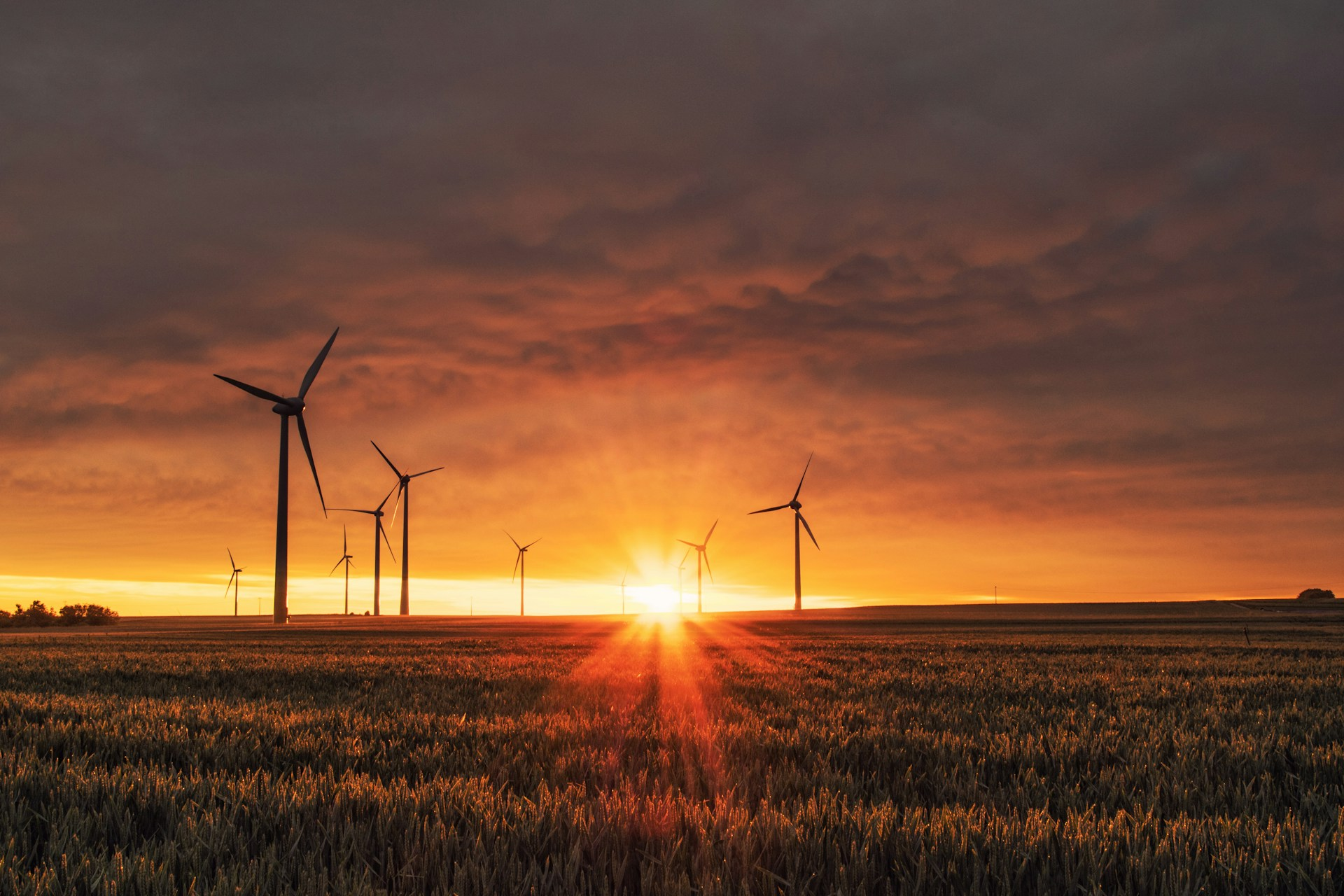
EIB backing will expand wind industry guarantees across European projects. Danske Bank can provide up to €500 million supporting equipment production and delivery.
-
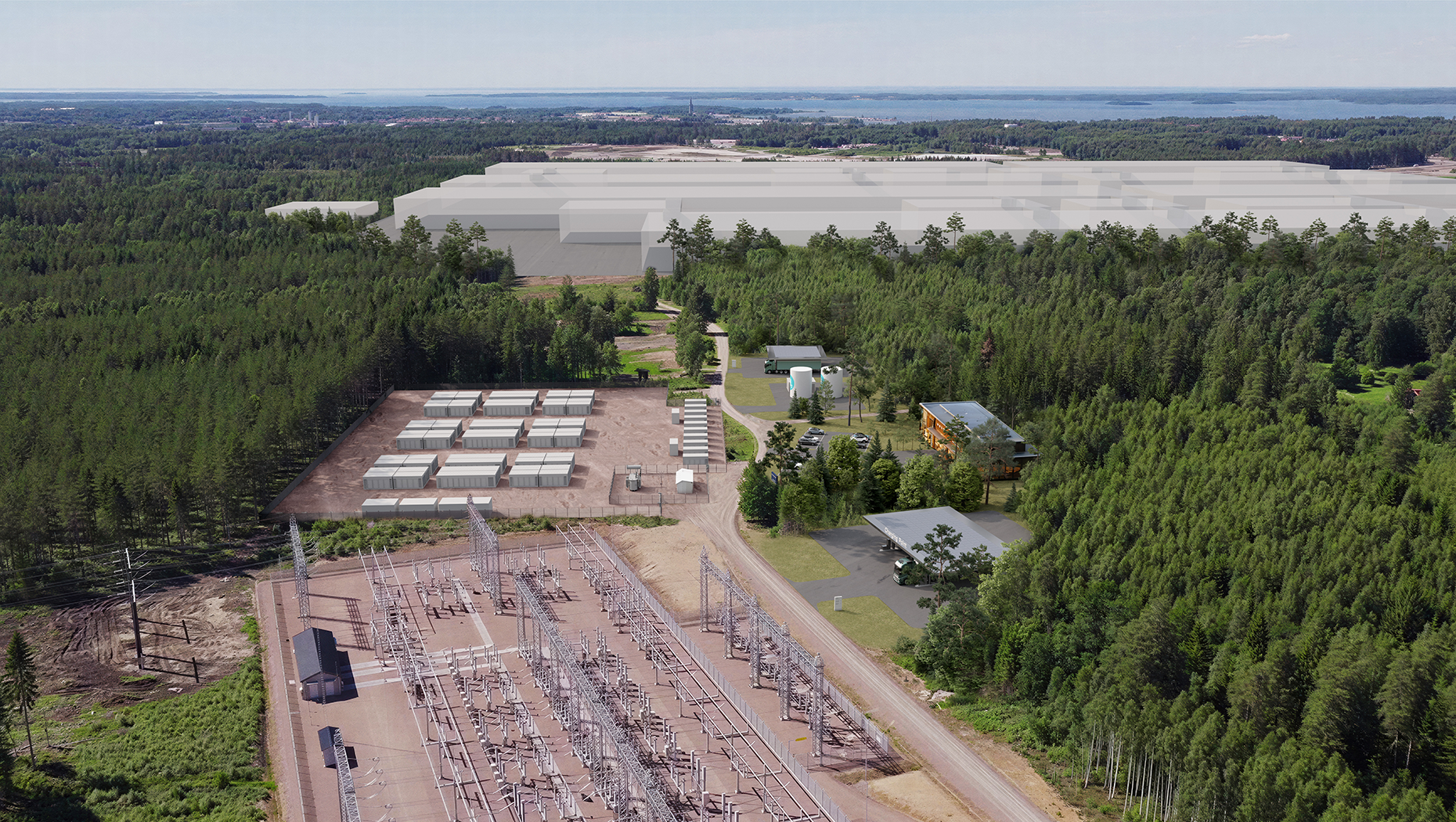
Volvo plans a 260MWh battery energy park development in Sweden. The Mariestad development will combine grid-scale storage with a full-scale test facility for future energy technologies.
-

Centrica will optimise a 300MWh Finnish battery project from 2027. A partial tolling agreement gives Karppio access to wholesale, balancing, and ancillary-service markets.
-
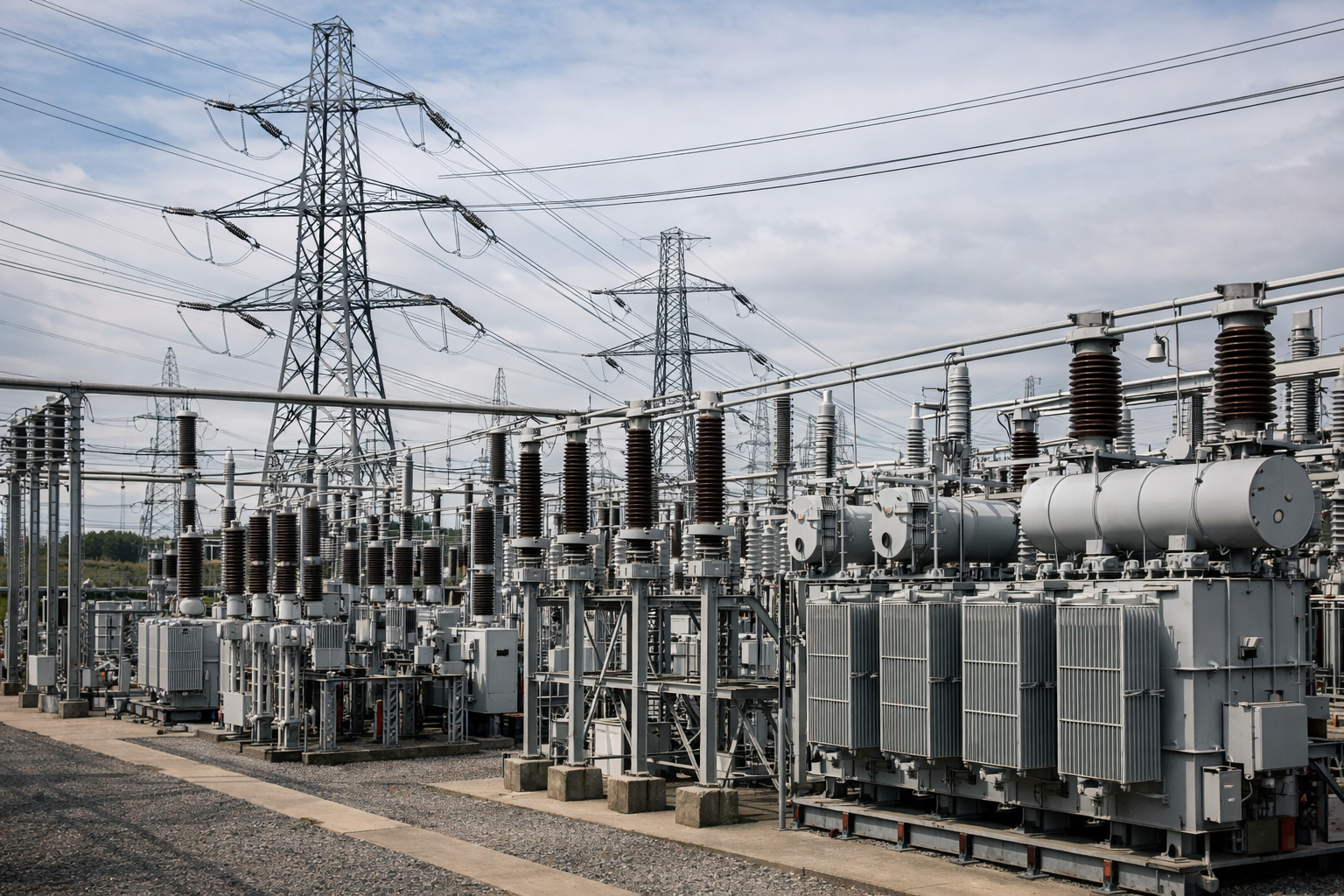
Vattenfall has approved a 1GWh battery storage project in Germany. The 254MW system will connect to 50Hertz’s 380kV network and target end-2028 commissioning.
-
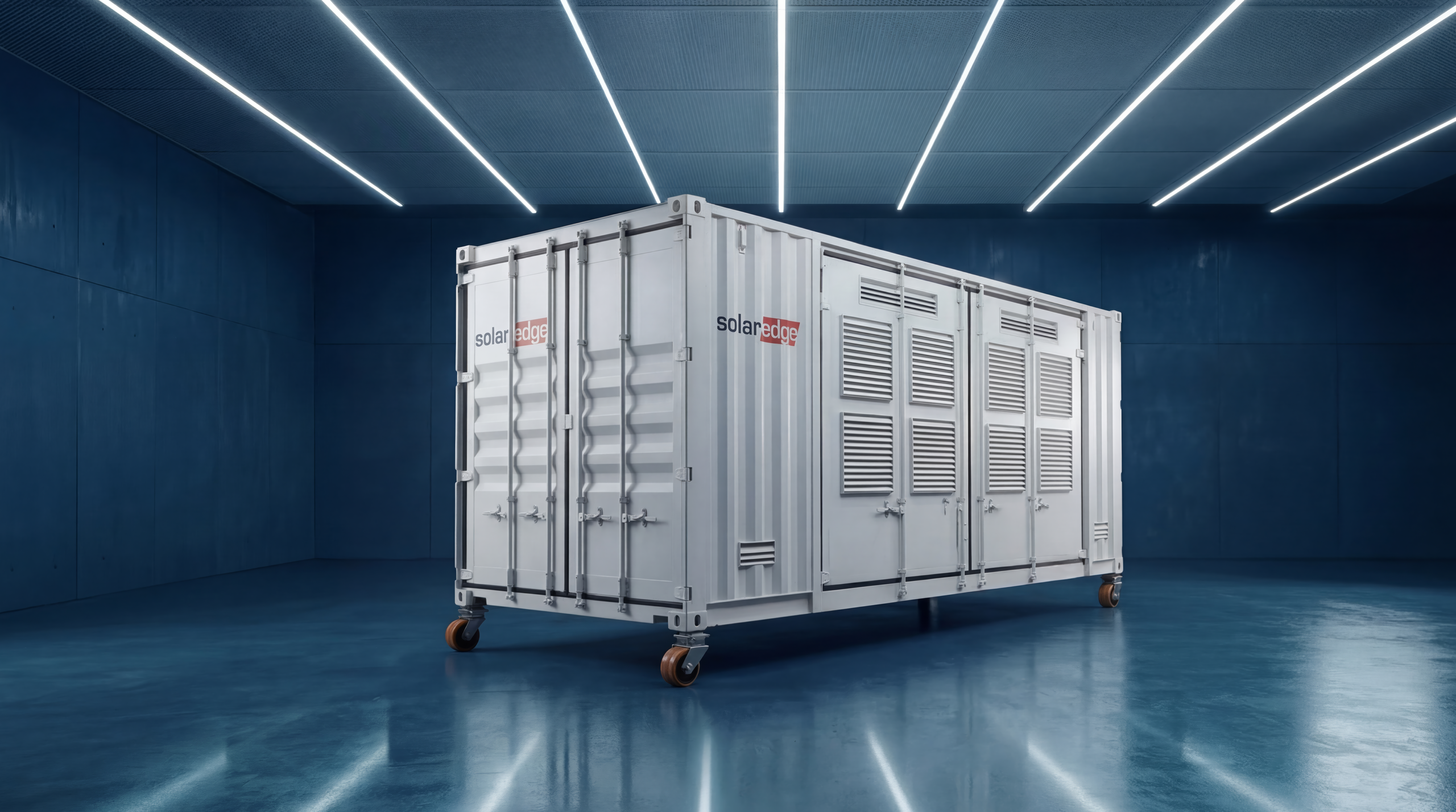
SolarEdge and Infineon extend 800VDC protection into solid-state circuit breakers. Their collaboration combines SolarEdge distribution design with Infineon silicon-carbide JFET technology to target microsecond-scale fault isolation between solid-state transformers and high-density AI computing loads.
-
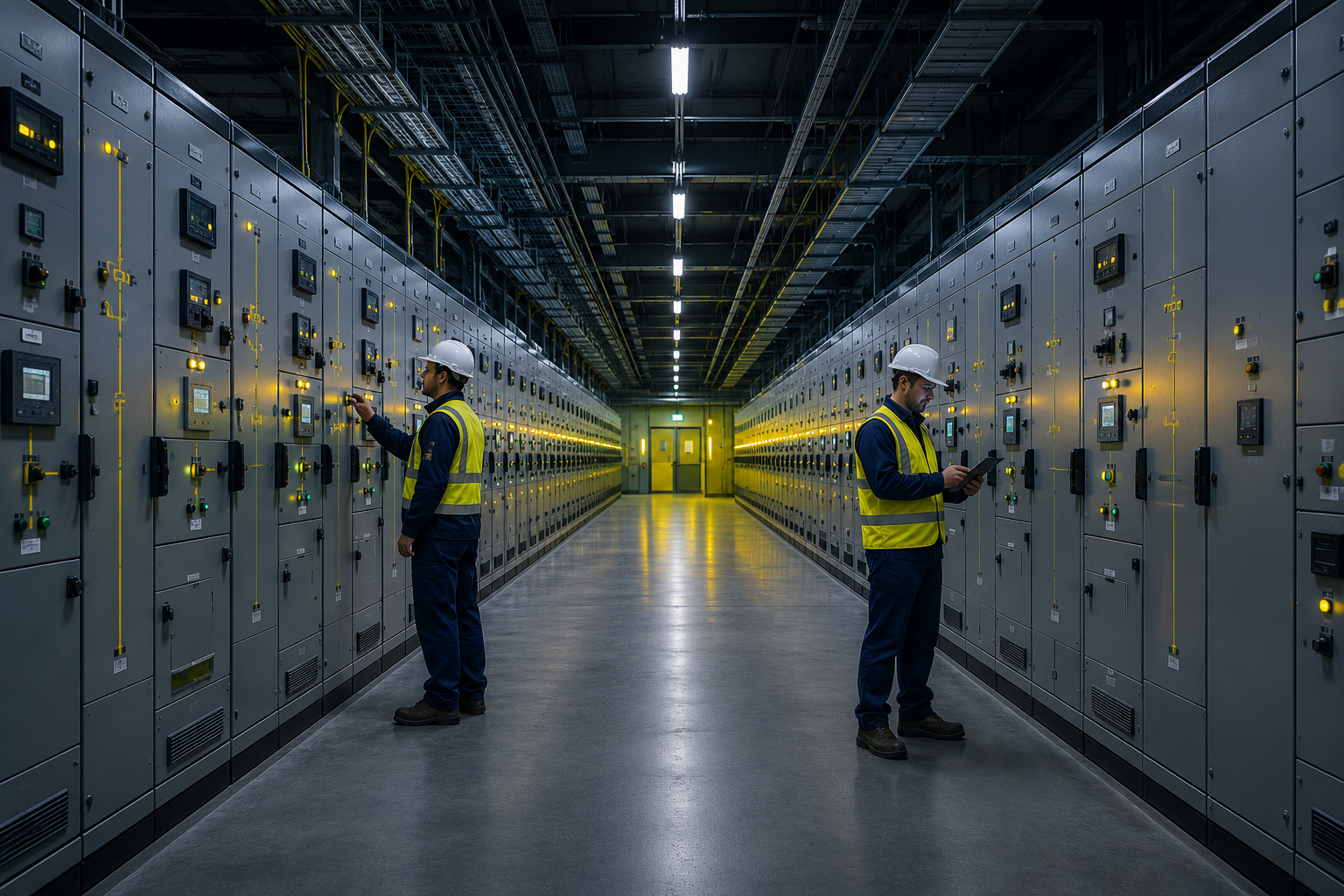
ABB and BCG argue hybrid AC/DC systems are moving mainstream. Their report puts 800VDC distribution among the immediate applications in AI data centres, while fragmented standards and shortages of DC-specific engineering skills remain barriers to wider deployment.
-
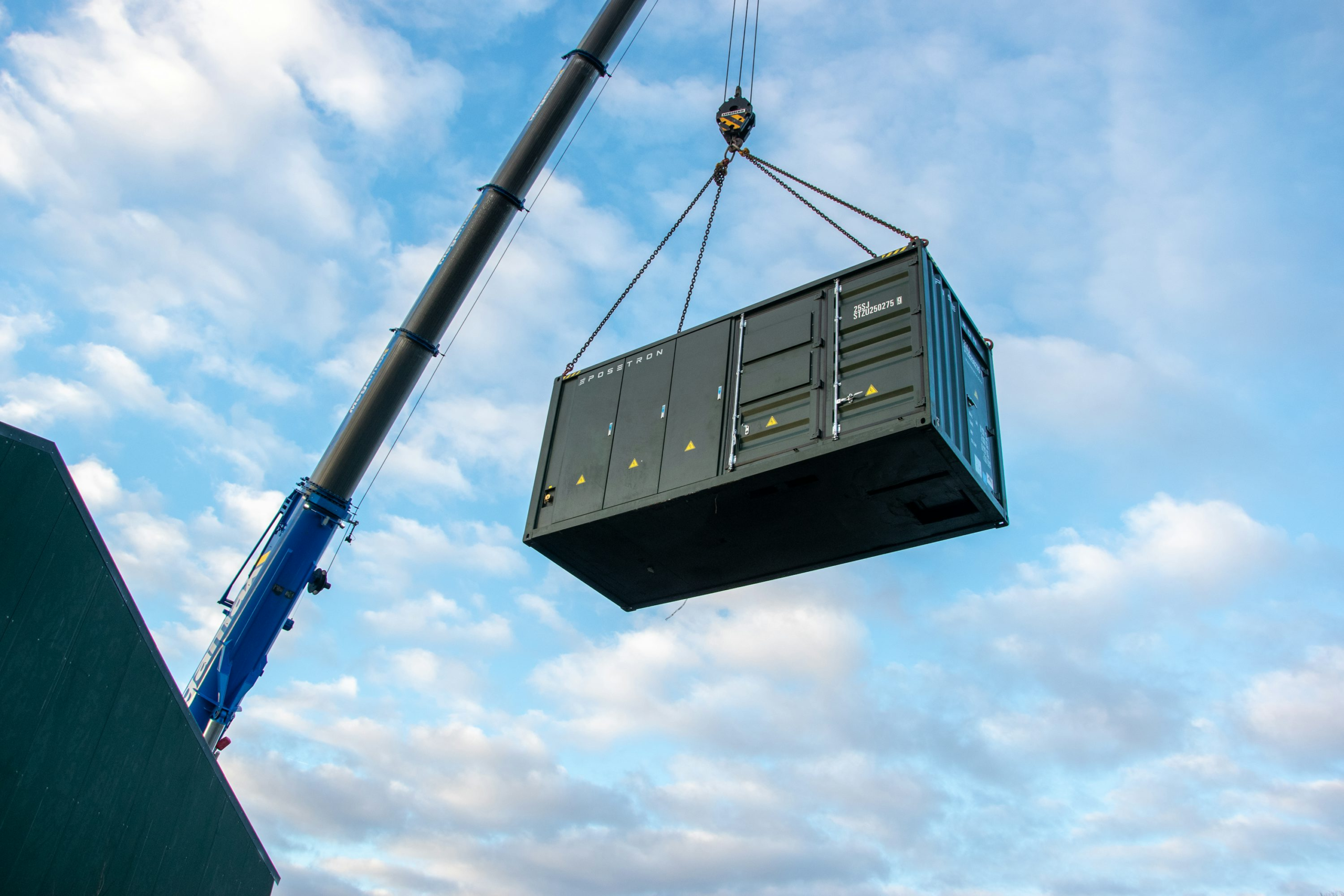
Axpo commissioned Switzerland’s largest operating battery storage system at Gurtnellen. Its 50MW installation sits beside energieUri’s separate 8.4MW battery and existing grid and generation infrastructure in Canton Uri.
-
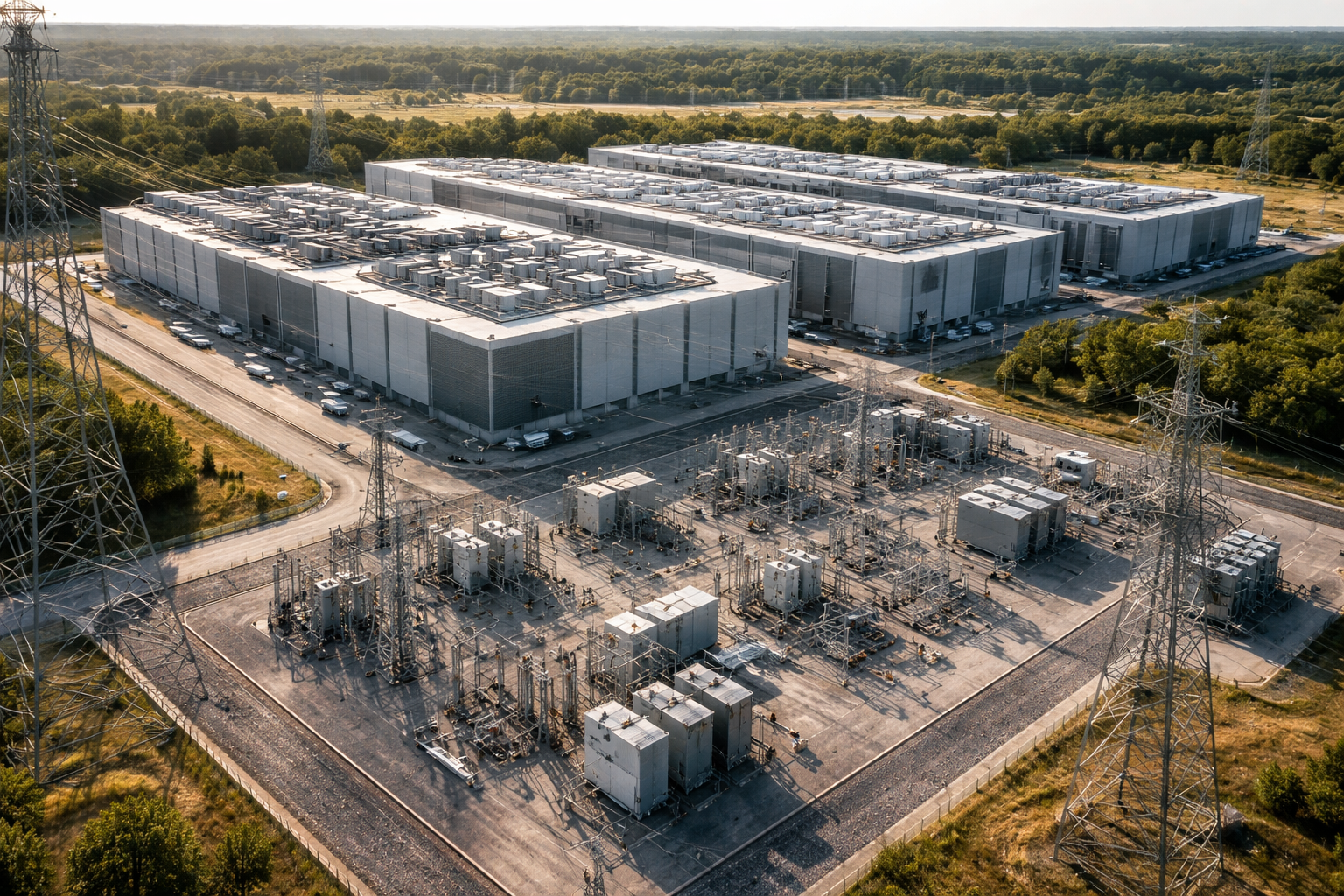
Fortum and Google linked Loviisa’s future to long-term power demand. A 22-year nuclear PPA supports lifetime-extension investment, uprating, and a new 94MW battery alongside Google’s expanding Finnish data-centre estate.
-
Government seeks evidence on AI deployment across Britain’s energy system. The consultation will inform the first UK AI for Clean Energy Strategy and examines data, regulation, integration, security, skills, and increasing operational autonomy.
-
Jacobs will lead regulatory work for EnergyPathways’ MESH storage project. The appointment covers planning, consenting, environmental work, grid connection, and support for Ofgem’s forthcoming cap-and-floor application.