IN Brief:
- A new €135 million package lifts total support for the Caucasus Transmission Network to €313.2 million, alongside current EIB co-financing of €10 million.
- The project is designed to strengthen cross-border transmission, support renewable integration, and expand reliable electricity exchange across the South Caucasus.
- For Armenia, the investment advances a longer-term route into wider regional and European power markets through a stronger Armenia-Georgia interconnection.
European Investment Bank and KfW have completed a further €135 million financing package for Armenia’s Caucasus Transmission Network, adding fresh momentum to one of the region’s most significant power interconnection programmes. The agreements, signed on 19 March, combine a €120 million KfW loan backed by German federal risk cover with a €15 million grant from the EU Neighbourhood Investment Platform.
The new commitments take overall support for the project to €313.2 million, while the EIB is currently co-financing with €10 million. The funding is intended to strengthen Armenia’s energy security and independence, while expanding the transmission backbone needed to absorb new renewable generation and support more stable cross-border electricity exchange. That gives the package a strategic role beyond the headline figure, because it extends the physical grid works needed to move Armenia closer to a more flexible regional market position.
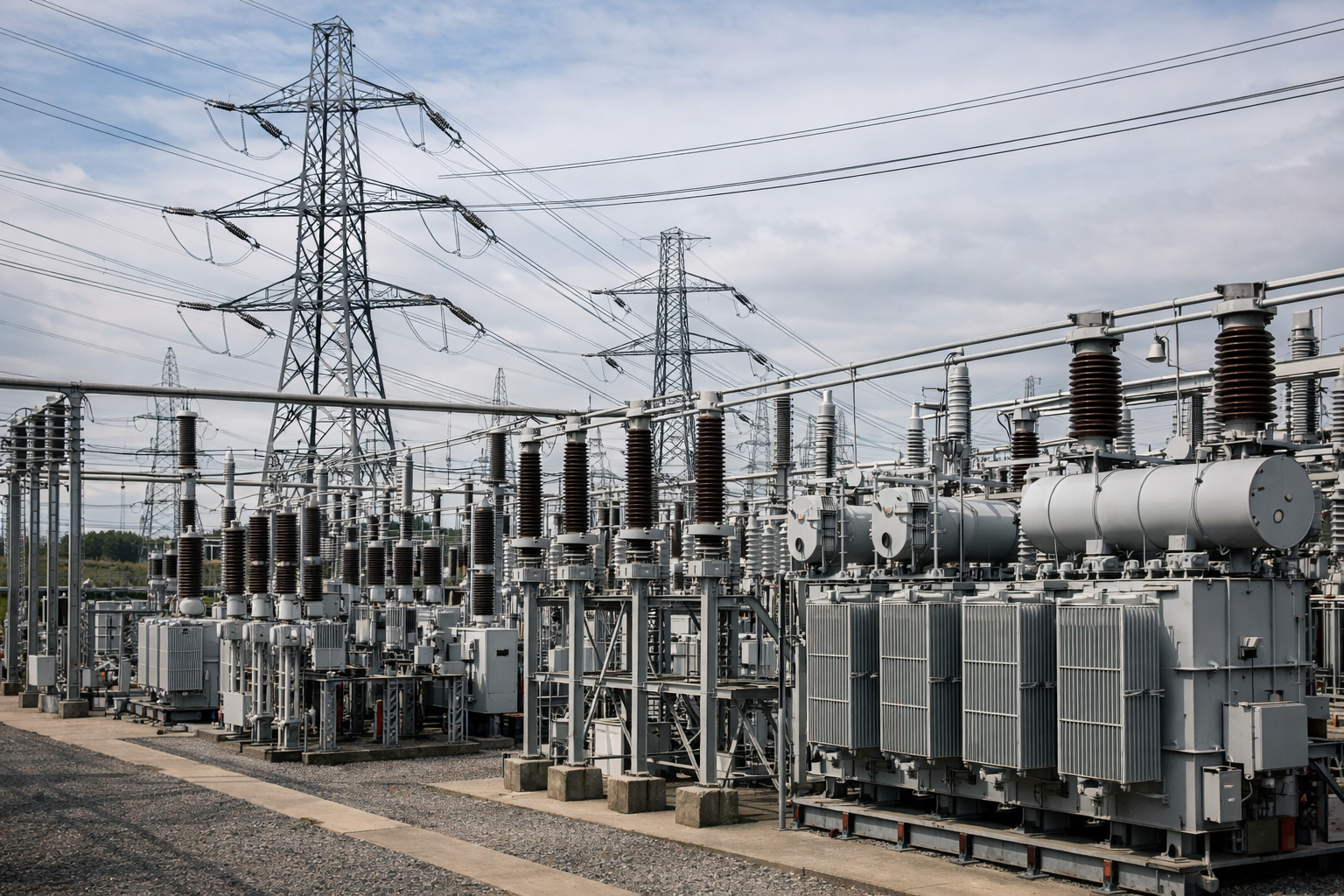
The Caucasus Transmission Network is closely tied to the Armenia-Georgia interconnection programme, centred on a high-voltage direct current back-to-back station in Ayrum and associated transmission infrastructure linking the two systems. That design allows controlled cross-border exchange between neighbouring grids with different operating conditions, while improving stability, transfer capability, and access to external markets. In practical terms, the network is intended to carry more power across the South Caucasus, improve dispatch flexibility, and reduce the bottlenecks that often sit between renewable buildout and actual market integration.
The latest financing also sharpens the project’s European dimension. Existing EIB project documentation has framed the interconnection as a route toward broader regional trade and, via Georgia and Turkey, improved access to European power markets. The current funding round extends that logic by tying transmission reinforcement directly to renewable integration, cross-border exchange, and Armenia’s wider grid resilience at a point when interconnection quality is becoming as important as generation volume.
For the transmission sector, the significance lies in the infrastructure mix rather than the sum alone. Cross-border energy resilience increasingly depends on controllable interconnection assets, substations, and high-voltage corridors that can support both stability and market access. Armenia’s latest package pushes that buildout forward, and does so in a way that links regional engineering works to a broader European grid trajectory.