IN Brief:
- H2_POLYTECH was inaugurated in Storo, Trentino, on 22 October 2026.
- The scheme brings together a 1 MW PEM electrolyser and approximately 4.7 MWp of solar panels.
- It forms part of Italy’s PNRR programme to develop renewable hydrogen production on disused industrial sites.
BM Group and Polytec Energy have inaugurated the H2_POLYTECH renewable hydrogen facility in Storo, in Italy’s Trentino region, bringing a 1 MW proton exchange membrane electrolyser together with approximately 4.7 MWp of photovoltaic generation. The inauguration took place on 22 October 2026 at a previously disused industrial site. Storo is a municipality of around 4,500 people, where the development also demonstrates how energy infrastructure can reuse existing industrial and quarry land. The project is intended to demonstrate how renewable electricity and local hydrogen production can be integrated with industrial activity. The companies have announced the opening of the facility but have not provided a verified full-load hydrogen production rate or an extended operating performance record.
The development is backed through Italy’s National Recovery and Resilience Plan, known as PNRR, under a programme supporting green hydrogen installations in former industrial areas. The relevant investment programme is part of the European Union’s NextGenerationEU recovery framework. H2_POLYTECH was selected through a call managed by the Autonomous Province of Trento. The funding programme predates the inauguration; the event did not constitute a separate new grant award.
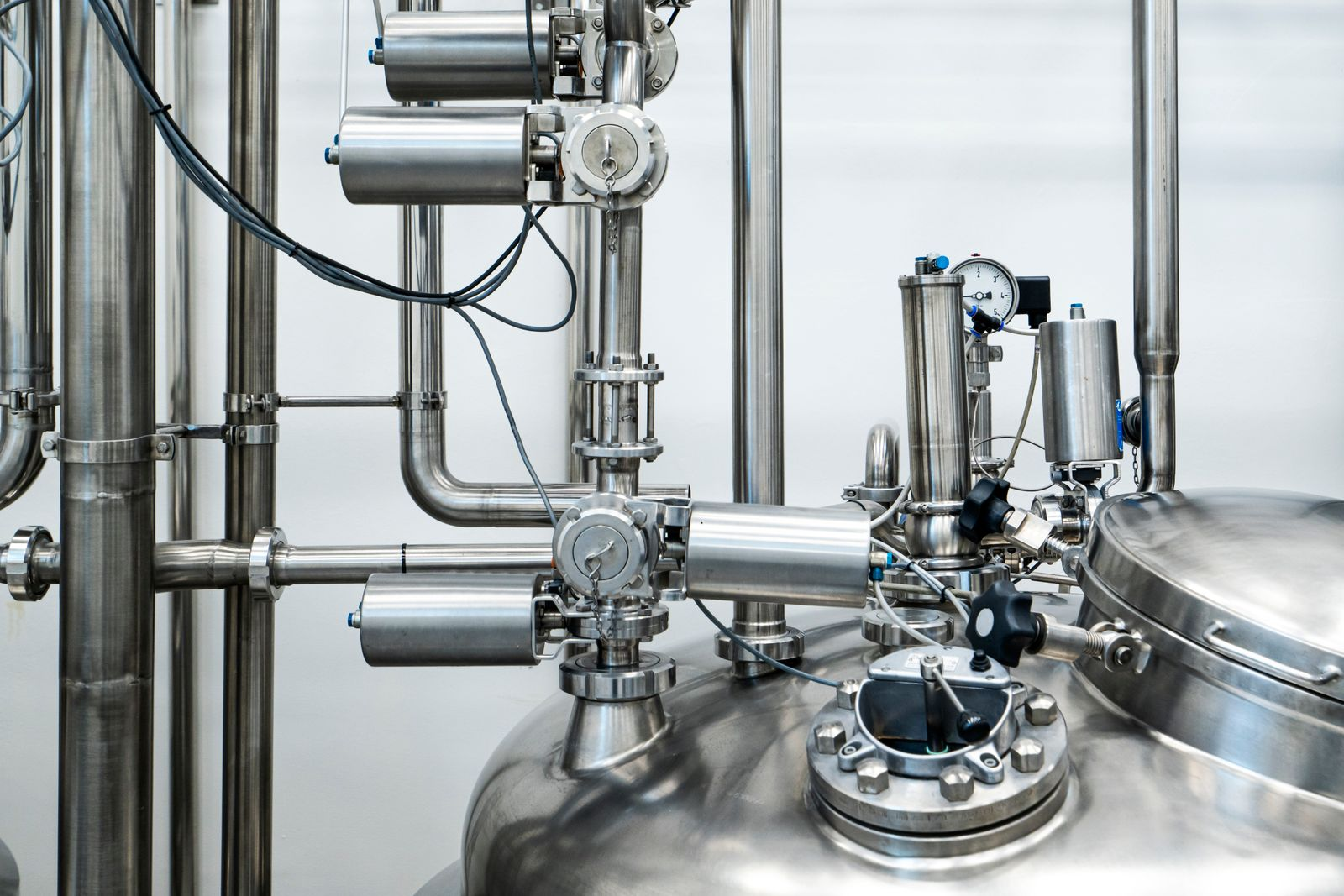
The 1 MW rating describes the electrolyser’s nominal electrical capacity, not the amount of hydrogen it can supply to consumers over a day or a year. A PEM electrolyser uses electrical input to split water into hydrogen and oxygen. The quantity of hydrogen produced depends on power supplied, equipment efficiency and the time spent operating. Solar capacity is expressed here in MWp, which describes peak output under reference conditions. The 4.7 MWp photovoltaic figure therefore cannot be equated directly with uninterrupted 4.7 MW output or continuous operation of the electrolyser.
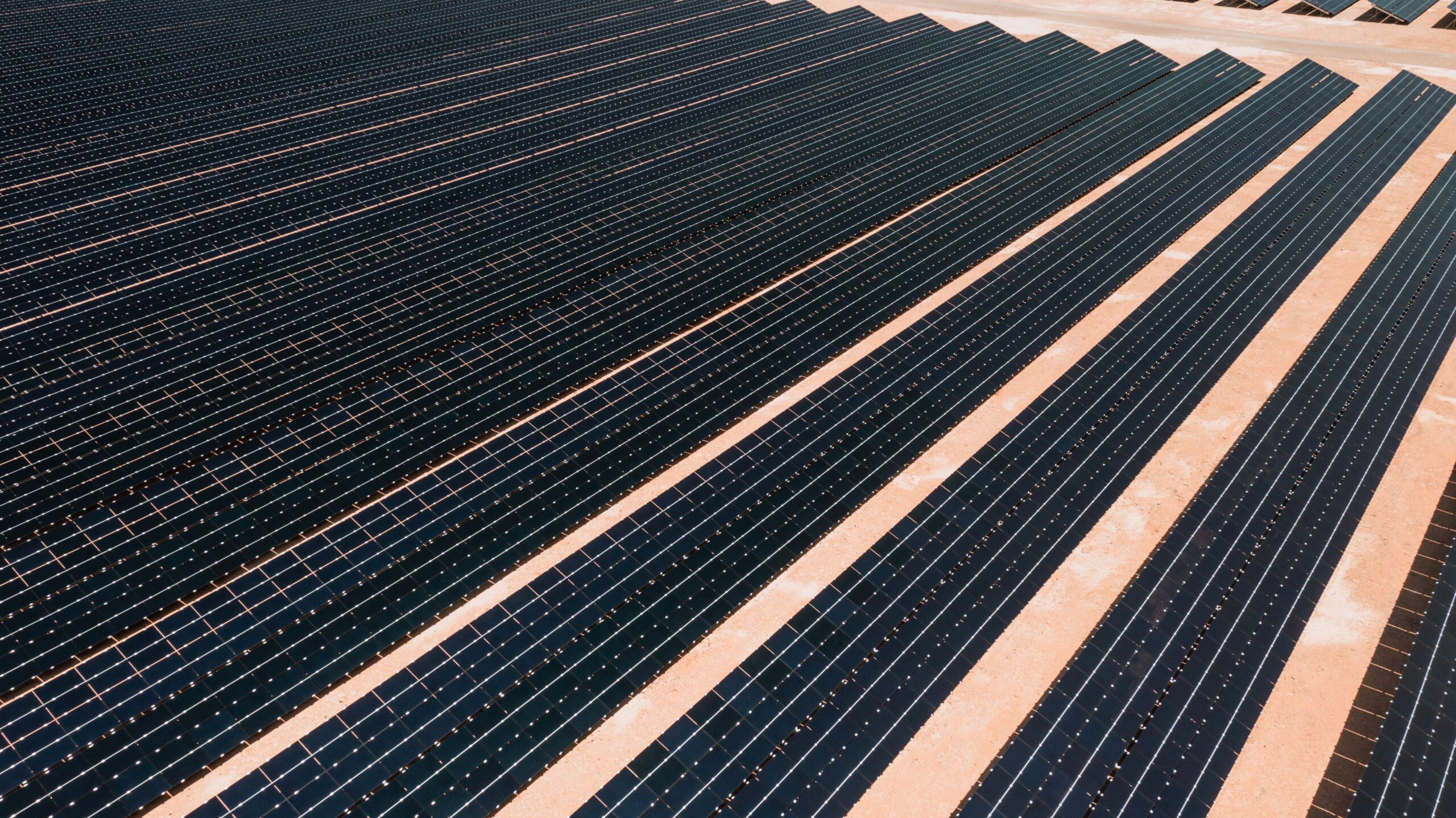
The project makes use of existing physical space. Solar equipment has been accommodated on industrial rooftops, purpose-built canopies, an exhausted quarry and land formerly used for processing quarried material and recovering aggregates. The layout is significant because new electricity generation can create land-use conflicts or require extensive new sites. In Storo, the promoters have linked the project to the reuse of industrial ground. The operators have not disclosed hourly solar generation, an annual production total or the allocation of electricity across individual connection arrangements.
Locating hydrogen production close to industry is a principal part of the design. Hydrogen produced beside a user may avoid some of the transport infrastructure required when production is remote. It can still need compression, storage, process equipment and suitable safety arrangements depending on its end use. The promoters say proximity should make it easier to integrate hydrogen with industrial processes and reduce handling requirements. Their description supports the local-supply model, but does not confirm volumes already delivered to individual customers or the commissioning status of any customer conversion equipment.
BM Group identified local manufacturer Innova among the participants in the opening, describing its intended use of energy from the development in manufacturing processes. The event also included discussion of the FLEXIA research project, funded by Italy’s Ministry of the Environment and Energy Security and presented by Maps Energy. FLEXIA addresses energy flexibility management with regional industrial and electricity-system partners. This related activity should not be represented as part of the electrolyser’s installed nameplate capacity or as proof that an integrated flexibility service is already operating commercially.
The inauguration also illustrates how generation and demand have to be aligned when hydrogen production is linked to variable renewable electricity. Solar output changes throughout the day and across seasons. An electrolyser can respond to changes in available electricity within its operating limits, but industrial users may require hydrogen at times when solar production is low. Project developers must therefore consider electricity sourcing, possible hydrogen storage and the customer’s required delivery profile. The operators have not specified how intermittent solar supply will be managed or whether supplementary electricity will be used.
The project now has a physical facility and a stated industrial-use purpose, unlike announcements limited to proposals or studies. Its next meaningful evidence will be measured performance: electricity consumed, hydrogen produced, operating hours and quantities used by nearby businesses. Those figures would allow the installation’s industrial and emissions impacts to be assessed rather than assumed from its equipment ratings. At the October opening, the documented milestone is the inauguration of a 1 MW PEM hydrogen installation alongside around 4.7 MWp of solar generation at the redeveloped Storo site.