IN Brief:
- Prysmian and VARD reported sea trials from the Søviknes yard in Norway on 23 October.
- The 192.8-metre vessel has three cable carousels with combined capacity of 19,000 tonnes.
- Delivery is planned for 2027; sea trials do not amount to commercial cable installation.
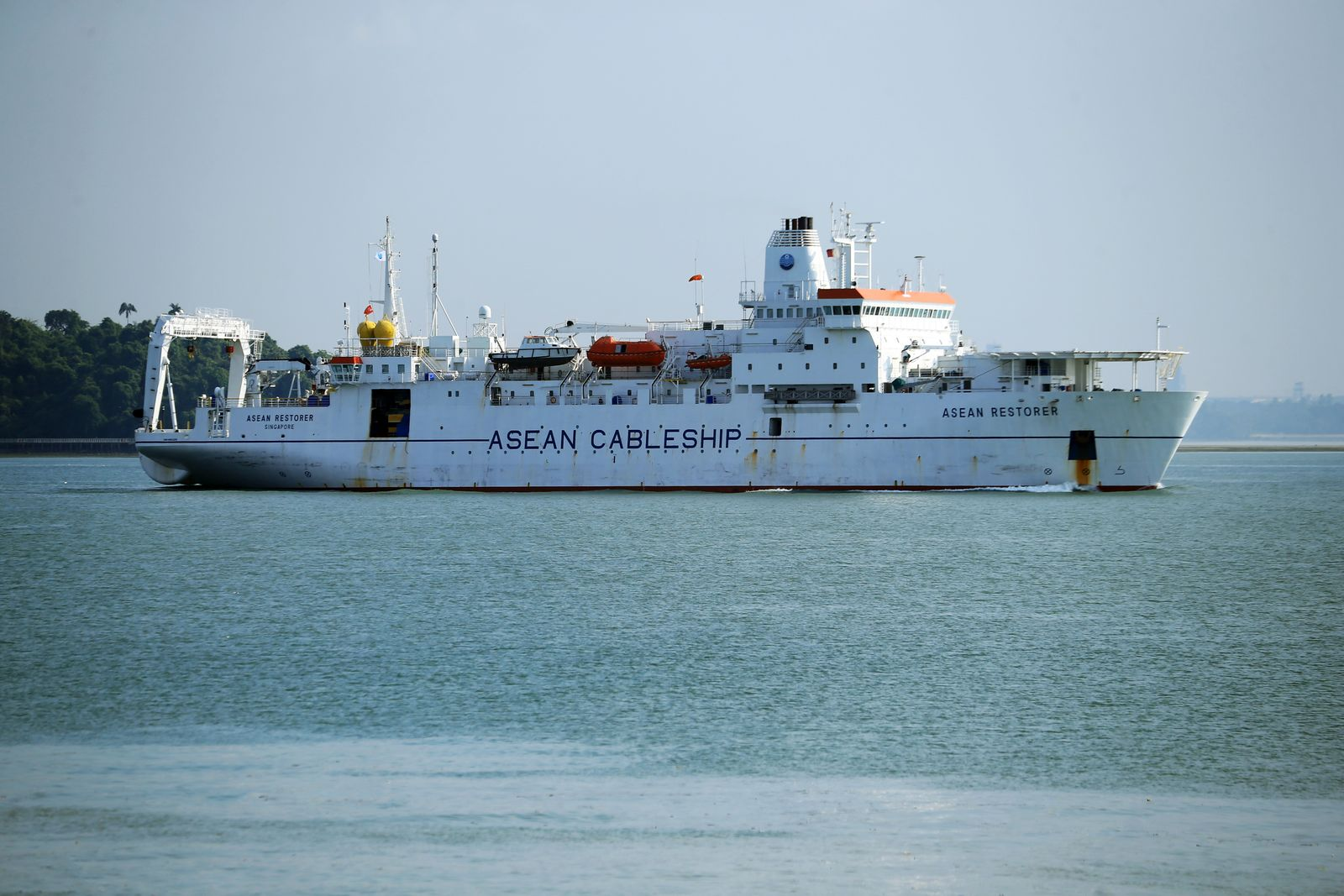
Prysmian is testing its new subsea cable-laying vessel Alessandro Volta in Norway, advancing a major addition to its offshore electricity transmission installation fleet. The cable manufacturer and shipbuilder VARD reported the start of sea trials on 23 October 2026, with the work based at VARD’s Søviknes yard. The 192.8-metre vessel is designed to install power cables in water depths of up to 1,500 metres and carry 19,000 tonnes of cable across three carousels. Sea trials mark a commissioning and verification stage for the ship rather than the start of commercial cable installation.
Alessandro Volta is based on the VARD 9 18 design and is the largest vessel the shipbuilder has launched to date, according to VARD. The specification combines a broad cable storage arrangement with systems for controlling the forces applied as cable moves from the vessel to the seabed. The tensioning equipment is rated for a maximum of 60 tonnes. This is a handling capability, not the weight of cable carried on a single deployment. Cable engineering must account for the product’s mass, geometry and installation forces, as well as the vessel’s movements and the conditions at the work site.
The three carousels allow separate cable lengths to be stored and managed during a campaign, supporting the scale and sequencing of offshore power link work. A cable-laying operation may involve substantial changes in seabed depth, weather and the route’s geometry. Installation crews need to maintain control of cable movement to reduce the risk of damage during overboarding and touchdown. Larger storage capacity can reduce the frequency of loading operations on suitable projects, although the actual length of cable carried depends on the particular cable design and mass per metre, not only on the headline tonnage figure.
The vessel is specified with DP3 dynamic-positioning capability. Dynamic positioning allows a ship to hold its position or follow a planned track using propulsion and control systems, rather than relying exclusively on anchoring. Redundancy requirements under the DP3 classification are relevant to operations in which a loss of position could create safety or equipment risks. Prysmian also lists bundled cable installation and simultaneous laying and burial among the vessel’s intended capabilities. Such operating modes need to be validated with the vessel’s installed systems and project-specific procedures before they are treated as available for commercial campaigns.
Construction began at VARD’s Tulcea facility in Romania in September 2024. The hull was erected there during 2025 and the ship travelled to Norway in January 2026 for further outfitting and installation of mission equipment. The current Norwegian trials follow that phase. Delivery is planned for 2027, subject to satisfactory trials, remaining work and handover arrangements. Prysmian has not announced, in this sea-trial update, that the ship has completed a first cable-laying contract or passed all acceptance trials.
A planned part of its mission equipment is a heavy-duty cable burial plough developed by British subsea engineering company SMD. Prysmian intends the plough to operate from Alessandro Volta and another vessel, Monna Lisa. Burial can be important where a cable route crosses seabed exposed to fishing equipment, anchoring activity or other external threats. The required protection method and depth depend on the route survey, soil conditions and risk assessment. The plough’s design capability should not be confused with evidence that a specific export or interconnector cable has already been buried by the new vessel.
For grid operators and offshore wind developers, specialised installation vessels are part of the physical capacity required to deliver new transmission links. Export cables, interconnectors and associated offshore electrical infrastructure require heavy equipment and highly planned marine campaigns. Vessel availability can influence installation scheduling, but it is one of several factors alongside manufacture, marine permits, seabed surveys and suitable weather. The entry of Alessandro Volta into trials increases the prospect of additional capacity, without implying any particular project will be completed sooner or that installation slots have been secured.
The next milestones are completion of the sea-trial programme, any remaining commissioning or acceptance work and formal delivery to the operator. Only after those steps can the vessel’s performance be judged against its contracted installation work. Its reported 19,000-tonne cable capacity, deep-water capability and handling systems indicate the range of projects for which it is being designed. The October development itself is a vessel testing milestone in Norway, ahead of operational deployment on subsea power cable routes.