IN Brief:
- Red Eléctrica selected Nexans as preferred supplier for Mallorca–Menorca 3.
- The proposed 132kV alternating current circuit includes 64.5km of subsea cable.
- A six-month engineering phase precedes any final construction and installation agreement.
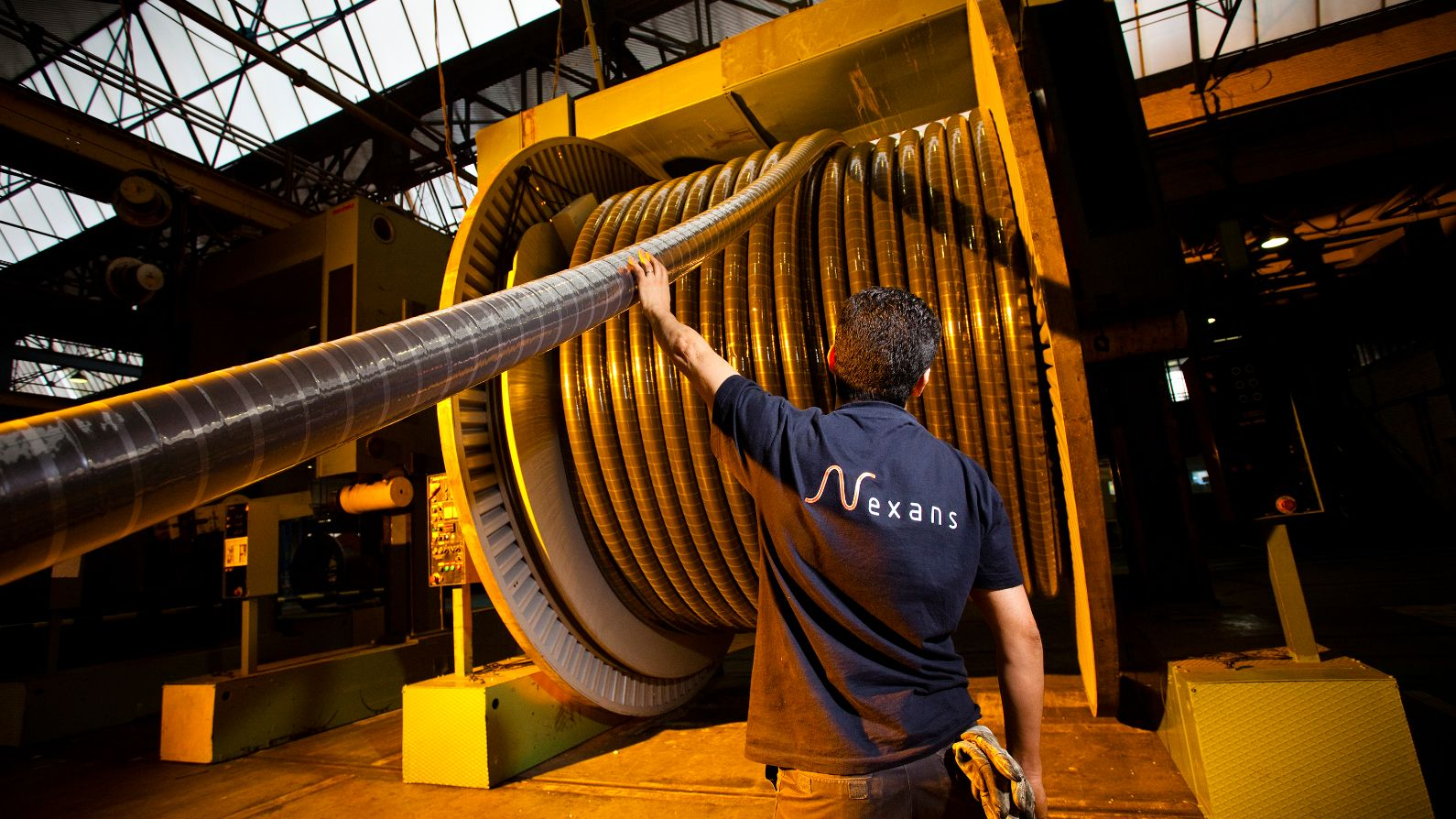
Nexans has been selected by Spanish transmission system operator Red Eléctrica as preferred supplier for the Mallorca–Menorca 3 electricity interconnector, which is intended to strengthen supply security across the Balearic Islands. The proposed project involves a 132kV alternating current cable connection incorporating subsea and underground sections, with the initial agreement covering six months of collaborative engineering ahead of a possible construction and installation contract.
The appointment, announced on 22 October, begins a six-month collaborative engineering phase intended to support a later engineering, procurement, construction and installation (EPCI) agreement. Nexans has not announced an unconditional contract to manufacture and install the complete link. Delivery is envisaged from around mid-2027, provided the parties conclude the necessary contract and the project progresses through its remaining administrative and environmental requirements.
Red Eléctrica’s earlier planning information specifies an approximately 82km route between the proposed Sant Martí 132kV substation near Alcúdia on Mallorca and the proposed Lithica 132kV substation at Ciutadella on Menorca. Of that total, 64.5km would be subsea, with around 13.7km of land cable on Mallorca and 3.8km on Menorca. The planned cable route reaches a maximum water depth of approximately 146 metres.
The new route must be distinguished from the existing Mallorca–Menorca interconnection, which Red Eléctrica commissioned in June 2020. That earlier 132kV three-core submarine cable runs between Cala Mesquida on Mallorca and Ciudadela on Menorca, with approximately 41.7km underwater. It established an operating connection but does not remove the case for a further independent route and additional transfer capability.
A 132kV submarine alternating current cable must withstand the electrical stresses of transmission while remaining mechanically suitable for manufacture, loading, laying and protection on the seabed. The final specification will need to account for current rating, conductor temperature, insulation, losses and forces encountered during installation. Water depth, seabed conditions and the environmental constraints along the route will influence cable protection and the installation method.
Alternating current transmission also creates reactive power considerations because the cable’s electrical capacitance becomes increasingly important over longer subsea distances. The final system design must account for these characteristics alongside the characteristics of the island networks and any equipment required to maintain acceptable voltages. Nexans has not published the detailed conductor configuration or reactive compensation design for the new route.
The onshore sections introduce their own engineering requirements, including landfall arrangements, jointing, buried cable routes and connections to the new substations. Red Eléctrica said its route selection sought to reduce environmental effects on seagrass habitats, reefs and fishing activity. On Mallorca, the planned path also shares portions of the broader corridor considered for the Península–Balearic Islands 2 connection, allowing route planning to be coordinated.
The operator has identified a link between the new interconnector and battery equipment being installed at the Mercadal substation on Menorca. That battery project is specified at 50MW of power and 37.5MWh of energy storage and is intended to improve the use of existing and future interconnection capacity. It is a separate network asset, however, and should not be counted as part of the new cable’s electrical rating.
Additional interconnection capacity gives the island system more options to obtain electricity from neighbouring networks when local generation is constrained. That can reduce dependence on generation from fossil fuels on Menorca, although the actual reduction depends on operating conditions, the wider generation mix and the amount of energy transferred. Red Eléctrica has estimated that the new connection could reduce annual carbon dioxide emissions on the island by around 154,000 tonnes once operational.
Integration with the existing interconnector and island substations will require protection coordination, switching arrangements, voltage control and operating procedures that allow the system operator to manage faults and power flows. Red Eléctrica estimates that the added connection could facilitate another 26,887MWh of renewable electricity integration annually, but that projection depends on the completed network and its subsequent operation rather than the cable installation alone.
Nexans has previously supplied cable infrastructure for the Balearic network and now faces an engineering phase covering the proposed route and its environmental conditions. Red Eléctrica began public information procedures for the project in February 2026, after undertaking marine studies and reviewing possible landing locations. The operator reported spending more than €3m on marine and technical environmental studies relating to the Menorca section before that stage.
The immediate milestone for Nexans is completion of its six-month engineering phase and agreement, if reached, on the EPCI contract. Red Eléctrica’s published route dimensions and environmental studies define the planned infrastructure, not proof that all final permissions have been obtained. Construction and commissioning will remain conditional on the project approvals, procurement decisions and works needed to connect the new circuit to the island networks.