IN Brief:
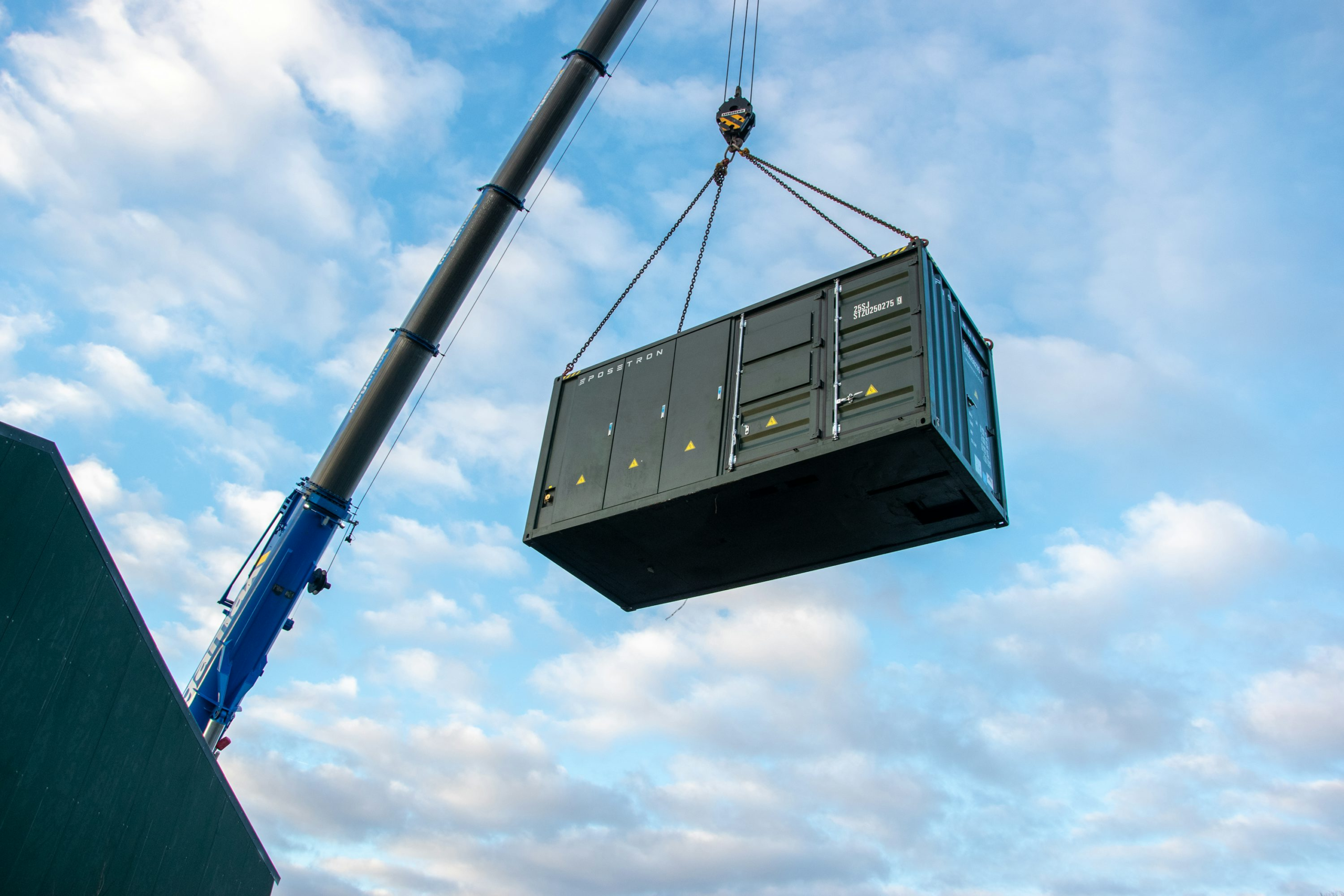
- Bocanova 2 is a 150 MW, nominal two-hour battery installation in Brazoria County, Texas, using Tesla Megapack 2 XL equipment.
- Commercial operation began on 17 September 2026, following the 150 MW Bocanova 1 development entering service in August 2025.
- MUFG Bank supplied a tax equity bridge loan and construction-to-term debt, while U.S. Bank provided tax equity; the offtaker remains unnamed.
Nightpeak Energy has confirmed financial close and commercial operation of its 150 MW Bocanova 2 battery energy storage installation in Brazoria County, Texas, completing a two-phase development with 300 MW of combined power capacity. The second battery entered commercial service on 17 September 2026, although the company announced the milestone publicly on 13 October.
The two-hour installation uses Tesla Megapack 2 XL equipment and is located near the Houston metropolitan area within the electricity system operated by the Electric Reliability Council of Texas (ERCOT). Bocanova 1, the first 150 MW phase, began operating in August 2025. The October announcement concerns the completed second phase and its financing, rather than a new third phase or the first commissioning of the original battery.
Nightpeak has described the completed site in terms of 300 MW of power capacity. That figure combines the 150 MW ratings of Bocanova 1 and Bocanova 2; it is not the rating of the new installation alone. The company has not supplied a combined site energy capacity in the announcement, so the two phases’ megawatt-hour figures should not be extrapolated into an unverified total.
Bocanova 2 has a nominal two-hour duration at its rated output, implying approximately 300 MWh of stored energy before usable limits and conversion losses are considered. Power capacity defines how quickly electricity can be delivered or absorbed, while energy capacity determines the period for which a discharge can continue. Neither figure establishes that the asset can supply electricity continuously without recharging.
Tesla’s Megapack 2 XL platform combines battery assemblies with systems needed to manage temperature, electrical conditions and operational monitoring. At site level, power conversion equipment connects the direct-current battery circuits with the alternating-current grid. Transformers, protection relays, switching equipment, metering and controls must work together to allow the installation to exchange electricity within its agreed network limits.
Battery management functions track conditions such as voltage, temperature and state of charge, which can restrict permissible charging and discharging. A site controller must coordinate the requested power output with available equipment and stored energy. The exact protection settings, connection voltage and network acceptance tests for Bocanova 2 have not been disclosed by Nightpeak, even though commercial operation confirms that relevant delivery requirements have been met.
The completed installation participates in ERCOT, which coordinates much of Texas’s electricity market and transmission system. A battery can import electricity during one period and export it later, creating flexibility in the timing of supply. It may also offer eligible services that require relatively rapid changes in power output, depending on the registration, qualifications and commercial arrangements attached to the facility.
Those functions have physical limits. Sustained discharge reduces the stored energy available for subsequent instructions, and recharging creates demand on the network. A two-hour battery cannot substitute directly for generation able to run for long periods while fuel remains available. Dispatch decisions must therefore consider future commitments, the available charging opportunity, equipment condition and market conditions.
Nightpeak attributes its development strategy partly to rising electricity requirements from data centres and other large loads. Those consumers can create concentrated demand in areas where sufficient generating and network capacity must be delivered. Bocanova provides a flexible resource within the regional market, but the announcement does not say it is physically dedicated to a particular data centre or that it creates additional primary electricity generation.
The second-phase project operates under a long-term offtake agreement with an investment-grade counterparty that has not been identified. No electricity price, contract duration or dispatch allocation has been published. A contractual buyer and the physical exchange of power with ERCOT are different arrangements, and the agreement cannot be used to infer the battery’s hourly operating schedule.
Financial arrangements include a tax equity bridge loan and a construction-to-term loan provided by MUFG Bank, alongside traditional tax equity supplied by U.S. Bank. The company did not disclose the financing amounts or total installed project cost. The reported financial close should not be conflated with a fresh construction start or an additional investment in generation equipment beyond the second battery phase.
Construction-to-term lending can span project delivery and continue into commercial operation under agreed provisions, while tax equity reflects the project’s applicable financing and tax arrangements. The commercial terms are private, so a particular repayment schedule or guaranteed return cannot be attributed to the transaction. The announcement establishes the financing parties and the project’s operating status, not a complete capital structure.
Nightpeak reports more than 1 GW of operating and de-risked capacity across its broader portfolio of storage, gas-fired generation and powered land developments. This combines different project types and delivery stages; it does not represent more than 1 GW of operating battery installations. The company remains backed by Energy Spectrum Partners VIII and is pursuing further flexible electricity infrastructure and large-load projects.
With Bocanova 2 in commercial service, the two phases together provide 300 MW of rated battery power in Brazoria County. Future performance can be assessed through operating availability, dispatch and fulfilment of the project’s contractual obligations. The confirmed dates remain August 2025 for Bocanova 1 and 17 September 2026 for Bocanova 2, followed by Nightpeak’s public announcement on 13 October.