IN Brief:
- Solarcentury Africa and Alensy Energy Solutions have confirmed an immediate construction programme for Globeleq’s 40 MWac/56 MWp Kafue solar project.
- The scheme contains two co-located 20 MWac photovoltaic plants and a 3.5 km electrical connection to Kafue Town Substation.
- The project has a 25-year ZESCO power purchase agreement and is targeting first generation in the third quarter of 2027.
Solarcentury Africa and Alensy Energy Solutions say construction of Globeleq’s 56 MWp Kafue solar project in Zambia’s Lusaka Province is due to begin immediately, following financial close in September. The companies have confirmed their delivery programme for the photovoltaic development, with electricity generation targeted for the third quarter of 2027.
The plant will be built near Kafue Town and will have a contracted alternating-current generating capacity of 40 MW. Solarcentury Africa and Alensy are the joint engineering, procurement and construction contractors, a role already identified in Globeleq’s 30 September financing announcement. Solarcentury Africa previously served as technical development partner; Globeleq remains sole owner and will oversee construction, asset management and operations and maintenance.
The October statement is therefore a construction programme update, not the first announcement of the EPC appointment. Globeleq reported financial close in a statement dated 30 September 2026 and had named the contractors then. The new communication says construction is starting immediately, but does not provide independent evidence that site works have commenced or any generating equipment has been commissioned.
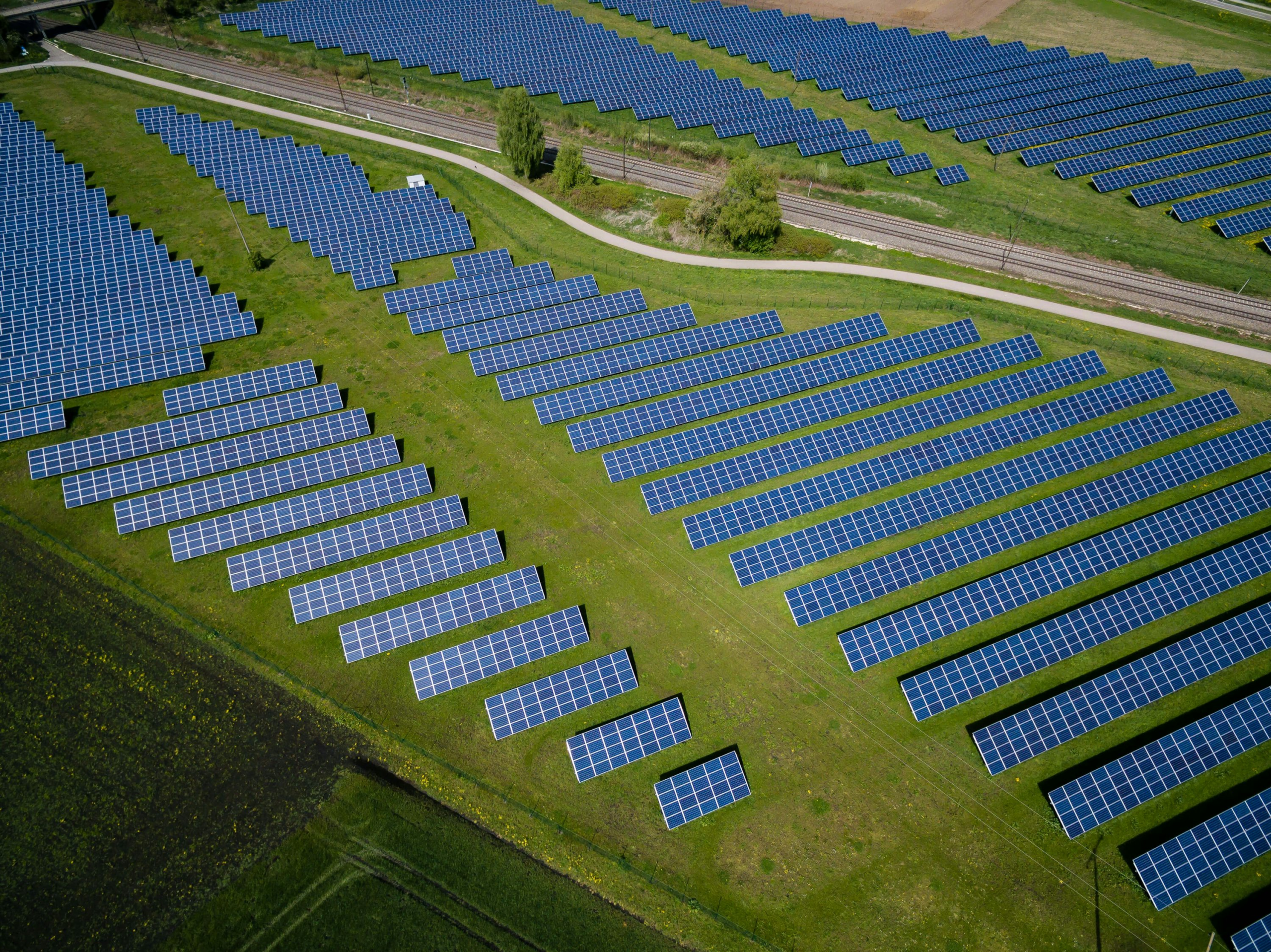
Kafue consists of two co-located photovoltaic plants, each with 20 MW of contracted alternating-current capacity. Their combined module rating is 56 MWp, while the two units together have 40 MWac of contracted output. The figures describe different parts of the design and should not be treated as contradictory estimates or added together as separate generating capacity.
Photovoltaic modules produce direct-current electricity, with the nominal MWp figure measured under standard test conditions. Inverters convert that electrical output into alternating current and are selected alongside transformers, cables and switchgear to meet the plant’s export arrangements. Solar irradiance, module temperature, conversion losses and the permitted grid export limit all affect the power ultimately available at the receiving network.
A higher DC module rating than AC export capacity can allow inverters to operate at useful output across a wider range of sunlight conditions. At times of strong irradiation, however, the equipment or connection may limit the alternating-current output below the aggregate module rating. Globeleq has not published the final inverter models, their combined ratings or a detailed electrical collection diagram.
The development includes a 3.5 km power line connecting the solar plant to Kafue Town Substation. That link is a defined infrastructure element rather than a general statement that grid access has been secured. Cable or line design, electrical clearances, protection coordination and connection equipment will have to comply with the relevant utility requirements before electricity can be exported.
The project’s precise connection voltage, route configuration and substation equipment schedule have not been disclosed in the October contractor statement. Nor has the EPC contract been broken down into separate civil, electrical and equipment supply packages. Its announced scope establishes overall responsibility for constructing the installation, but not the identity of every technology supplier or subcontractor.
Commissioning will require more than completing the photovoltaic arrays. Protection settings need to be checked against the network, and metering and control systems must record and manage export correctly. The transformers, inverters and collection system will also need integrated testing before the plant can deliver electricity under its connection agreement. The third-quarter 2027 generation target therefore remains dependent on electrical completion and acceptance.
Kafue was awarded through the GET FiT Zambia programme, which was developed with Zambia’s Ministry of Energy and Germany’s KfW development bank to support privately financed renewable generation. The completed plant will sell electricity to state-owned utility ZESCO under a 25-year power purchase agreement. That contractual route to market is separate from the EPC appointment and the physical connection to the substation.
Project financing totals $52.1 million in commitments from FMO and British International Investment, comprising $27.6 million from FMO and $24.5 million from BII. Standard Bank South Africa is acting as security trustee. These figures are financing commitments, not an independently reported price for Solarcentury Africa and Alensy’s construction contract, whose commercial value has not been disclosed.
Support from the Norwegian Agency for Development Cooperation will fund part of the connection works and certain upgrades at Kafue Town Substation. That support relates to the grid infrastructure required by the project, rather than additional photovoltaic generating capacity. The final scope and cost of individual substation upgrades are not established in the public announcements.
Globeleq and its contractors forecast electricity production equivalent to the requirements of approximately 38,000 households and potential avoidance of about 48,000 tonnes of carbon dioxide annually. Those are project estimates that will depend on operating output and the assumptions used for displacement, not results already measured from a working solar plant. Around 200 local jobs are anticipated at peak construction, with a smaller continuing operating workforce.
The combination of an identified EPC team, committed financing and a specified grid connection moves Kafue towards delivery, but none removes the remaining construction and commissioning risks. Site works, installation of modules and electrical equipment, completion of the 3.5 km line and network acceptance must all precede normal export. Solarcentury Africa and Alensy are working towards the announced third-quarter 2027 generation milestone.