IN Brief:
- Copenhagen Infrastructure Partners has acquired the 25% interest previously held by a Macquarie-led consortium.
- EDF power solutions now leads the development following its separate acquisition of RWE's 33.33% holding.
- The project received development consent in December 2025 for up to 79 turbines and 1,080MW of generating capacity.
Copenhagen Infrastructure Partners (CIP) has acquired a 25% interest in the proposed Five Estuaries Offshore Wind Farm, joining the consortium developing the consented 1,080MW project off the Essex and Suffolk coast. The acquisition follows the separate sale of RWE’s holding to EDF power solutions, establishing a revised ownership structure as the development progresses through detailed design and early procurement.
CIP has purchased the interest previously held by a Macquarie-led consortium through its fifth flagship fund, Copenhagen Infrastructure V. The transaction leaves EDF power solutions with 33.33%, CIP with 25%, ESB with 20.83% and Sumitomo Corporation with 20.83%. The consideration paid for the stake has not been disclosed.
The acquisition follows RWE’s completion of the sale of its 33.33% holding to EDF on 8 October. That transaction transferred responsibility for leading Five Estuaries to EDF power solutions UK and Ireland, with RWE agreeing to provide transitional support following its departure from the consortium.
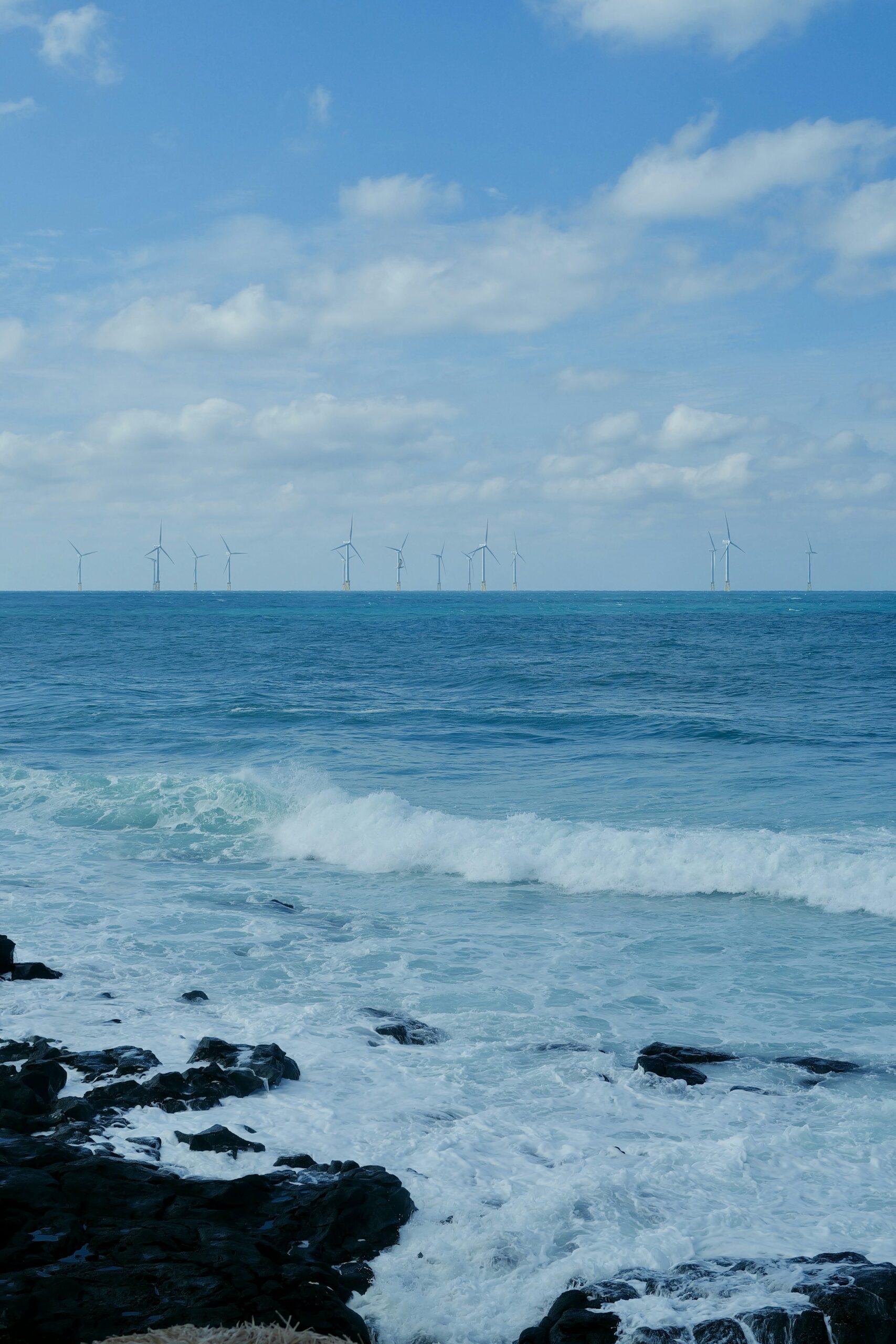
The two ownership changes come after the project secured development consent in December 2025. Five Estuaries is planned approximately 40km from the north Essex and south Suffolk coastline, covering two areas of the southern North Sea with a combined seabed extent of around 128 square kilometres.
The consent permits an offshore generating station with a maximum capacity of 1,080MW and up to 79 wind turbines. The approved development envelope allows turbine tip heights of up to 370 metres, although the final number, rating and configuration of the machines will depend on subsequent engineering and procurement decisions.
Five Estuaries is being developed as an extension project associated with the existing Galloper offshore wind farm. It will nevertheless require its own generating and electrical infrastructure, with turbine foundations, subsea array cables, offshore substations and transmission connections forming part of the authorised development.
The electrical collection system will carry power generated by individual turbines through subsea cables to offshore substations. These installations provide switching, protection and voltage transformation functions before electricity is transmitted towards shore through the export cable system.
Offshore collection networks must be designed around the arrangement and electrical characteristics of the selected turbines. Cable ratings need to accommodate the expected power flows, while the configuration of the collection circuits and substations must allow faults to be detected and isolated. The final system design also determines how generation from multiple turbines is combined before export.
Subsea cable installation introduces further engineering requirements because cable routes must account for seabed conditions, other infrastructure and the protection needed against mechanical damage. Installation methods and burial requirements will depend on the detailed route and environmental conditions, with cable integrity remaining important throughout the operational life of the project.
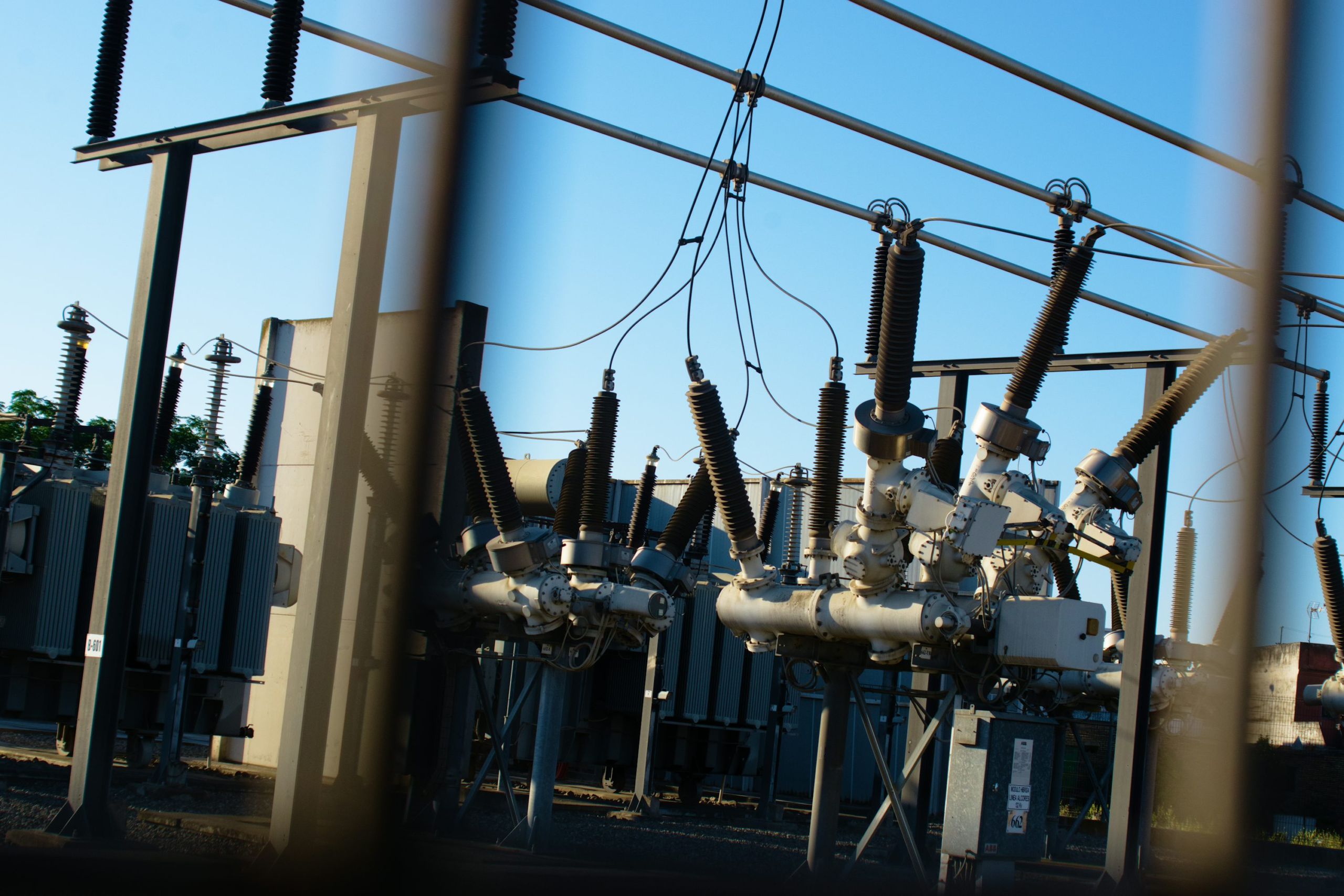
The authorised development includes offshore export cables, underground onshore cables, transition and jointing infrastructure, an onshore substation and facilities needed for connection to the National Grid system. The connection arrangement must accommodate the project’s maximum permitted export capacity while satisfying the protection, voltage-control and operational requirements imposed at the transmission interface.
That infrastructure represents a substantial element of the development programme alongside turbine procurement and offshore construction. Electrical equipment must be specified and ordered in coordination with the turbine configuration, offshore substation design and construction sequence, while the connection infrastructure must be available for testing before generation can be exported commercially.
The project’s consent establishes the parameters within which these arrangements can be developed, but it does not confirm every final equipment selection or construction package. Developers must continue to satisfy the conditions attached to the consent and complete the technical and commercial work required before a final investment decision can be taken.
Since consent was granted, the consortium has continued design development, begun early procurement activities and maintained engagement with landowners, communities and other stakeholders. These activities support the transition towards construction without establishing that full construction funding has been committed or that offshore installation works have begun.
The addition of CIP brings another established infrastructure investor into the project at this stage. Its participation through Copenhagen Infrastructure V provides exposure to a large UK renewable generation development for which the principal planning approval has been secured, while significant capital expenditure and delivery decisions remain ahead.
EDF’s assumption of project leadership also changes the organisational arrangements under which those decisions will be taken. The company is now responsible for directing the development on behalf of the shareholders, with the consortium retaining ESB and Sumitomo Corporation alongside its two new ownership arrangements.
Once operational, Five Estuaries is expected to generate enough electricity over a year to meet the equivalent annual consumption of approximately one million average UK households. This is an energy-output comparison rather than a claim that the wind farm will supply that number of homes continuously, since actual generation will vary with wind conditions and equipment availability.
The distinction between installed generating capacity and delivered electricity is particularly relevant to the project’s electrical infrastructure. Turbine output will vary across operating conditions, but cables, transformers and other equipment must still be designed to accommodate the maximum electrical duties arising from the chosen generating configuration and the requirements of the network connection.
Neither CIP nor EDF has announced a final investment decision or construction start date alongside the ownership changes. The next development milestones will concern the completion of detailed design, procurement and commercial arrangements needed to advance the consented wind farm towards construction.