IN Brief:
- INTILION will deliver a 98MWh battery storage system at Jesow in Mecklenburg-Vorpommern.
- Its scope includes the battery containers, transformer, switchgear, and inverter equipment.
- The battery and Kloddram wind farm are being developed in parallel around the same grid location.
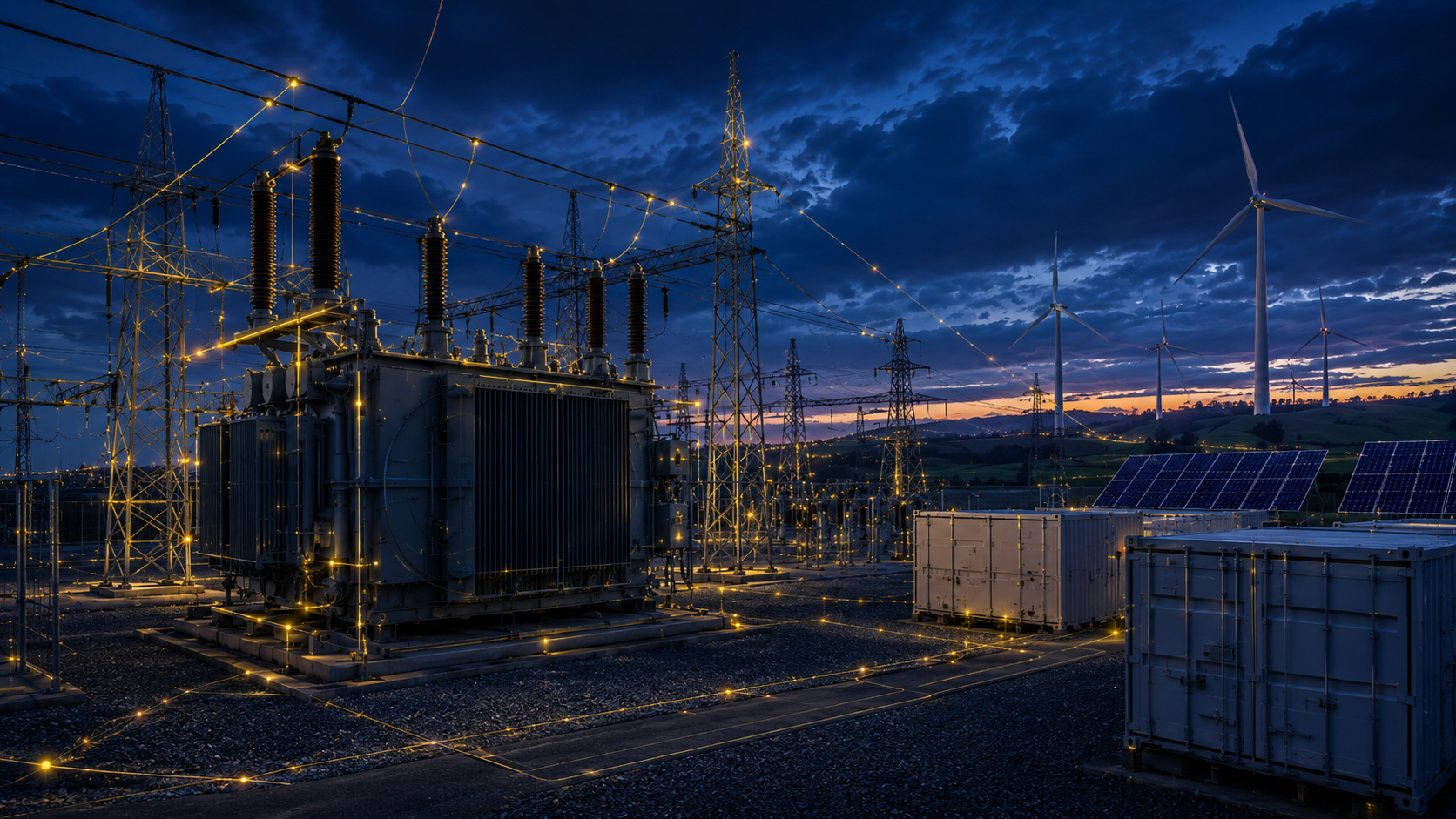
INTILION will supply, install, and commission a 98MWh battery energy storage system beside the Kloddram wind farm at Jesow in Mecklenburg-Vorpommern, Germany, with the battery designed to use the same grid location more effectively as the wind project is completed.
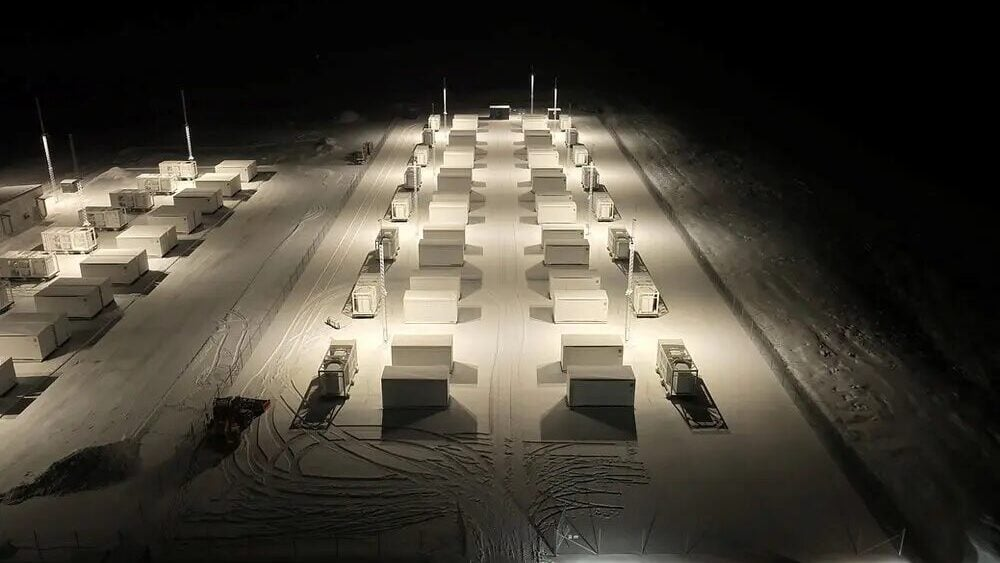
The system has an apparent power rating of 45MVA and will use INTILION’s scalecube container platform. The supplier’s scope includes the battery containers, transformer, switchgear, and inverter, covering the main electrical equipment needed between the battery modules and the connection point. Construction of the storage system and the wind farm will proceed in parallel.
The 98MWh figure describes stored energy, while 45MVA describes the apparent power capability of the electrical equipment. Those values measure different properties and cannot be converted directly into a discharge duration without the active power operating limit. Usable duration will also depend on inverter settings, efficiency losses, the permitted state of charge range, and any operating reserve retained by the controller.
The battery will operate in front of the meter rather than serving a single industrial or commercial load. Its dispatch can therefore respond to market and network requirements, subject to the limits of the shared connection. At a colocated wind site, charging and discharging can also be coordinated with turbine output so the electrical infrastructure is used at times when wind production alone would not fully load it.
The inverter is central to that arrangement because the battery stores direct current energy while the network operates in alternating current. Power electronics convert between the two and regulate active and reactive power at the connection point. The transformer then adjusts the voltage for export, while switchgear provides isolation and fault interruption during both normal operation and electrical faults.
Sharing a grid location does not increase the rating of the cable, transformer, or substation already serving the site. The controller must keep the combined wind and battery operating point within the permitted import and export envelope. High wind output may therefore restrict battery discharge, while periods of lower generation can create more headroom for export from storage.
The same control system can allow the battery to charge when network conditions and market signals support it. That energy can come from the colocated wind farm or from the grid, depending on the final connection and commercial arrangements. The important engineering constraint is the electrical boundary at the site: software can schedule flows through the connection, but it cannot exceed the thermal, voltage, protection, or contractual limits imposed on that connection.
Container construction makes the storage plant modular, but the electrical system still has to operate as one coordinated installation. Battery modules need thermal management, monitoring, isolation, and protection, while the inverter and transformer must respond correctly to faults and voltage changes. Fire detection and mitigation, control communications, auxiliary supplies, and emergency shutdown functions also have to be integrated before the site can enter commercial service.
Parallel delivery with the Kloddram wind farm gives the project team an opportunity to coordinate those interfaces during construction rather than add storage after the generation plant is complete. Cable routes, equipment locations, protection schemes, metering, supervisory controls, and commissioning sequences can be developed around the combined site from the outset.
Testing will have to cover more than whether the battery can charge and discharge. Protection systems must isolate faults without disconnecting healthy equipment unnecessarily, metering must distinguish imports and exports accurately, and the plant controller must enforce connection limits as wind output changes. Reactive power behaviour and voltage response will also have to remain within the requirements set for the network interface.
Battery storage can reduce curtailment or shift renewable output only where the connection and operating strategy allow it. If the local network is constrained for many consecutive hours, a 98MWh battery may fill before the constraint clears. Likewise, a battery that has discharged for market or system services must later recharge, creating another period of demand on the same electrical infrastructure.
The Jesow project therefore depends on coordination between stored energy, inverter capability, wind generation, and the connection limit rather than on storage capacity alone. INTILION’s contract covers the principal equipment required to manage that interface, with the battery and wind farm now moving through construction together before integrated commissioning.