IN Brief:
- All 76 Vestas 15MW turbines have now been installed at Poland’s first offshore wind farm.
- Individual turbines must complete commissioning and a 240-hour reliability test before operational handover.
- Baltic Power is expected to generate around 4TWh annually once the project reaches full operation.
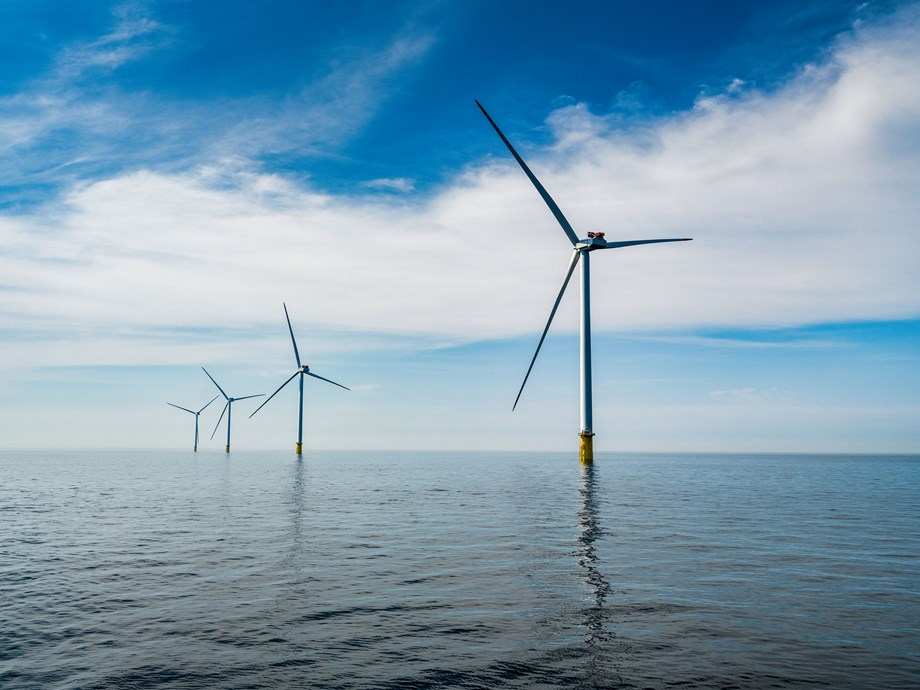
ORLEN and Northland Power have completed installation of all 76 turbines at Baltic Power, moving Poland’s first offshore wind farm into its final commissioning and testing phase before full operation.
The installation campaign has taken less than two years and involved around 7,000 people and 110 vessels. Baltic Power uses 76 Vestas 15MW turbines, giving the machines a combined rated capacity of 1.14GW within a project that ORLEN describes as having capacity of up to 1.2GW. The developers expect the wind farm to generate around 4TWh a year once fully operational, equivalent to about 3% of current Polish electricity demand.
Commissioning is taking place turbine by turbine rather than waiting for the whole array to become available at once. Each machine must complete a series of checks, including a 240-hour reliability test, before responsibility passes to the operations team. Turbines that have completed the required tests can be integrated sequentially into the Polish power system while work continues elsewhere on the site.
First power reached the national grid in July, when 54 turbines had been installed. By then, all export and array cables had been laid, both offshore substations were in place, and the onshore electrical infrastructure at Choczewo was complete. That sequence allowed generating units to begin energisation and testing before the final turbine installation campaign had finished.
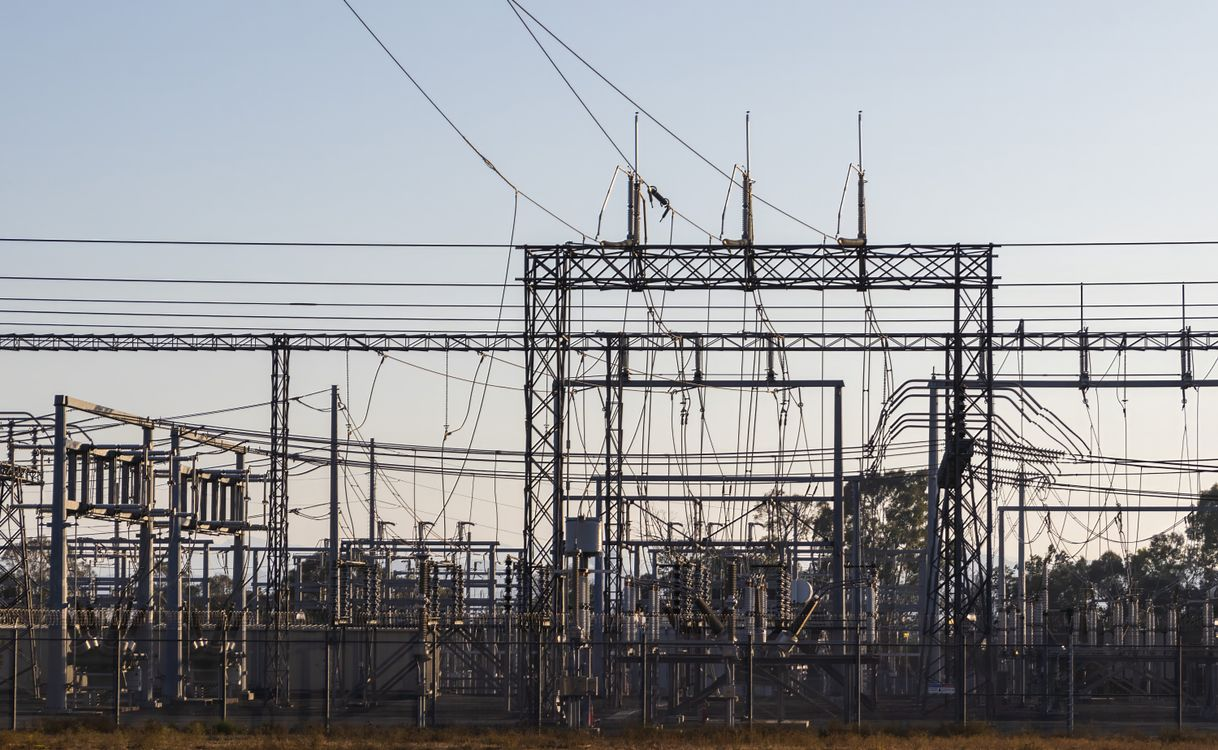
The electrical path from turbine to grid is already fully defined. Array cables collect power from the turbines and feed two offshore substations, where transformers raise the voltage to 230kV. Four export cable circuits then carry electricity ashore to the Choczewo substation, where the voltage is raised again to 400kV before connection to the nearby transmission network operated by PSE. The project’s cable system extends for more than 350km.
Raising the voltage before export reduces current for a given level of transmitted power, which in turn limits resistive losses and conductor heating over the offshore cable route. The onshore transformation to 400kV then matches the transmission level used for the final grid interface. The offshore and onshore substations therefore form part of the generating plant’s electrical conversion chain rather than serving only as connection points.
The 240-hour reliability test serves a different purpose from initial functional checks. A turbine can complete individual electrical and mechanical tests without demonstrating that it will remain stable through an extended period of operation. Running for ten days gives the commissioning team time to observe faults or repeated trips that may only appear after prolonged operation, changing weather conditions, or repeated control actions.
Commissioning also has to prove the interaction between turbines, array circuits, substations, export cables, protection systems, and grid controls. A fault or poorly coordinated setting in one part of that chain can disconnect more capacity than intended, so protection and control settings have to operate selectively as additional turbines enter service. The staged process allows those interfaces to be tested in manageable sections before the whole wind farm operates at full availability.
Protection coordination remains important as more turbines are accepted. A fault on an array circuit should be cleared without unnecessarily disconnecting healthy sections, while transformer and cable protection must respond within the limits set for each component. Those settings are tested as the electrical system moves from construction energisation into routine operation.
Output will still vary with wind conditions after commissioning. The 1.14GW combined turbine rating describes the maximum active power available from the installed machines under suitable conditions, not a constant export level. The transmission connection has to accommodate periods of high output while system operation also accounts for lower production when wind speeds fall or turbines are unavailable.
Baltic Power’s service base in Łeba has been operating since spring 2025 and currently supports construction activity. Once the wind farm is fully operational, the base will handle maintenance and marine coordination for an expected operating life of around 30 years. That shifts the project from an installation campaign dominated by heavy offshore logistics towards routine inspection, fault response, planned servicing, and vessel coordination.
All 76 turbines are now installed, but the remaining programme still includes turbine acceptance, certification, final permitting, and completion of the commissioning sequence. The project can already export electricity, yet commercial operation depends on proving that the complete electrical and mechanical system performs reliably enough for sustained service rather than simply demonstrating that individual turbines can generate.