IN Brief:
- Montrose Port is SSE's preferred operations and maintenance base for the planned 1.4GW Berwick Bank B wind farm.
- Around 100 permanent technicians and engineers will work from the South Harbour hub, with another 30 roles during base construction.
- Berwick Bank B has secured a 20-year CfD for 1,380MW and is progressing towards a final investment decision expected in 2027.
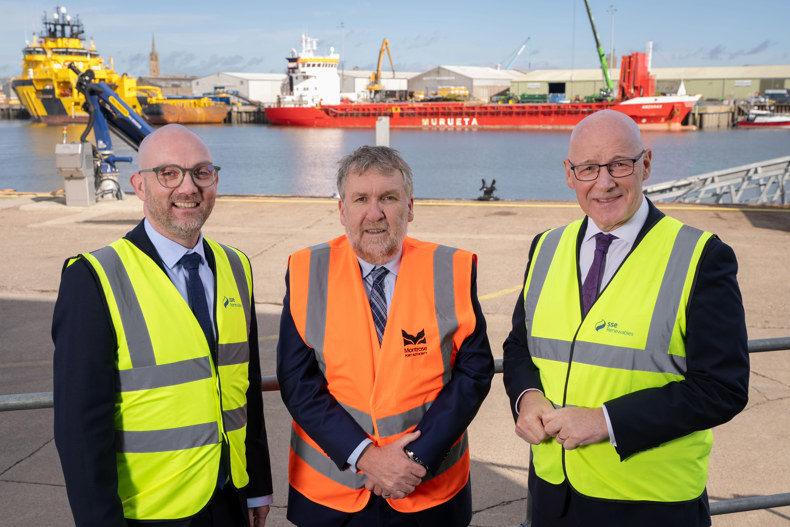
SSE has selected Montrose Port as the preferred operations and maintenance base for its planned 1.4GW Berwick Bank B offshore wind farm, establishing the location from which technicians and engineers would support the project through more than 35 years of expected operation.
The base will be located at Montrose Port’s South Harbour and is expected to support around 100 permanent jobs. SSE says those roles will include technicians and engineers responsible for day-to-day operation of the wind farm, while around 30 further jobs are expected during redevelopment of the facilities needed for the new hub.
Rather than constructing an entirely separate complex, the programme will repurpose existing Montrose Port Authority offices. That gives Berwick Bank B access to a port already used by SSE for the 1.1GW Seagreen offshore wind farm and places the project within an established offshore operations cluster rather than creating a new support location from scratch.
An operations base is a relatively small part of the capital programme for a large wind farm, but it becomes one of its longest-lived pieces of infrastructure once generation starts. Turbines, array cables, offshore electrical equipment, export systems, and control platforms require planned inspection and maintenance, while faults can demand rapid mobilisation of technicians, parts, and vessels if lost generation is to be limited.
Port selection therefore involves more than distance from the turbines. An operational base needs reliable marine access, crew facilities, berthing, warehouses, component handling, communications, and enough local engineering capability to support planned and unplanned work throughout the year. Weather conditions and vessel availability can determine whether maintenance crews reach offshore equipment when required.
Berwick Bank B is the first commercially supported phase of SSE’s wider Berwick Bank development in the outer Firth of Forth. The B phase has secured a Contract for Difference covering 1,380MW at £89.49/MWh in 2024 prices, indexed for inflation, for a 20-year period. The project is targeting a final investment decision in 2027.
The CfD provides a route to market but does not itself commit the wind farm to construction. SSE still has to progress the project through its investment criteria, procurement, detailed engineering, construction planning, and the remaining commercial steps required before capital expenditure moves decisively into delivery.
Operational planning nevertheless has to begin well before that point. Offshore wind projects require recruitment and training, vessel strategies, spare parts, digital monitoring systems, maintenance procedures, and facilities to be ready before commercial operation. Leaving those arrangements until turbines are already installed would create a gap between commissioning the generating assets and having the organisation in place to maintain them.
SSE’s existing relationship with Montrose through Seagreen reduces some of that setup work. The port is also expected to support Inch Cape, creating the prospect of several offshore wind farms using the same location for long-term operations. That can give ports a more stable workload than construction campaigns alone, which tend to require intense use of space and heavy equipment for a relatively limited period.
Operations and maintenance creates a different demand profile. It uses less laydown space than turbine installation but requires technicians, crew movements, marine coordination, warehousing, inspection, parts management, and engineering support for decades. A port serving several operational projects can therefore develop a permanent offshore energy workforce rather than depending primarily on individual build campaigns.
SSE says the number of Berwick Bank operational roles based at Montrose could eventually approach 300 if the project’s A and C phases also secure future CfDs and reach final investment decisions. Those phases are not yet committed and should not be treated as part of the 1.4GW B project, but the estimate shows how the operating footprint could grow if the wider development proceeds.
The full Berwick Bank development has potential capacity of 4.1GW across three phases. Scottish Enterprise says that, if completed at that scale, the project could generate electricity equivalent to the annual demand of more than six million UK homes. The immediate programme, however, remains Berwick Bank B and the engineering and commercial steps required to turn its CfD into an operating wind farm.
The Montrose decision settles one part of that future operating architecture. Construction will determine whether 1.4GW of generating capacity reaches the grid; the South Harbour base will then be expected to help keep those assets available through more than three decades of offshore operation.