IN Brief:
- Provisional safeguards cover grain-oriented electrical steel as well as laminations, cores, and cores incorporated in transformers.
- The Commission says import pressure and global overcapacity threaten EU production of a material critical to power transformers.
- Definitive measures would require qualified-majority backing from EU member states after the safeguard investigation concludes.
The European Commission has imposed provisional safeguard measures on imports of grain-oriented electrical steel, extending the scope beyond raw GOES products to laminations, cores and cores already incorporated in transformers.
The measures, introduced on 18 September, use tariff-rate quotas coupled with price thresholds. They follow a safeguard investigation opened in March after the Commission identified rising import pressure on European producers, linked in its assessment to global overcapacity and the closure of traditional export markets.
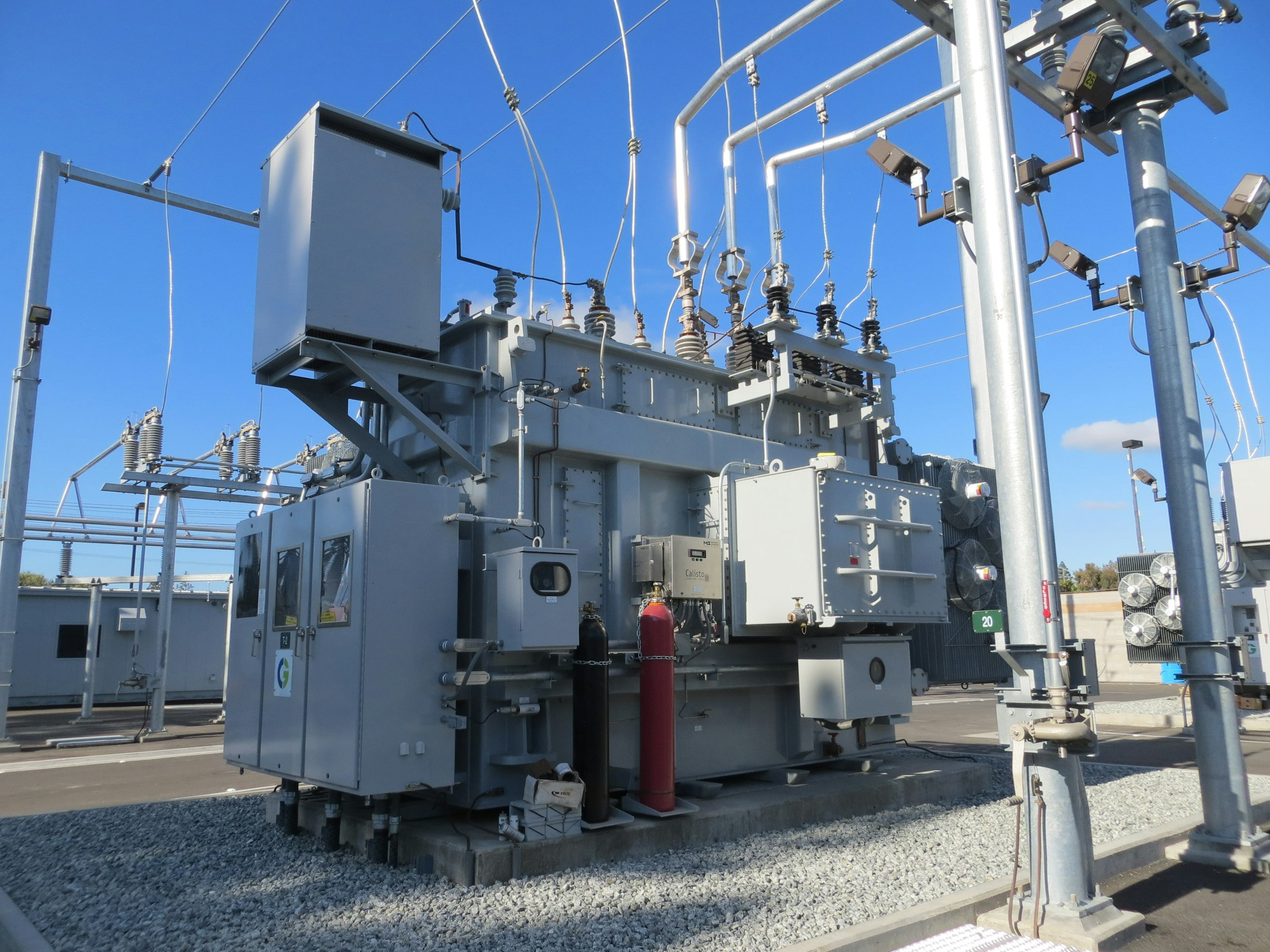
GOES occupies a narrow but critical position in the electrical equipment supply chain. Its magnetic properties make it particularly suited to transformer cores, where the material is used to guide magnetic flux efficiently and limit energy losses. Large power transformers, distribution transformers and other high-efficiency magnetic equipment therefore depend on grades of electrical steel that meet demanding specifications for magnetic performance, thickness, coating and processing quality.
The provisional action reaches further down the manufacturing chain than sheet steel alone. Laminations and cores made from GOES are included, as are cores already incorporated in transformers. The scope is intended to prevent protection applied to steel sheet from simply shifting imports towards semi-finished or finished transformer components.
The current action does not settle the investigation. Safeguards are distinct from conventional anti-dumping measures because they respond to a surge in imports that causes or threatens serious injury, rather than requiring a finding that goods have been dumped at unfair prices. The Commission says the investigation would normally be completed within nine months, although the timetable can be extended to 11 months in exceptional circumstances.
Definitive measures would also require political support. If the Commission concludes that longer-term safeguards are justified, a proposal must go to the Safeguard Committee of EU member-state representatives. A qualified majority would require at least 15 member states representing 65% of the EU population.
The provisional action comes on top of an existing trade-defence framework for GOES. Imports from China, Japan, South Korea, Russia and the United States are already subject to anti-dumping measures linked to minimum import prices. When the safeguard investigation was opened in March, the Commission said market prices had moved above those minimum levels, reducing the practical relief provided by the existing mechanism.
European network investment is increasing demand for transformers at the same time as manufacturers manage long production cycles and a concentrated supply base for specialist materials and components. Renewable connections, interconnectors, transmission reinforcement, distribution upgrades and replacement programmes all depend on new transformer capacity, while utilities are also seeking lower-loss designs to reduce lifetime energy costs.
Transformer procurement is not determined by GOES alone. Copper or aluminium conductors, insulation systems, bushings, tap changers, cooling equipment, tanks, protection equipment, testing capacity and factory throughput all affect delivery. The core remains fundamental to transformer performance, and electrical steel quality influences no-load losses, acoustic behaviour and the efficiency achievable by a completed unit.
Measures that alter the cost or availability of imported GOES can therefore feed into purchasing decisions by European core processors and transformer manufacturers. The effect will depend on quota volumes, price thresholds, domestic production capacity, existing contracts and how suppliers respond. Greater protection for European steelmaking capacity may strengthen local supply resilience, while tighter or more expensive imports could increase input pressure for downstream manufacturers if equivalent grades are not available at the required volume.
Extending the scope through laminations and finished cores also closes an obvious route around a steel-only measure. Core processing adds value beyond the raw sheet, and importing that higher-value component could otherwise leave domestic steel producers protected while shifting more transformer manufacturing activity outside the EU.
The scale of planned grid expansion makes the issue more than a conventional metals-market dispute. Offshore wind connections, high-voltage direct-current schemes, renewable-heavy distribution networks and industrial electrification all require transformation capacity at multiple voltage levels. Replacement of ageing equipment adds a parallel demand stream that cannot simply be deferred indefinitely.
The resulting procurement challenge lies in the resilience of an interdependent equipment chain. Steel mills must supply suitable grades, core processors must cut and assemble them accurately, transformer plants need sufficient production and test capacity, and network projects must coordinate transport, civil works, installation and energisation around equipment with long lead times.
The Commission’s provisional safeguards will remain in place while the investigation continues. The next decision will determine whether the temporary controls develop into definitive measures and on what terms. Transformer buyers and manufacturers will meanwhile have to assess how the quotas and price thresholds interact with existing contracts, future tenders and planned grid-delivery schedules.